
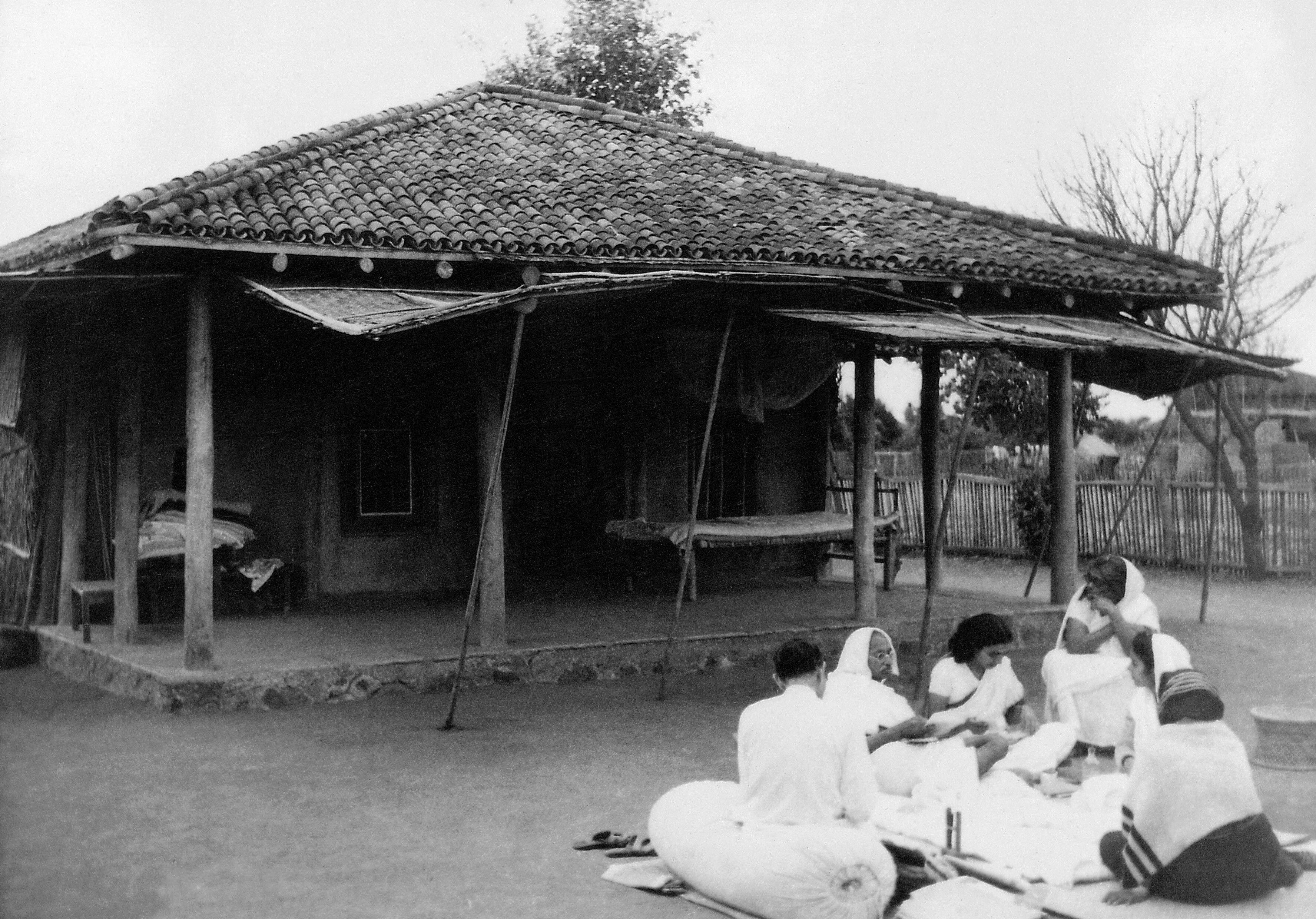
Sevagram Ashram
Gandhi founded Sevagram Ashram in 1936 in Segaon Village, Maharashtra, India. This was Gandhi’s final experiment with utopia, and his home from 1936 until his death in 1948.
Life at Sevagram Ashram with Gandhi
In the early 1930s Gandhi decided to focus on promoting the abolition of untouchability, and determined that the best way to address the inequality and poverty of the masses was to live in a Dalit-majority village and work to improve its sanitation and revive its cottage industries. In 1936, Gandhi settled in a remote village named Segaon (near Wardha, Maharashtra, India), which was renamed Sevagram Ashram, meaning “village of service.”
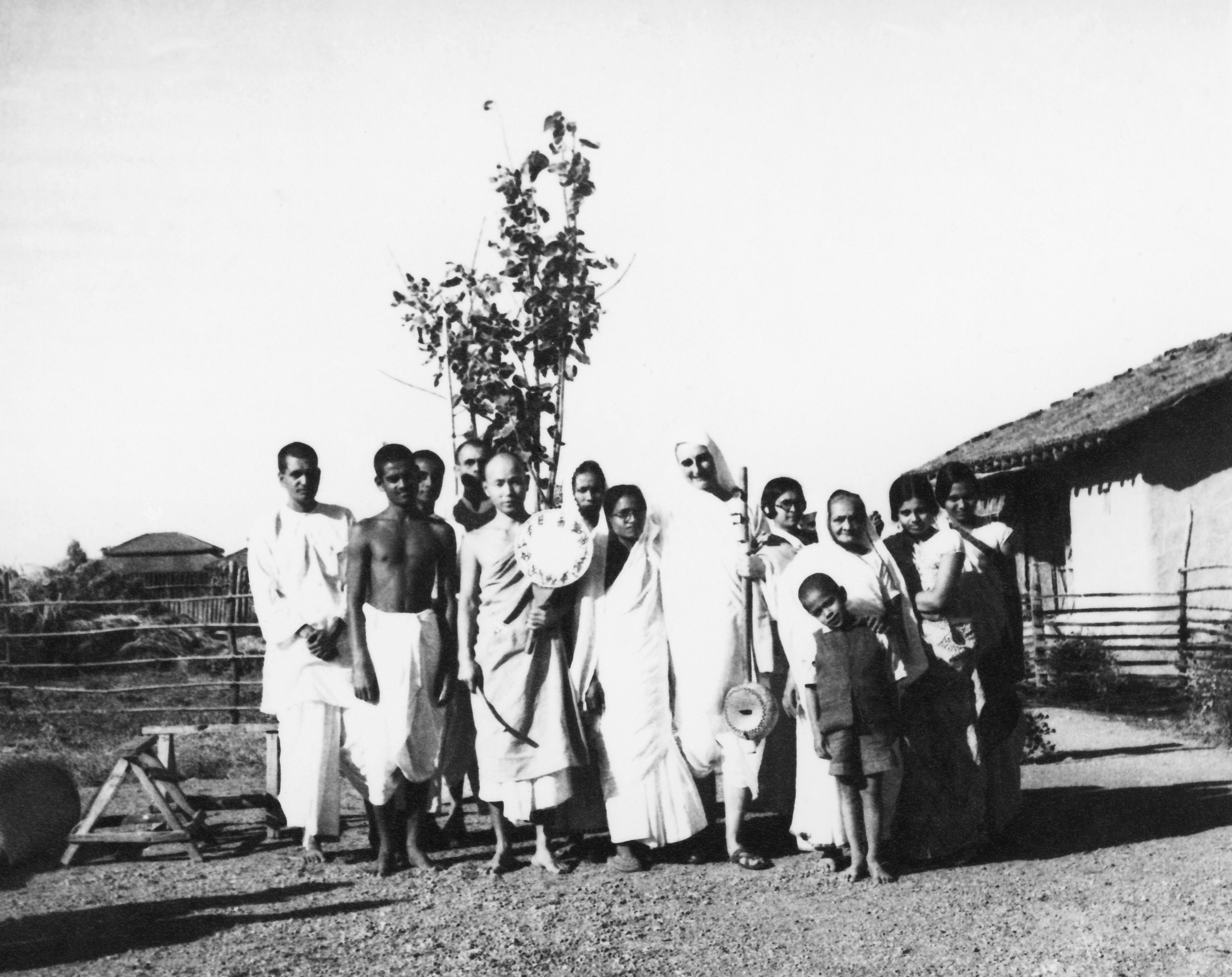
Gandhi’s philosophy of universal wellbeing (sarvodaya) continued to evolve at Sevagram Ashram, where he added selfless service to his prior emphasis on voluntary suffering and sacrifice for the common good. Everyone joining Sevagram Ashram was expected to undertake service work in the village such as shoveling excrement, growing vegetables, and spinning. A subset of residents who were young and female were also expected to engage in selfless service through participation in Gandhi’s controversial experiments with celibate sexuality. Eventually, Gandhi also called upon his coresidents to engage in selfless service for the nation of India, emphasizing willingness to sacrifice one’s own life as the highest form of service.
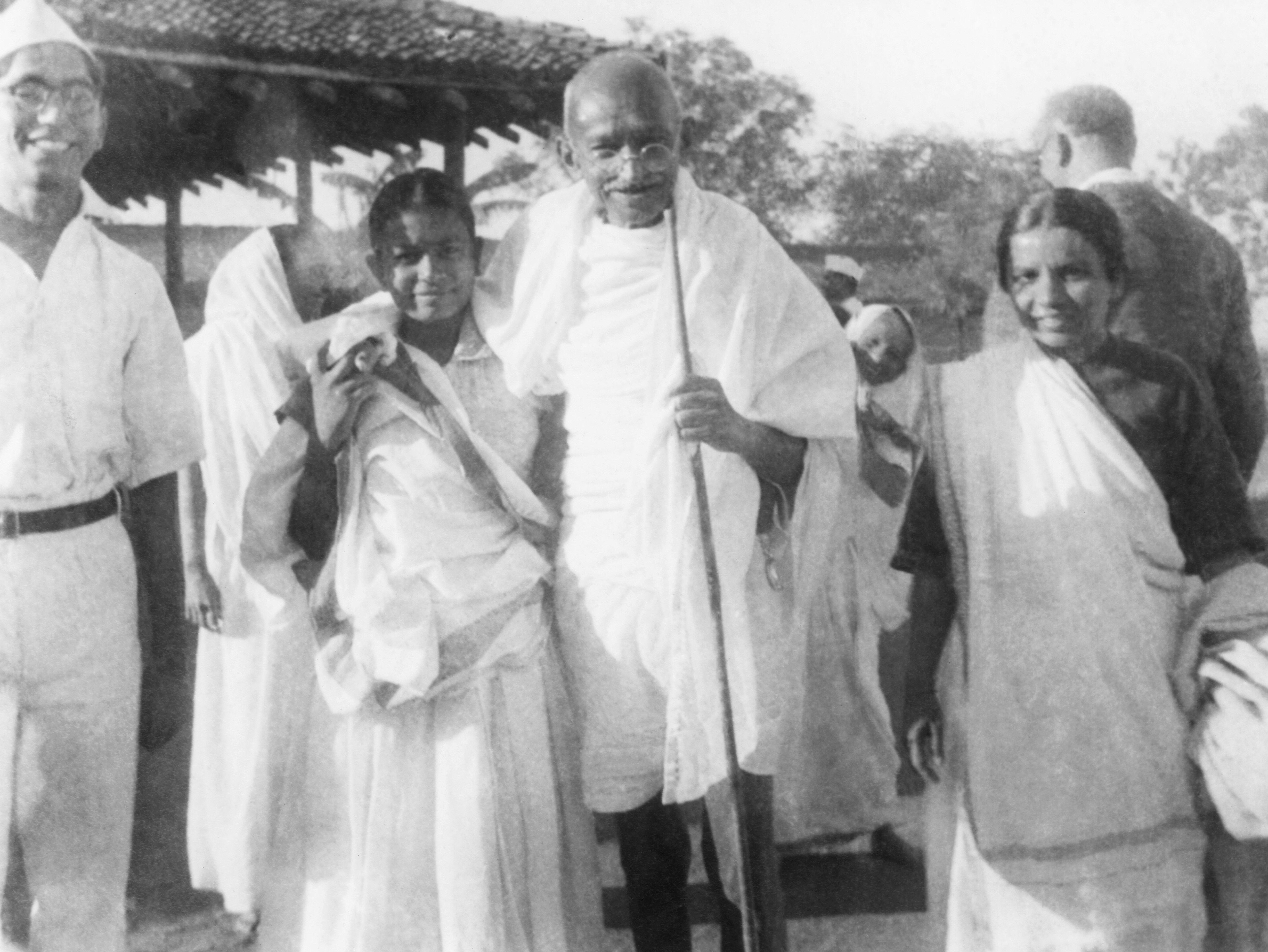
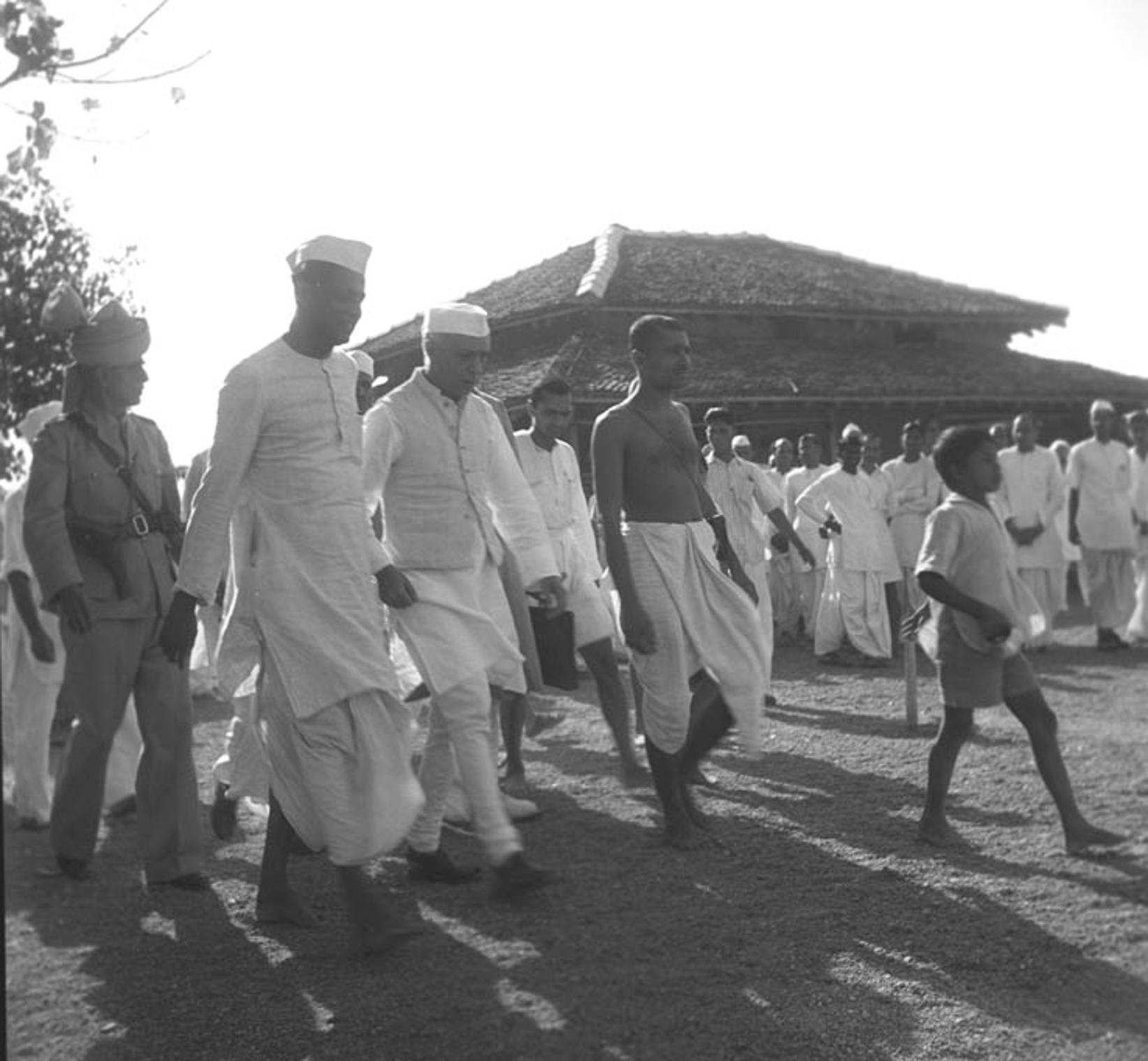
Although Gandhi had gone into semi-retirement at Sevagram Ashram, politicians streamed in and out of Sevagram Ashram in the decade leading up to India’s independence in 1947. Jawaharlal Nehru (who would later become the first Prime Minister of independent India) and many other prominent politicians came here to consult with Gandhi, pulling him out of semi-retirement and back into the anticolonial struggle. In 1942, Gandhi and the Indian National Congress launched the Quit India campaign from Sevagram Ashram, a nationwide anticolonial campaign for India’s independence.
Gandhi’s coresidents at Sevagram Ashram became his co-leaders in the Quit India campaign. They helped to train and organize groups in various regions of India for the nonviolent campaign for India’s independence. Some of them took turns leading the movement after Gandhi was arrested, and many of them were also arrested and imprisoned. Gandhi emphasized the motto “do or die” to his coresidents, and eventually to the public at large, asking them to attain independence nonviolently or be willing to die trying. Some of Gandhi’s coresidents made the ultimate sacrifice, including his wife Kasturba Gandhi and his secretary Mahadev Desai, both of whom died in prison in 1944.
Sevagram Ashram after Gandhi
Today, Sevagram Ashram is unique as the only intentional community founded by Gandhi that continues to operate as a residential community, with approximately two dozen permanent residents who continue to practice many elements of the daily routine that were emphasized in Gandhi’s time, including farming, spinning, communal cooking and dining, and collective prayer. Sevagram Ashram is simultaneously being preserved as a heritage site that is open to the public and managed under the auspices of the Sevagram Ashram Pratishthan trust.
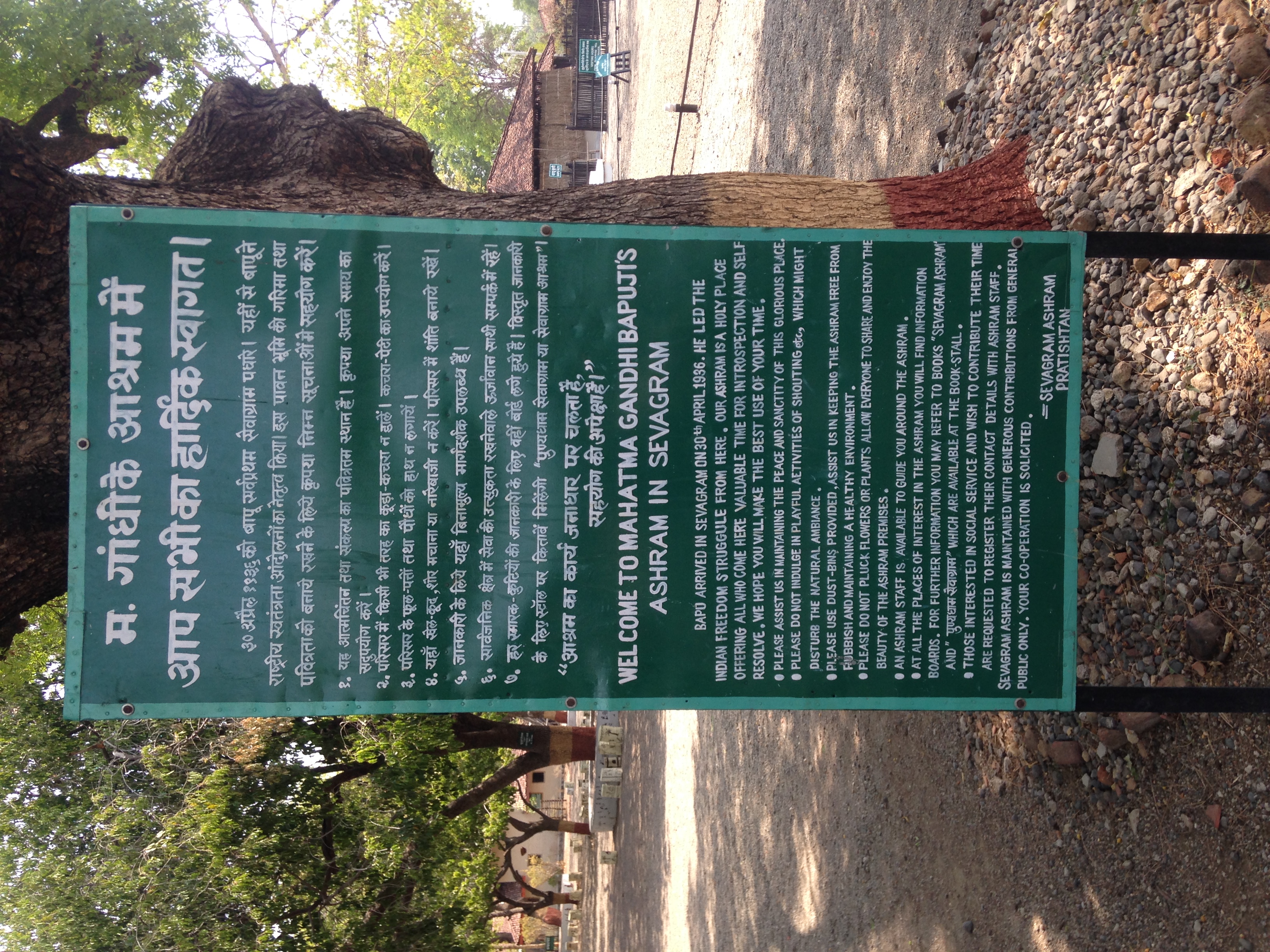
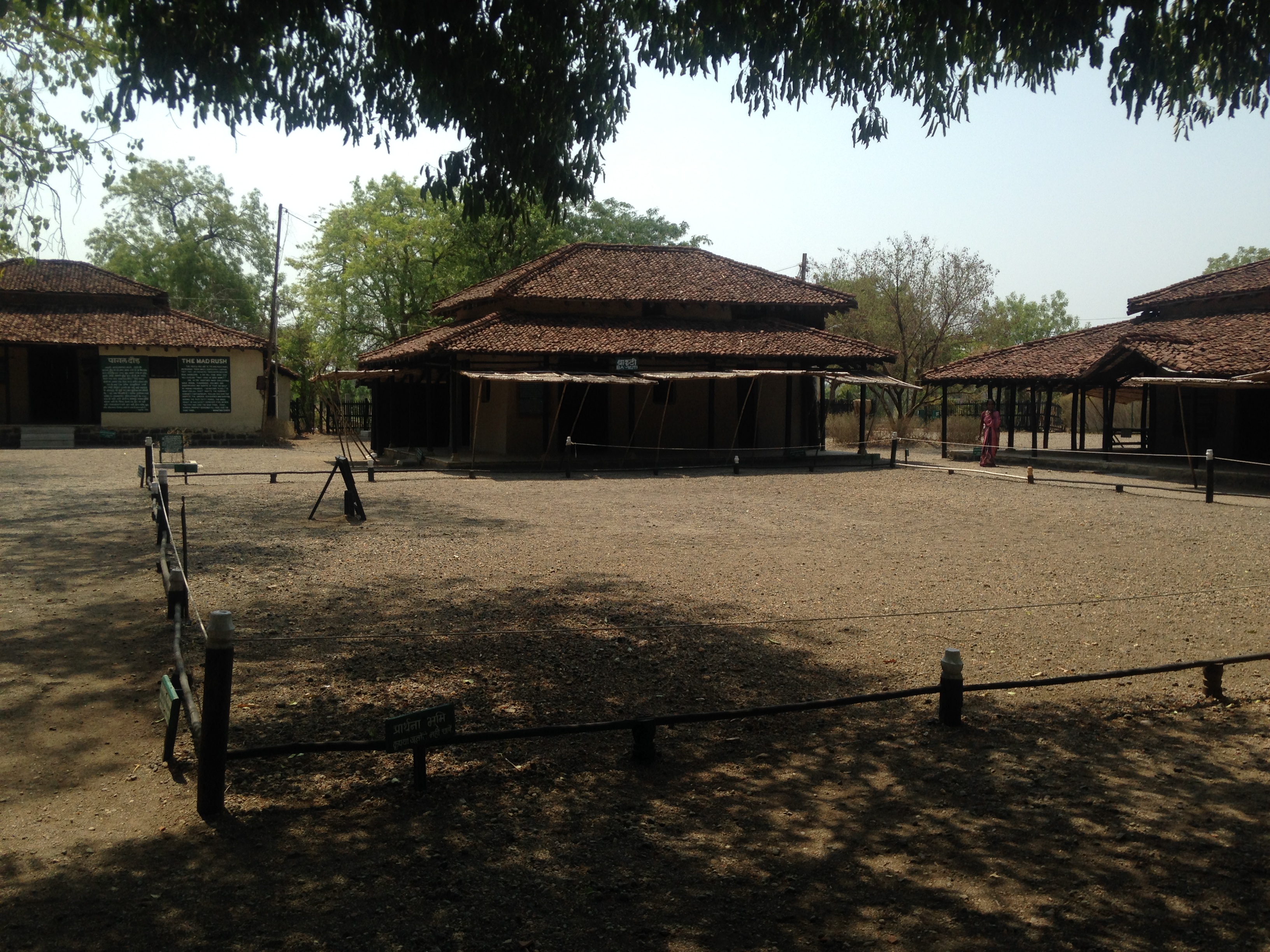
Upon entering Sevagram Ashram one is greeted by a sign placed next to a large shade tree, titled “Welcome to Mahatma Gandhi Bapuji’s Ashram in Sevagram,” which states: “Bapu [Gandhi] arrived in Sevagram on 30th April 1936. He led the Indian freedom struggle from here. Our ashram is a holy place offering all who come here valuable time for introspection and self-resolve. We hope you will make the best use of your time.” The sign also reminds visitors to help maintain the peace and sanctity of the space, to be quiet while exploring the grounds, and to be tidy.
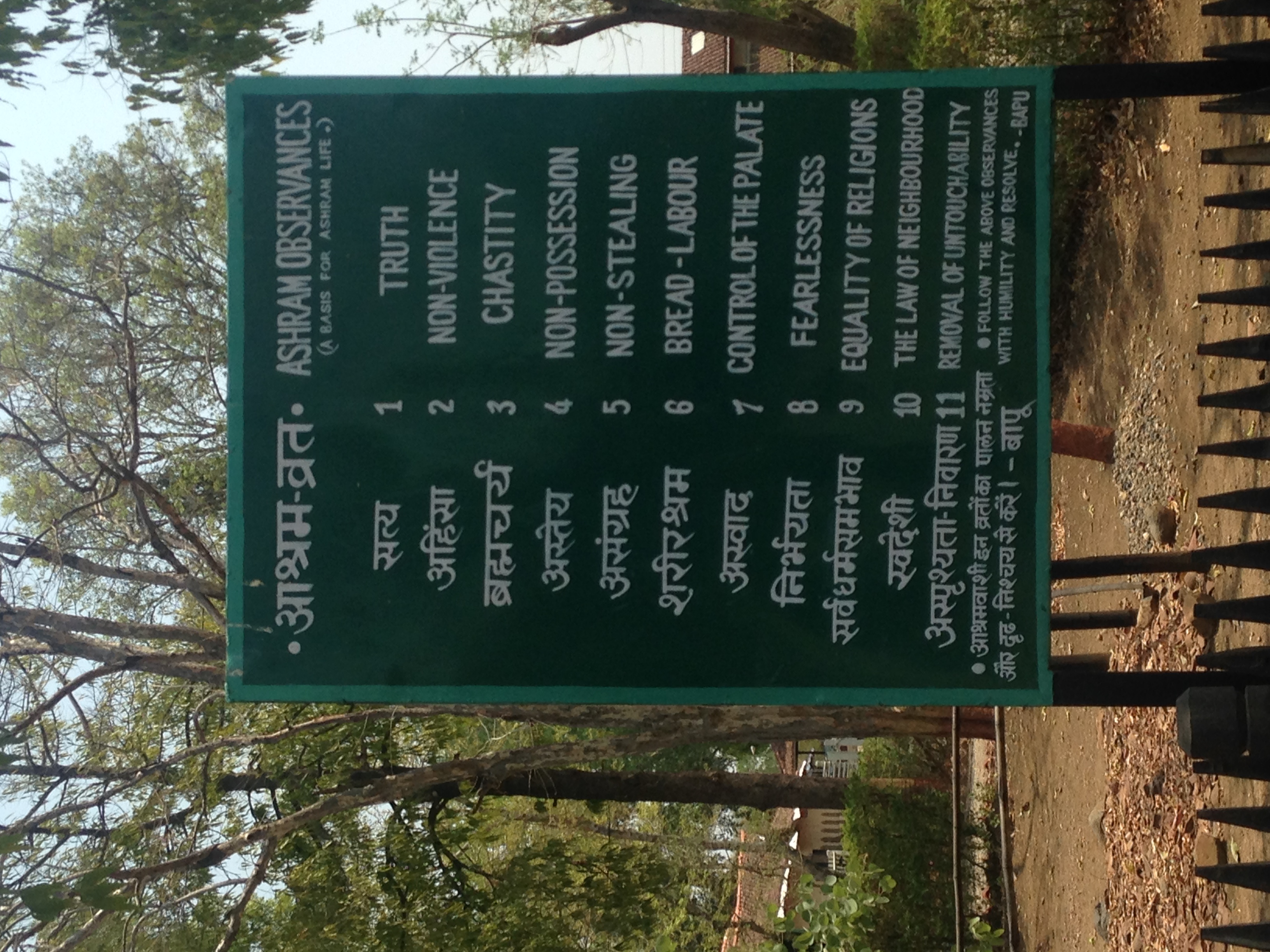
The atmosphere at Sevagram Ashram is quiet and calm. In addition to signs emphasizing peace and introspection, a multifaith communal prayer takes place daily on the designated prayer ground. In this way, visitors are encouraged not simply to reflect upon Gandhi’s political contributions, but also to reflect upon his religious life as a “Mahatma” (an epithet meaning “Great Soul”), as well as upon their own purpose in life. Many visitors who have come and stayed at Sevagram Ashram in the decades since Gandhi’s passing report that they have taken inspiration from this site – and particularly from Gandhi’s Cottage – to effect change in their own lives and to seek to effect change in the world.
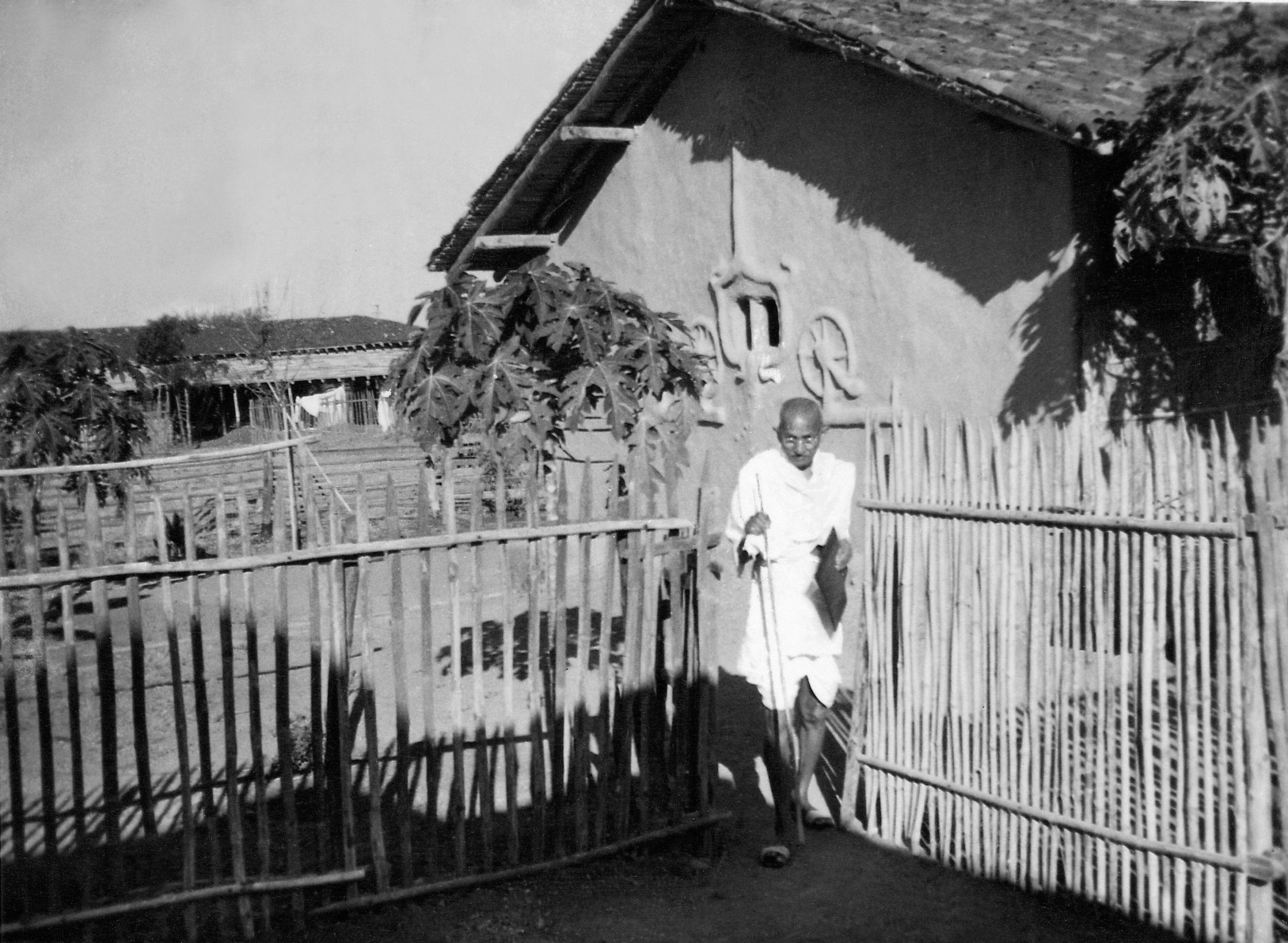
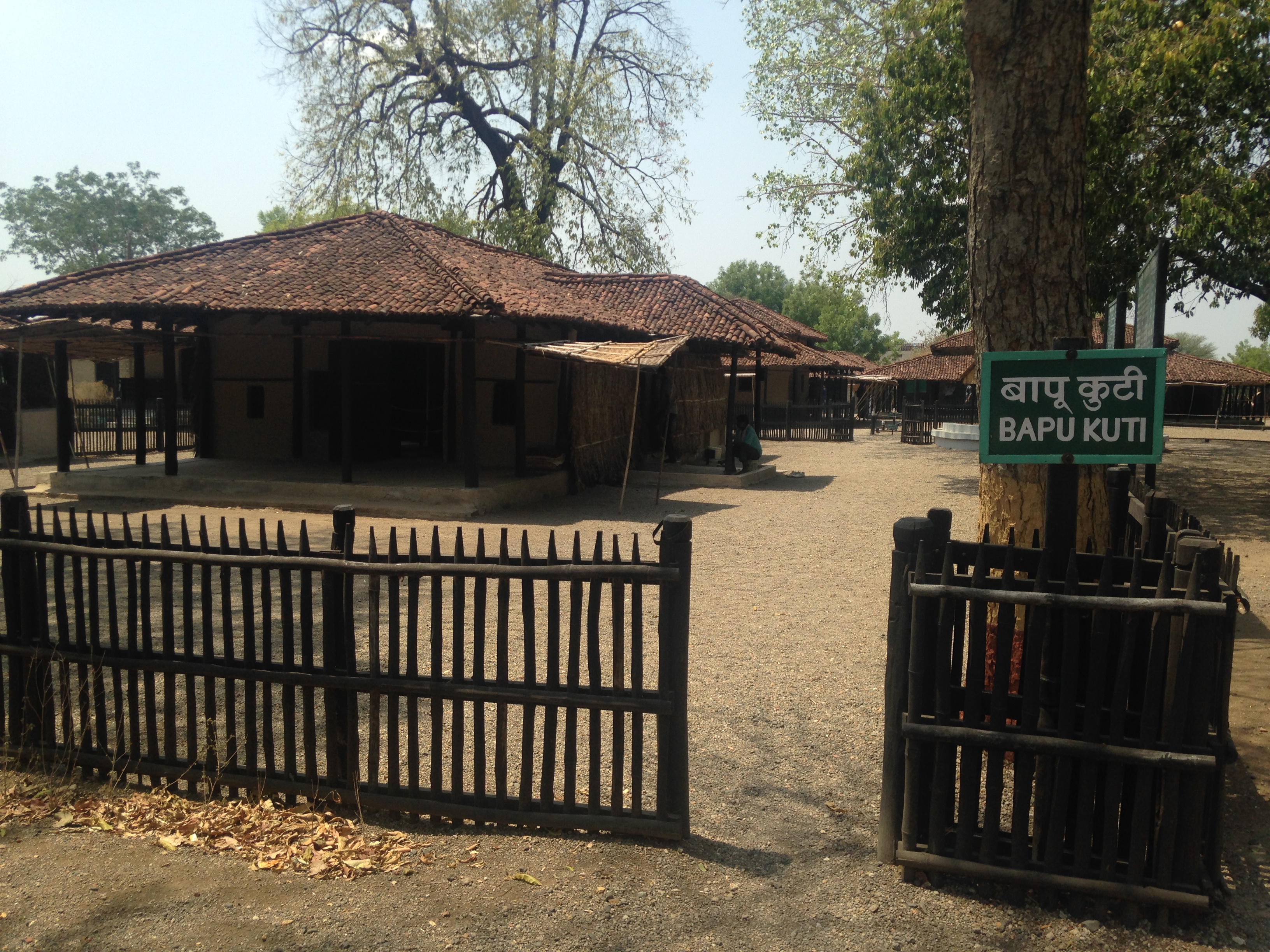
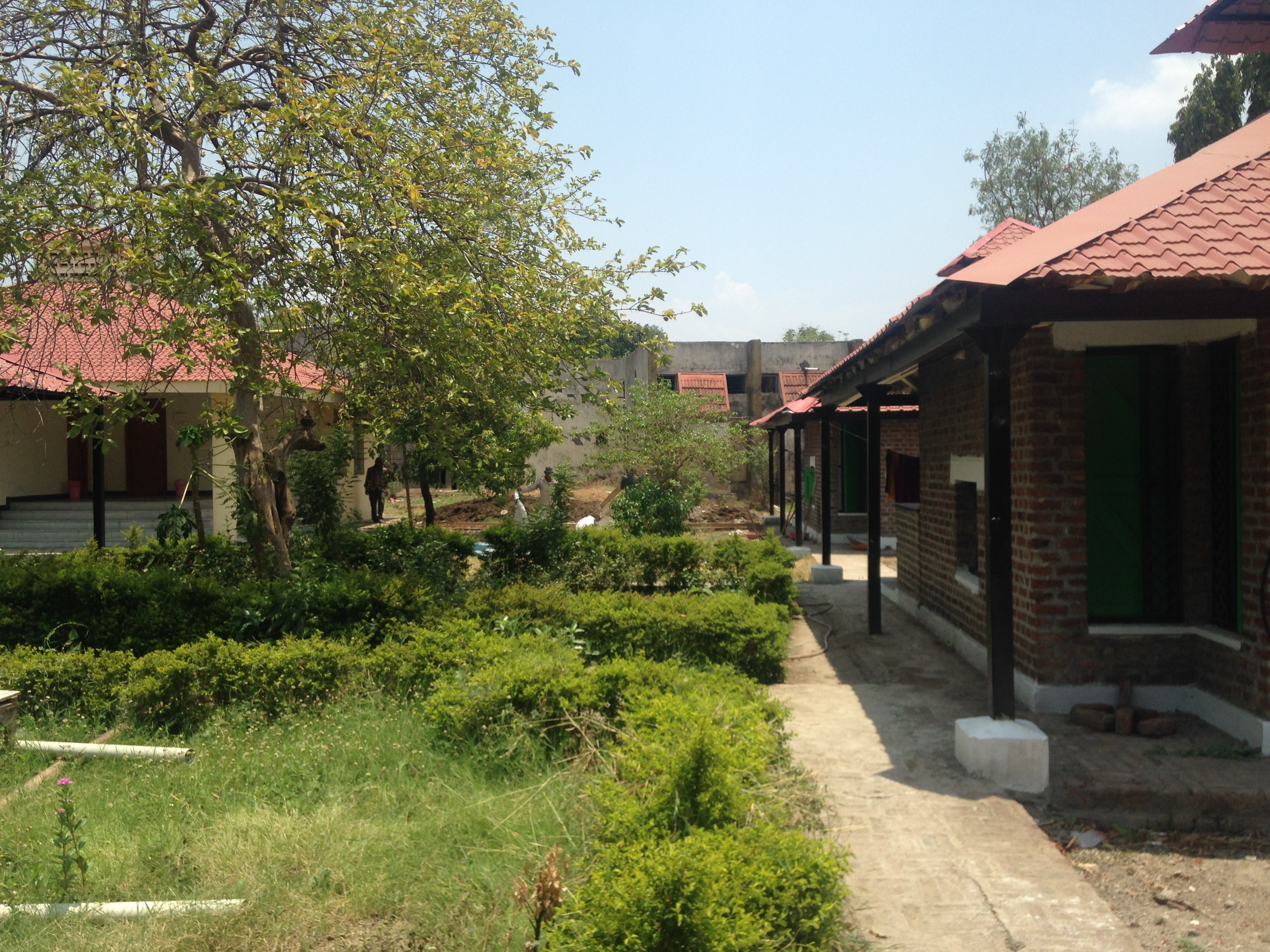
Visitors can walk through Adi Niwas (Gandhi’s first residence at Sevagram Ashram), Bapu Kuti (the cottage Gandhi’s disciple Mirabehn built for herself, but which became Gandhi’s primary cottage), Ba Kuti (the cottage of Gandhi’s wife, Kasturba), and other sites. Over the past decade the Maharashtra state government has been working to develop the area around Sevagram Ashram with the goal of increasing tourism. Across the street from Sevagram Ashram, a tourist accommodation area (called “Yatri Niwas”) has been added, featuring hostel rooms, a café, and a book and gift shop. Further development is ongoing.
Citing the Living with Gandhi Archive:
McLain, Karline (editor). Living with Gandhi Archive. Bucknell University: http://livingwithgandhi.org.