

NEWS!! Listen to a podcast about the Living with Gandhi archive and book on the New Books Network. Listen here!
Mahatma Gandhi (1869-1948) was an anticolonial activist, lawyer, and politician. Less famously, but no less importantly, Gandhi was also a back-to-the-land farmer, a founder of communes, and a seeker of utopia. The Living with Gandhi Archive is an accessible site for the study and exploration of Gandhi's residential experiments with utopia. Here you can read about the four intentional communities that Gandhi founded in South Africa and India; view photographs of each of these four sites from Gandhi’s time as well as the present; learn about many of Gandhi’s coresidents; and explore additional resources to learn about daily life at these communities and the collective quest for utopia.
Phoenix Settlement
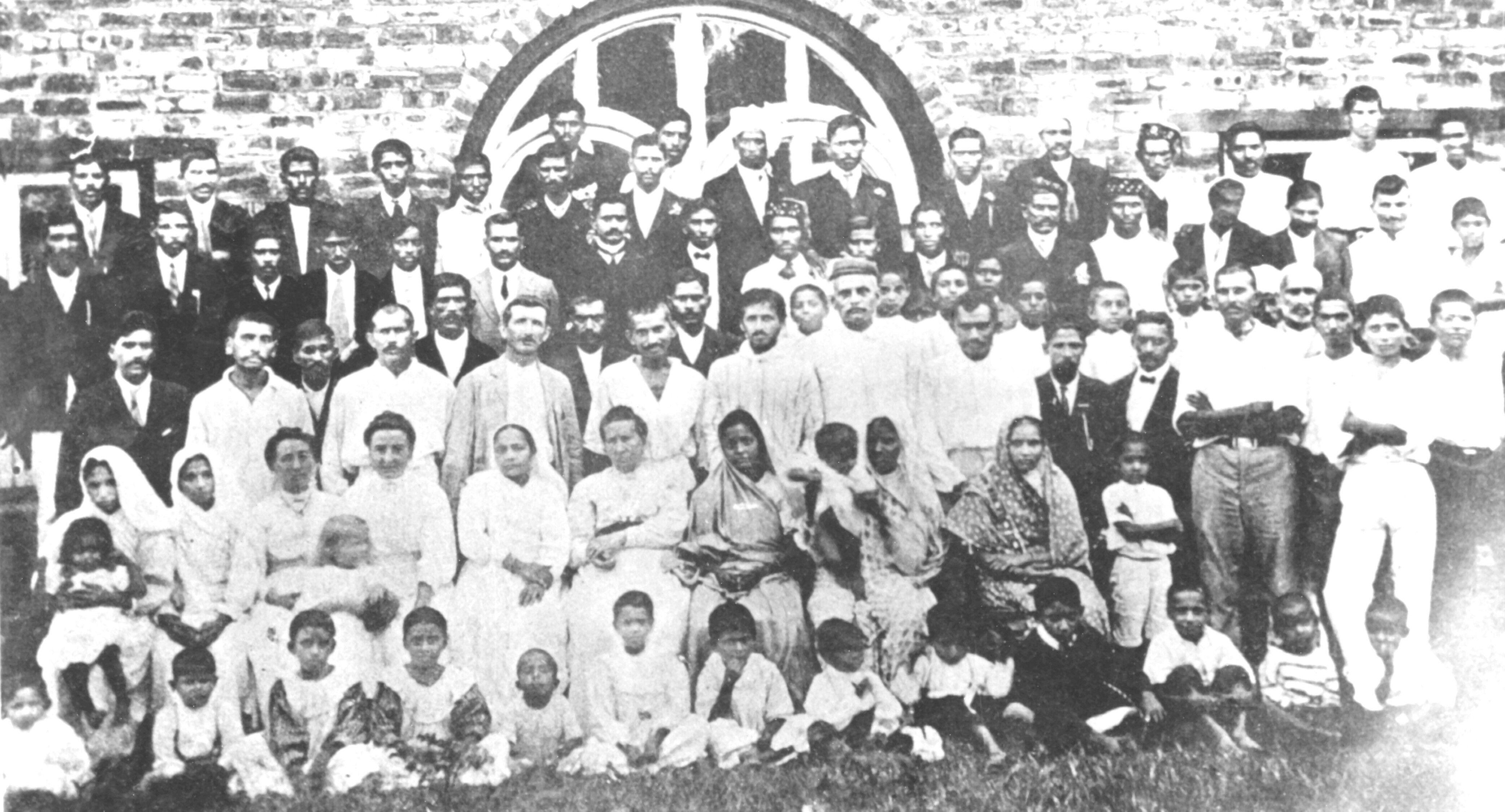
Tolstoy Farm

Sabarmati Ashram
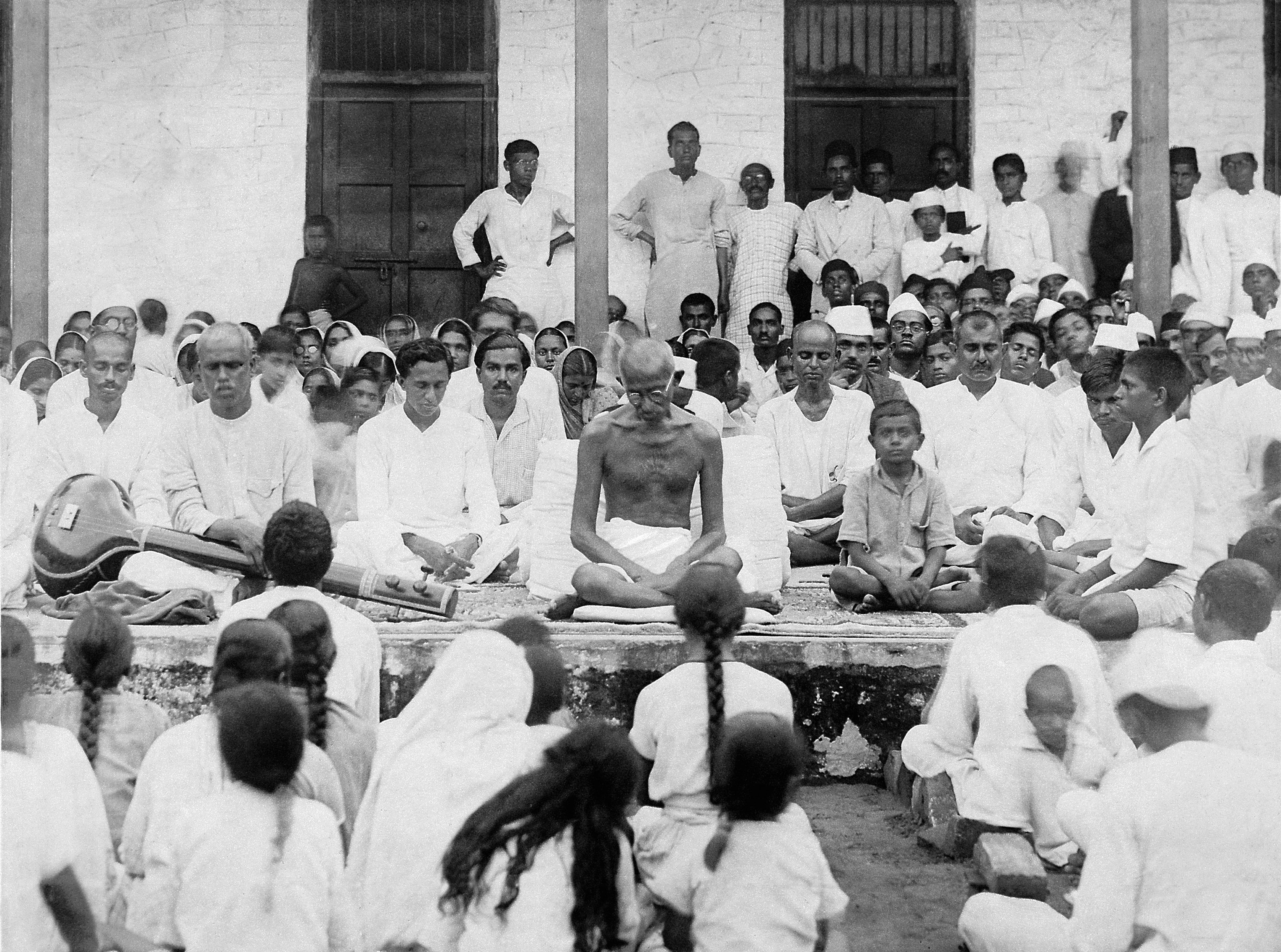
Sevagram Ashram
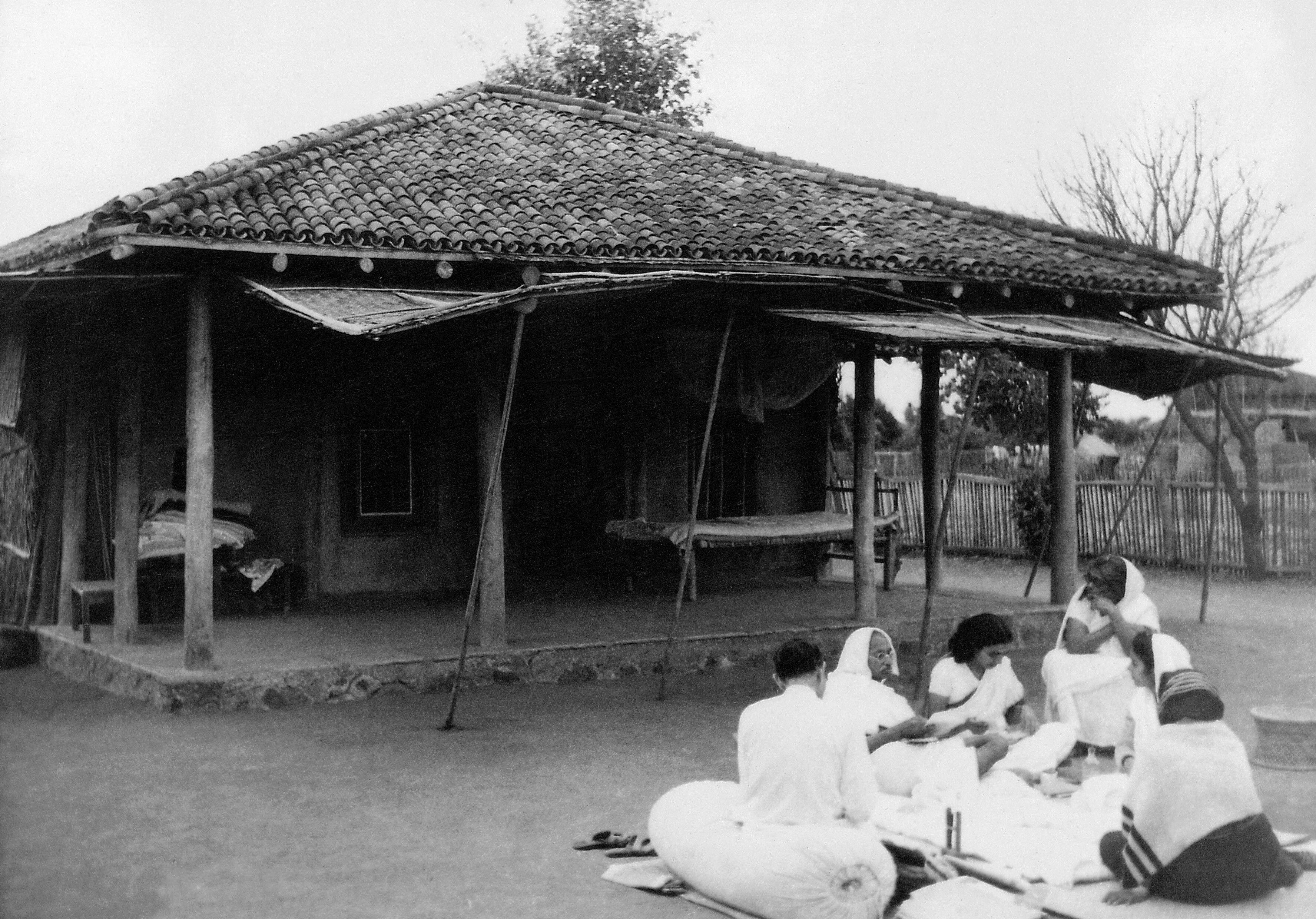
Behind the Living with Gandhi Archive
The Living with Gandhi Archive has been created using LEAF (Linked Editing Academic Framework). Research for this project has been supported by academic fellowships from Bucknell University, the Enhancing Life Project, and the National Endowment for the Humanities.
Karline McLain
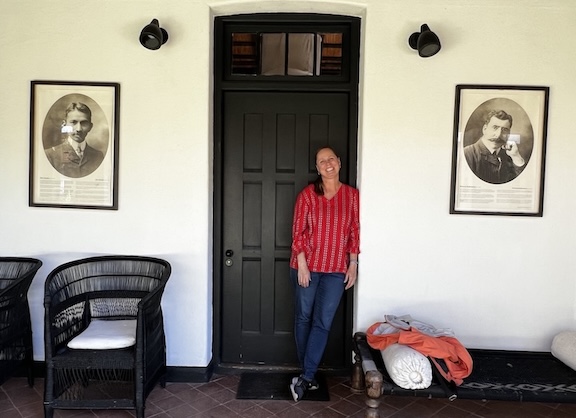
Karline McLain, PhD, is a Professor of Religious Studies at Bucknell University. She is the editor and the PI (primary investigator/lead researcher) of the Living with Gandhi Archive. Her most recent book is recommended as a companion text for this digital archive: Living with Gandhi: Experiments in Utopia (Association for Asian Studies and Columbia University Press, 2026).
Karline McLain is also the author of The Afterlife of Sai Baba: Competing Visions of a Global Saint (University of Washington Press) and India’s Immortal Comic Books: Gods, Kings, and Other Heroes (Indiana University Press). Her teaching and scholarship explore the religion, history, and culture of South Asia. Her most recent public talks examine Gandhi’s communities and his philosophy of universal wellbeing in the context of everyday life.
Diane Jakacki
Diane Jakacki, PhD, is Digital Scholarship Coordinator and Affiliate Faculty in Comparative and Digital Humanities at Bucknell University. Along with Brian Croxall, she is the co-editor of What We Teach When We Teach DH: Digital Humanities in the Classroom (University of Minnesota Press, 2023). Her research focuses on digital humanities and pedagogy, early modern British literature and drama, digital scholarly production and publication. She is the PI (primary investigator/lead researcher) of the REED London Online project and site tech lead for the Linked Editorial Academic Framework (LEAF) virtual research environment.
Curran Lyons
Curran Lyons is a contributing photographer to the Living with Gandhi Archive.
Chad Colwell
Chad Colwell is a contributing videographer to the Living with Gandhi Archive.
Watch a short video introduction to the Living with Gandhi Archive:
Citing the Living with Gandhi Archive:
McLain, Karline (editor). Living with Gandhi Archive. Bucknell University: http://livingwithgandhi.org.