
Phoenix Settlement
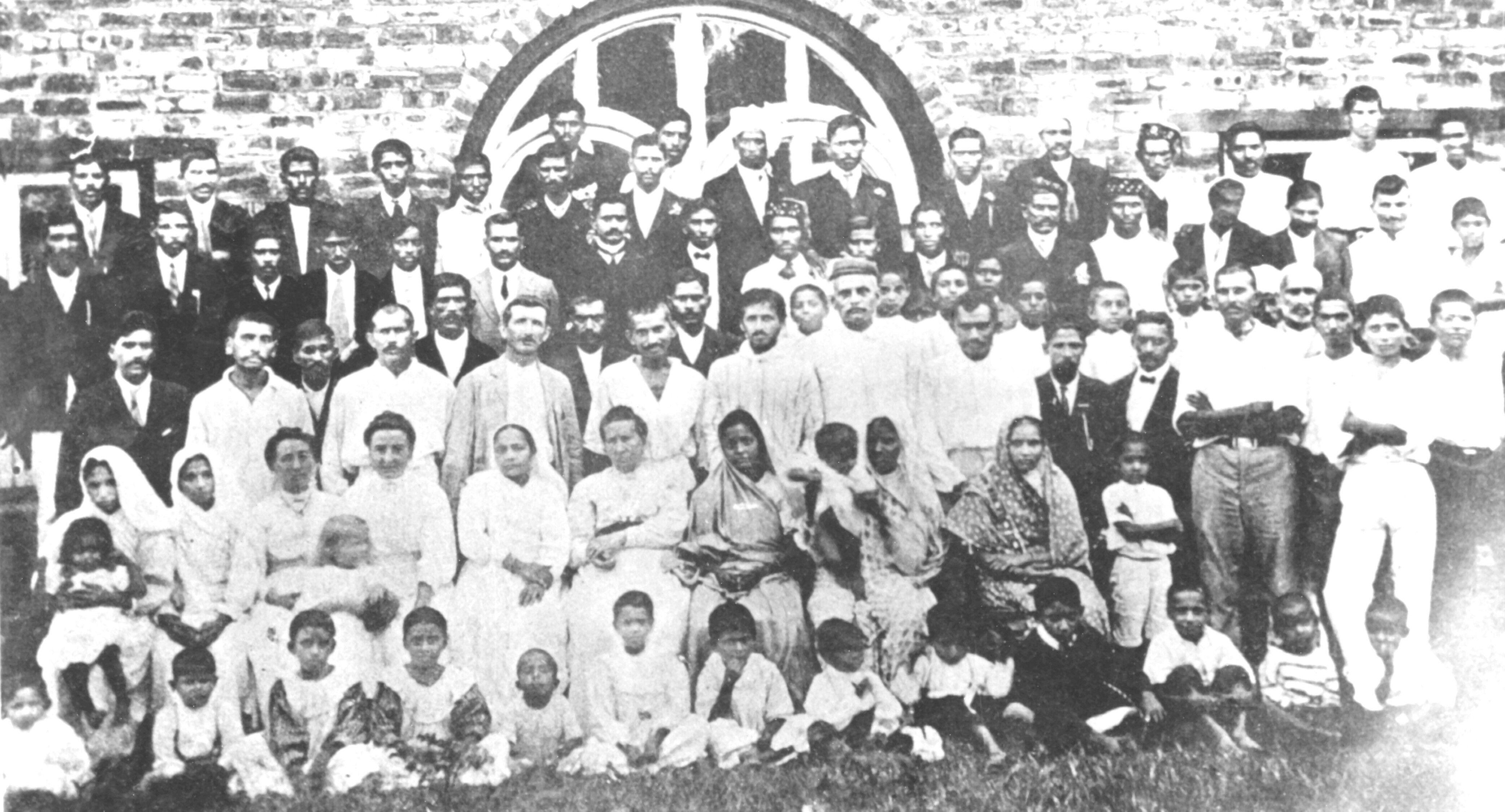
Gandhi founded Phoenix Settlement in 1904 near Durban, KwaZulu Natal, South Africa. This was Gandhi’s first intentional community, and his primary home until 1910.
Life at Phoenix Settlement with Gandhi
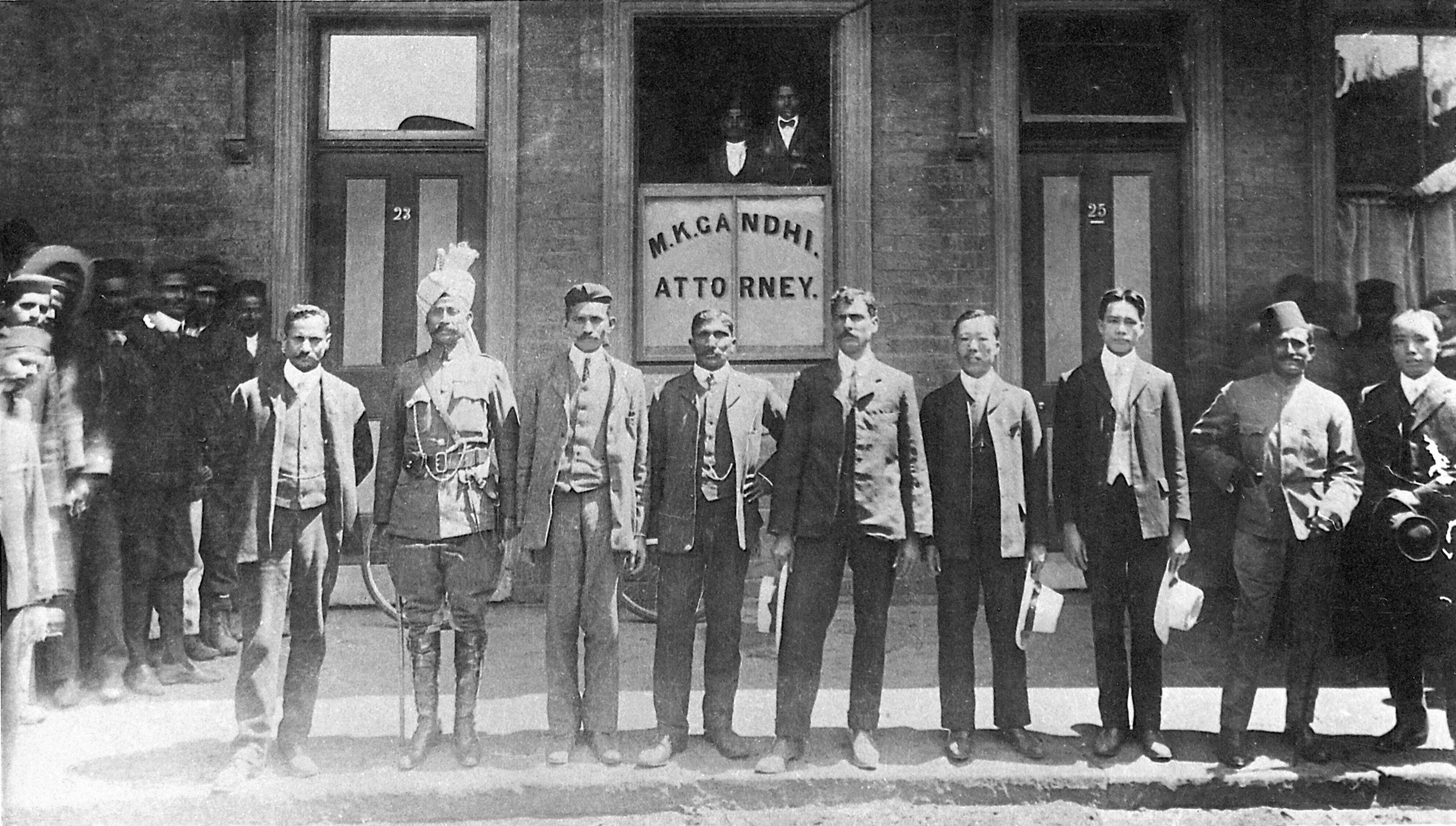
Gandhi was born in India in 1869, and as a young man studied to become a lawyer in Britain. In 1893, Gandhi moved to Durban, South Africa, as a novice lawyer hired under a twelve-month contract to serve as legal counsel to a wealthy Indian merchant. Gandhi had no idea when he arrived that he would ultimately spend twenty-one years living and working in South Africa. It was in South Africa that Gandhi also undertook his first residential experiments with utopia, where he radically rethought what it meant to live a good life.
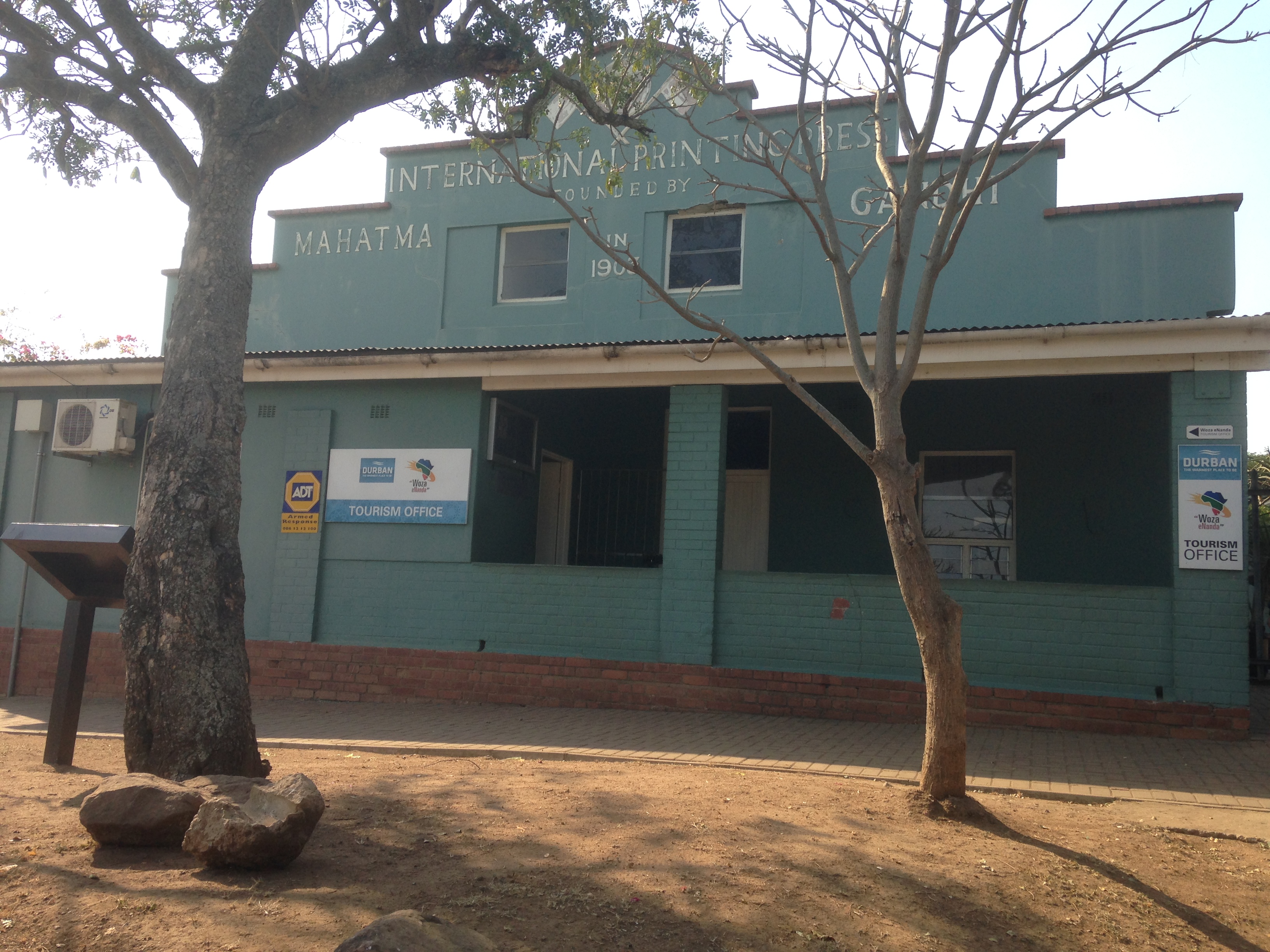
Gandhi founded Phoenix Settlement, his first intentional community, in 1904 on farmland outside Durban, KwaZulu-Natal, South Africa. Here Gandhi became a farmer and operated a printing press, as he began to connect his nascent interest in living a simple and self-sufficient life with the value of physical as well as intellectual labor. Gandhi’s coresidents were Indians and Europeans living in South Africa. Together they endeavored to establish a just society, one that was committed to providing equal wages and living conditions for all residents regardless of race, religion, or gender.
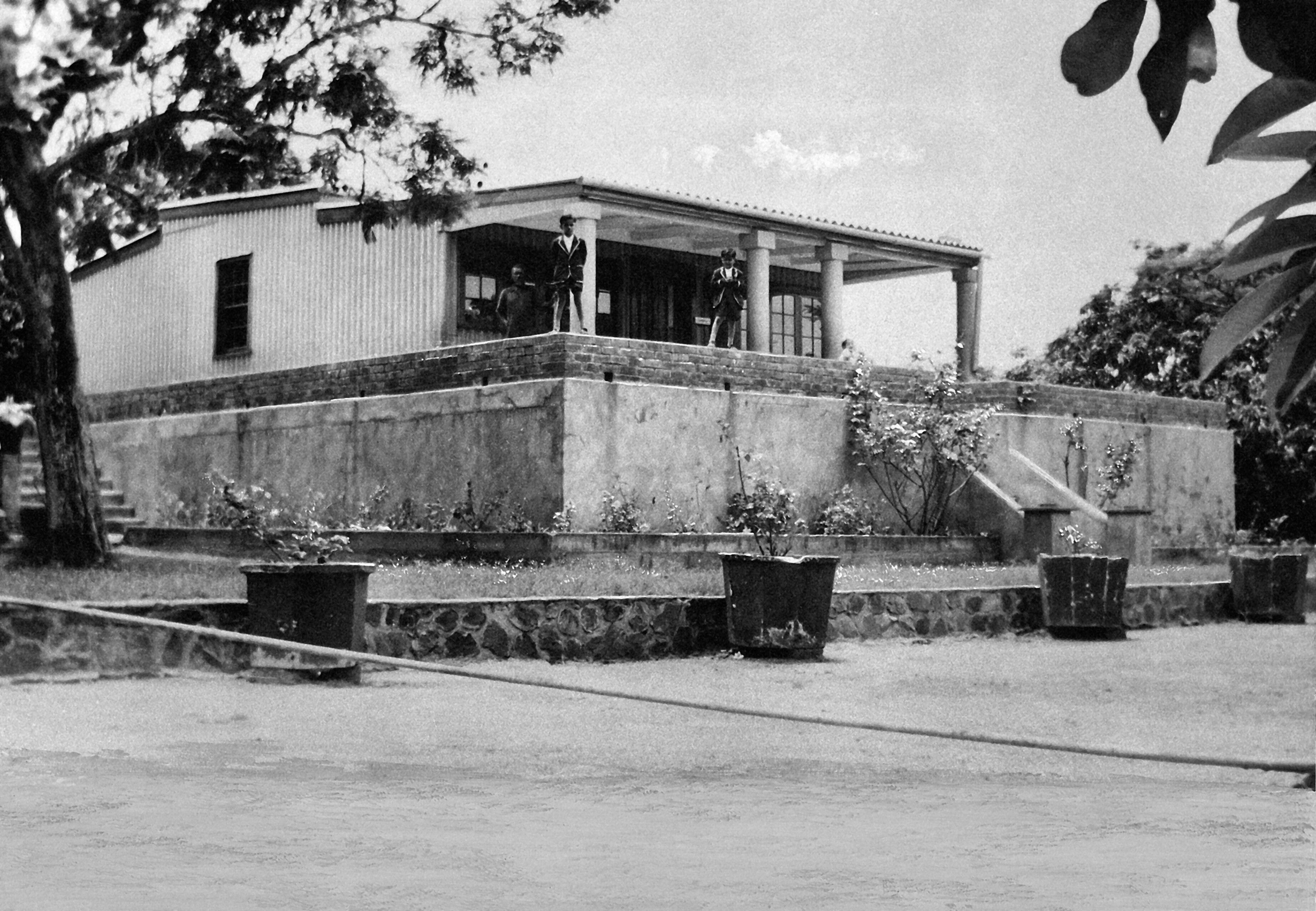
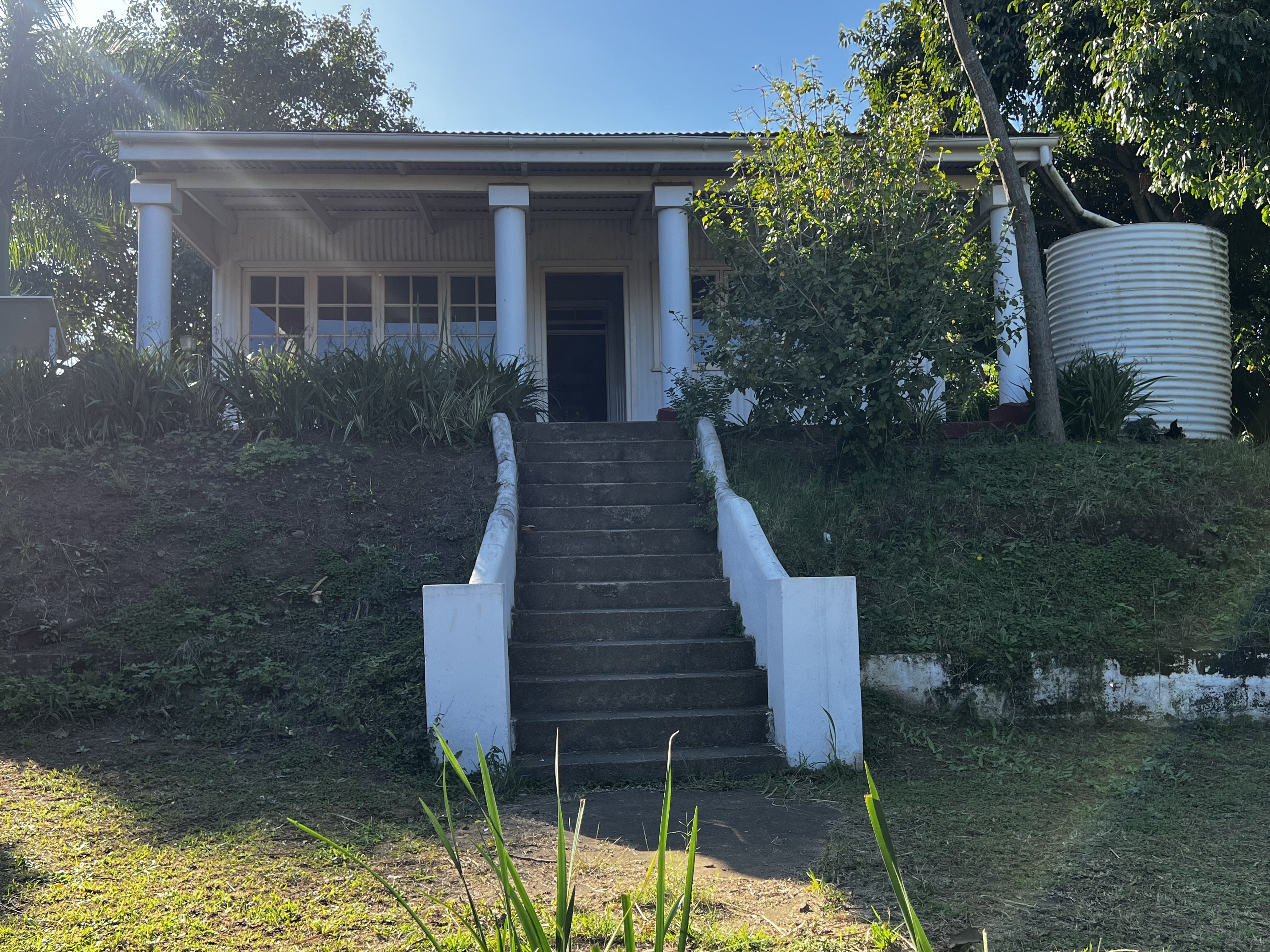
Gandhi’s home at Phoenix Settlement was a small bungalow with corrugated tin walls that he called “Sarvodaya House.” Sarvodaya means universal wellbeing. Gandhi began to develop his philosophy of sarvodaya while he was living at Phoenix Settlement, as he and his coresidents thought about how their everyday lifestyle could either benefit or harm the common good, and as they began engaging in a series of residential experiments seeking to enhance universal wellbeing. The residents of Phoenix Settlement experimented with farming for economic self-sufficiency, adopting a vegetarian diet, engaging in multifaith communal prayers, practicing celibacy, and more.
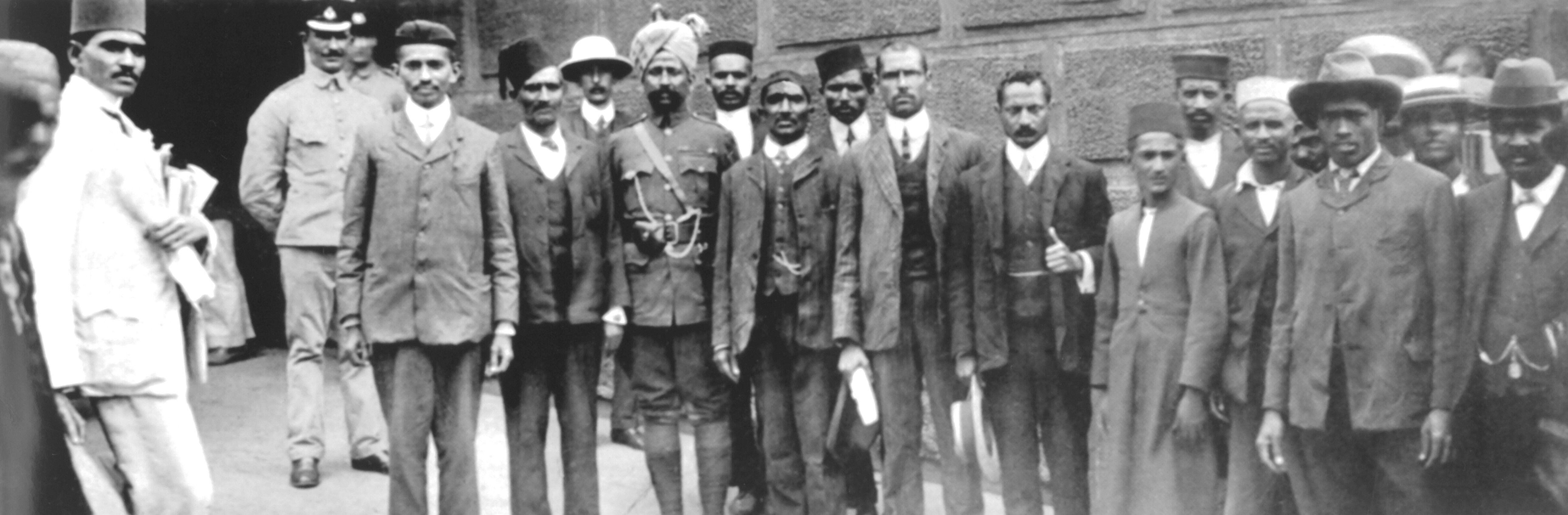
After Gandhi had been living at Phoenix Settlement for two years, he grew more politically active. In 1906 he began engaging in nonviolent civil disobedience, calling his method satyagraha (literally: grasping onto truth). Gandhi and his coresidents began engaging in nonviolent protest of the discriminatory Asiatic Registration Act in South Africa. From Phoenix Settlement they also published Indian Opinion, a weekly newspaper that sought to galvanize Indians and European allies to participate in acts of satyagraha and to promote the philosophy of universal wellbeing (sarvodaya).
On January 10, 1908, Gandhi was arrested for refusing to comply with the Asiatic Registration Act and sentenced to two months in prison – the first of many prison sentences that Gandhi would serve in his lifetime for civil disobedience. Gandhi called upon his coresidents at Phoenix Settlement to continue the protest, telling them to remain firm in their pledge to undergo hardship for the greater good and not be tempted to submit to the Asiatic Registration Act out of fear of the threat of fines, deportation, or imprisonment.

Phoenix Settlement after Gandhi
When Gandhi left South Africa in 1914 to return to India, he gave the residents of Phoenix Settlement the option of joining him in India or remaining at Phoenix Settlement. A couple dozen members elected to go to India, while many other residents continued living at Phoenix Settlement. In 1917, Gandhi’s second-eldest son Manilal returned to South Africa to help run Phoenix Settlement, making it his permanent home. Manilal married his wife Sushila in 1927, and together they raised their children – Sita, Arun, and Ela – at Phoenix Settlement.
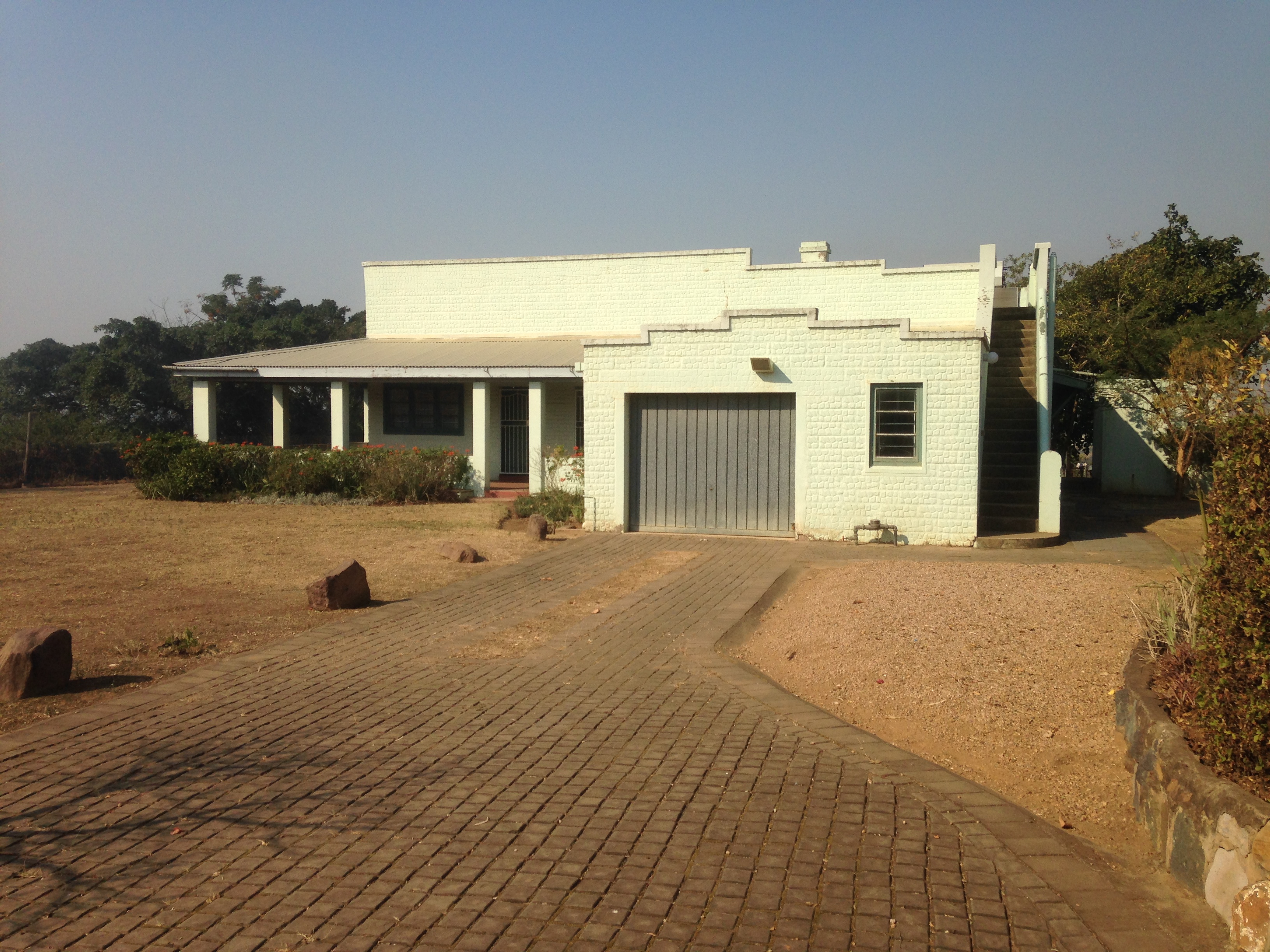
Manilal and Sushila lived in Sarvodaya House until 1944, when they built a larger house of their own at Phoenix Settlement for their growing family. This house, called “Kasturba Bhavan” (named after Manilal’s mother, Kasturba Gandhi), was made of brick and incorporated a small garage as well as a rooftop deck, from where one can take in stunning views of the Inanda Valley. Manilal served as the manager of Phoenix Settlement and the editor of Indian Opinion from 1920 until his death in 1956. Sushila shared in this labor alongside Manilal, eventually managing the settlement and the publication of the newspaper after Manilal’s death. In 1961, Sushila’s youngest child, Ela Gandhi, moved back to Phoenix Settlement to help manage the community. Ela and her husband, Mewa Ramgobin, raised their five children there; these children were the fourth generation of the Gandhi family to live at Phoenix Settlement.
In the 1950-60s Sushila and Ela Gandhi worked with the board of trustees to raise funds and initiate changes at Phoenix Settlement to meet community needs. They built the Kasturba Gandhi School, the Mahatma Gandhi Clinic (a neighborhood medical clinic that was initially located in the printing press building), and a community museum and library. During these decades a new round of nonviolent activism also took place at Phoenix Settlement in response to increasing apartheid laws being enacted in South Africa. For instance, the community hosted a five-day-long fast in 1960 to protest against the police firing upon nonviolent protestors in the Sharpeville Massacre and the placement of anti-apartheid activists under house arrest.
In the 1970s-80s there were rising tensions in the Inanda Valley area and surrounding Phoenix Settlement. As a result of apartheid laws an increasing number of displaced Indian South Africans were relocated to Phoenix Township, an apartheid housing scheme east of Phoenix Settlement; while an increasing number of displaced Black South Africans moved to an informal settlement called Bhambayi near the Mahatma Gandhi Clinic. The Gandhi family moved away from Phoenix Settlement at this time, relocating to a town north of Durban that was designated a group area for Indians by the government. Tensions continued to rise as more displaced families moved into the Inanda Valley. The situation came to a head during the Inanda Riots of 1985, when urban incendiarism caused substantial damage to Indian and Black South African homes and businesses. At Phoenix Settlement, Sarvodaya House was burned down, as were most of the other houses along with the school. Kasturba Bhavan and the printing press building survived the arson, but were looted. The land was also encroached overnight, with thousands of rudimentary dwellings erected by Black South Africans laying claim to the land.
Following the end of apartheid in 1994, significant efforts were undertaken to preserve what remains of the historic legacy of Phoenix Settlement, and in 2020 Phoenix Settlement was officially recognized as a national heritage site in South Africa. The settlement today has a much smaller footprint than it did in Gandhi’s time: the medical clinic is now part of the township and outside of the heritage site, and there is no longer a working farm nor most of the houses of the once residential community. Kasturba Bhavan and the printing press building still stand. Gandhi’s former home, Sarvodaya House, was rebuilt in 2000 by the architect Rodney Harber to resemble the original corrugated iron house, and was inaugurated by President Thabo Mbeki.
Sarvodaya House now serves as a small museum, and tells the story of Gandhi’s emergent leadership in the struggle for the Indian community’s civil rights in South Africa under the colonial regime. The small exhibit in Sarvodaya House is complemented by a larger exhibit in another building called the Mahatma Gandhi Interpretation Centre. This building serves as a community space and contains an exhibit that grounds Gandhi in the larger context of the Inanda Valley region and the South African struggle against apartheid.


Citing the Living with Gandhi Archive:
McLain, Karline (editor). Living with Gandhi Archive. Bucknell University: http://livingwithgandhi.org.