
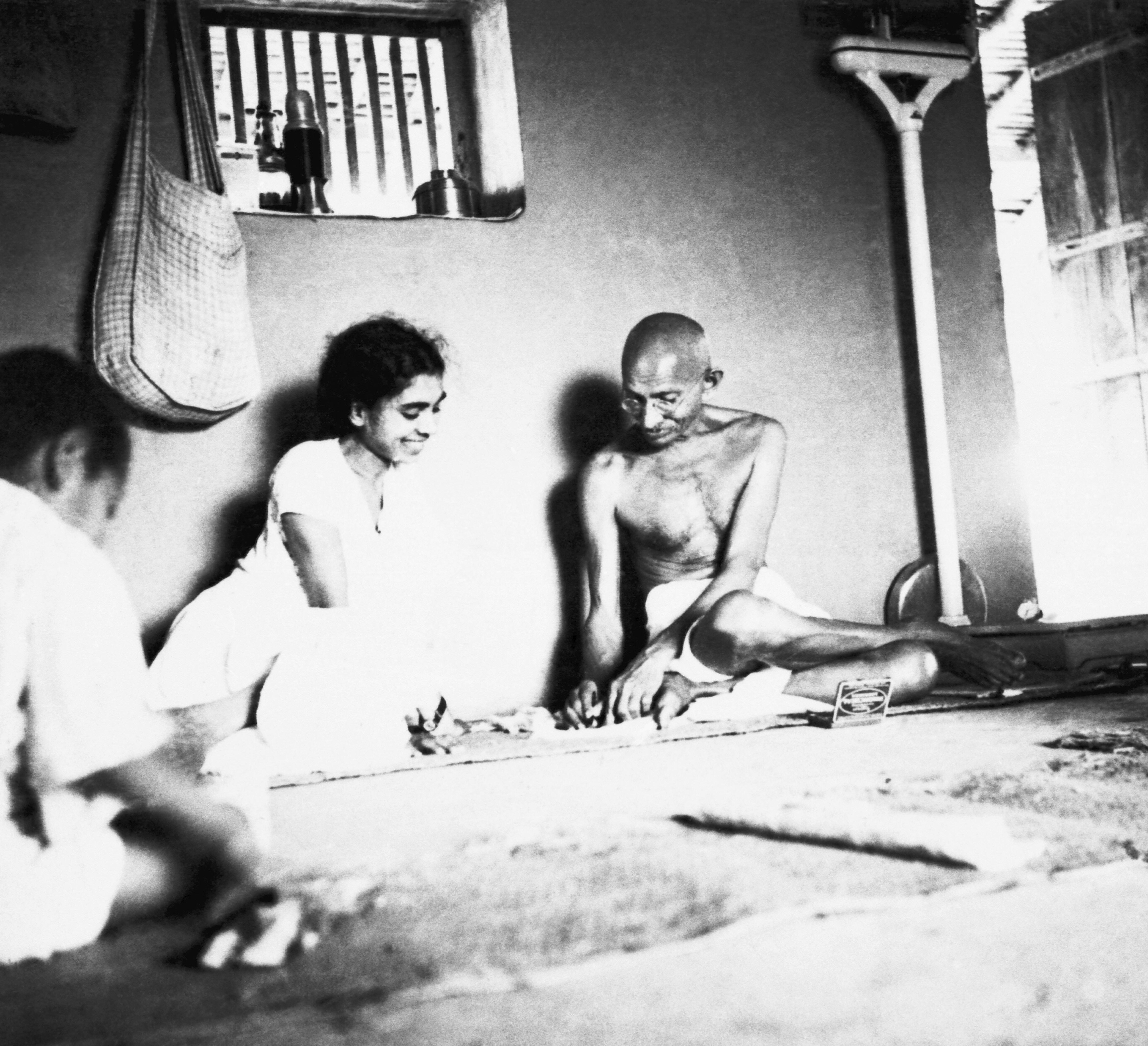
Gandhi and Sushila Nayar sitting in his hut
Gandhi sitting with and Sushila Nayar (and others) inside his hut at Sevagram Ashram, circa 1937
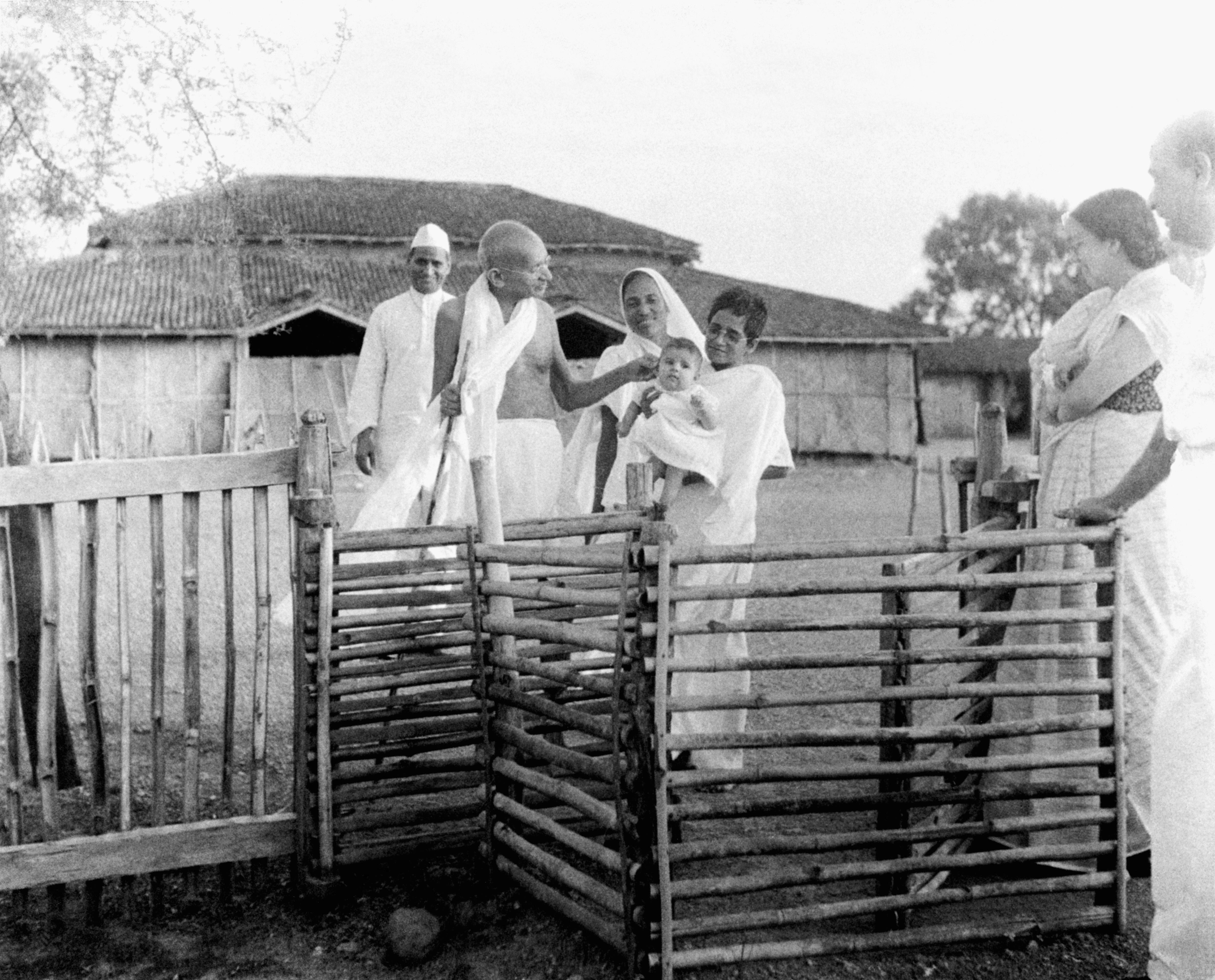
Gandhi and Amtul Salaam
Gandhi with Amtul Salaam (right, holding the visiting baby) at Sevagram Ashram, circa 1941. Also pictured is Janaki Devi Bajaj (center), wife of
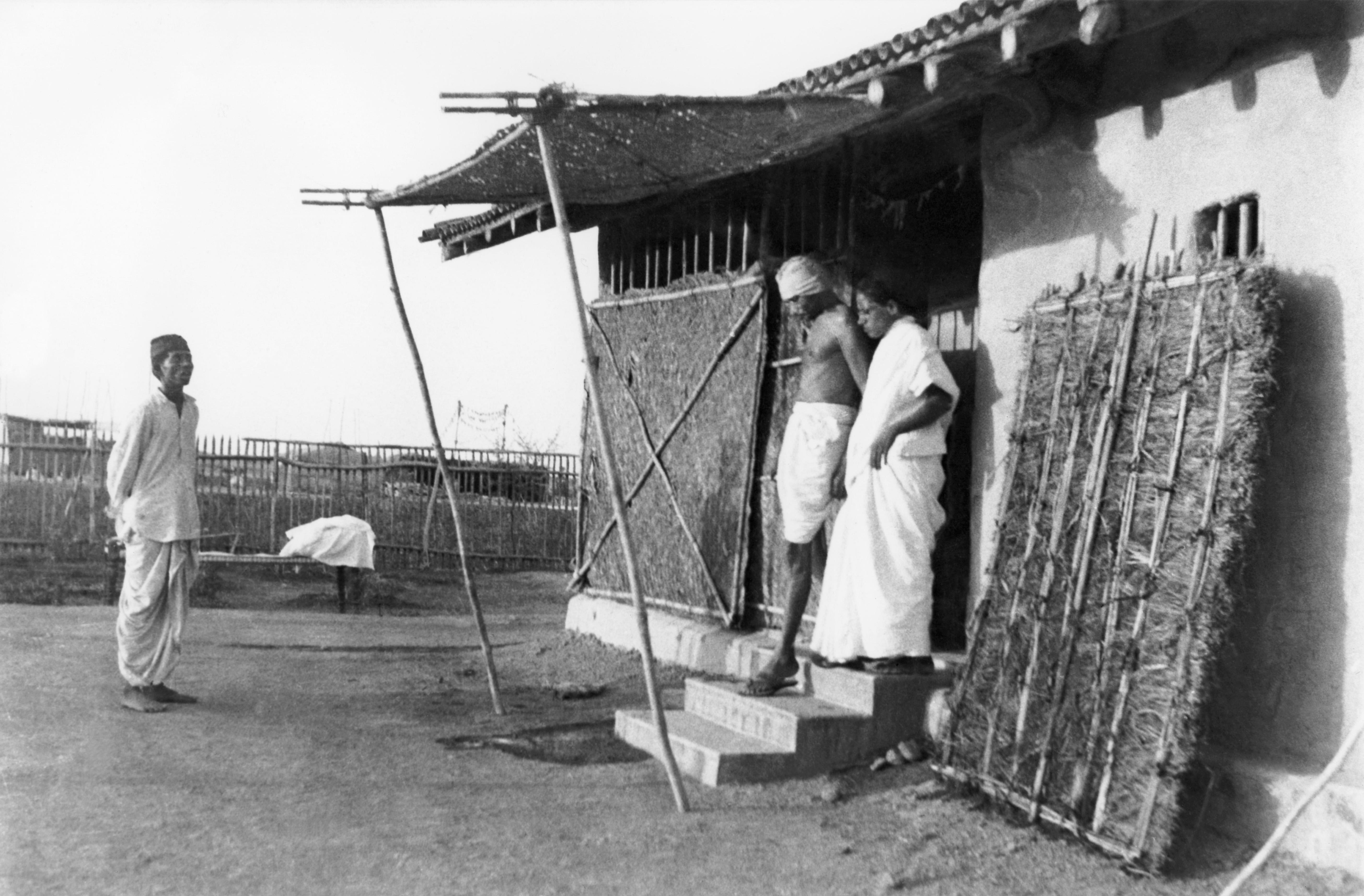
Gandhi and Amtul Salaam at Bapu Kuti
Gandhi standing in front of his hut, Bapu Kuti, circa 1939. Standing next to him is coresident Amtul Salaam.
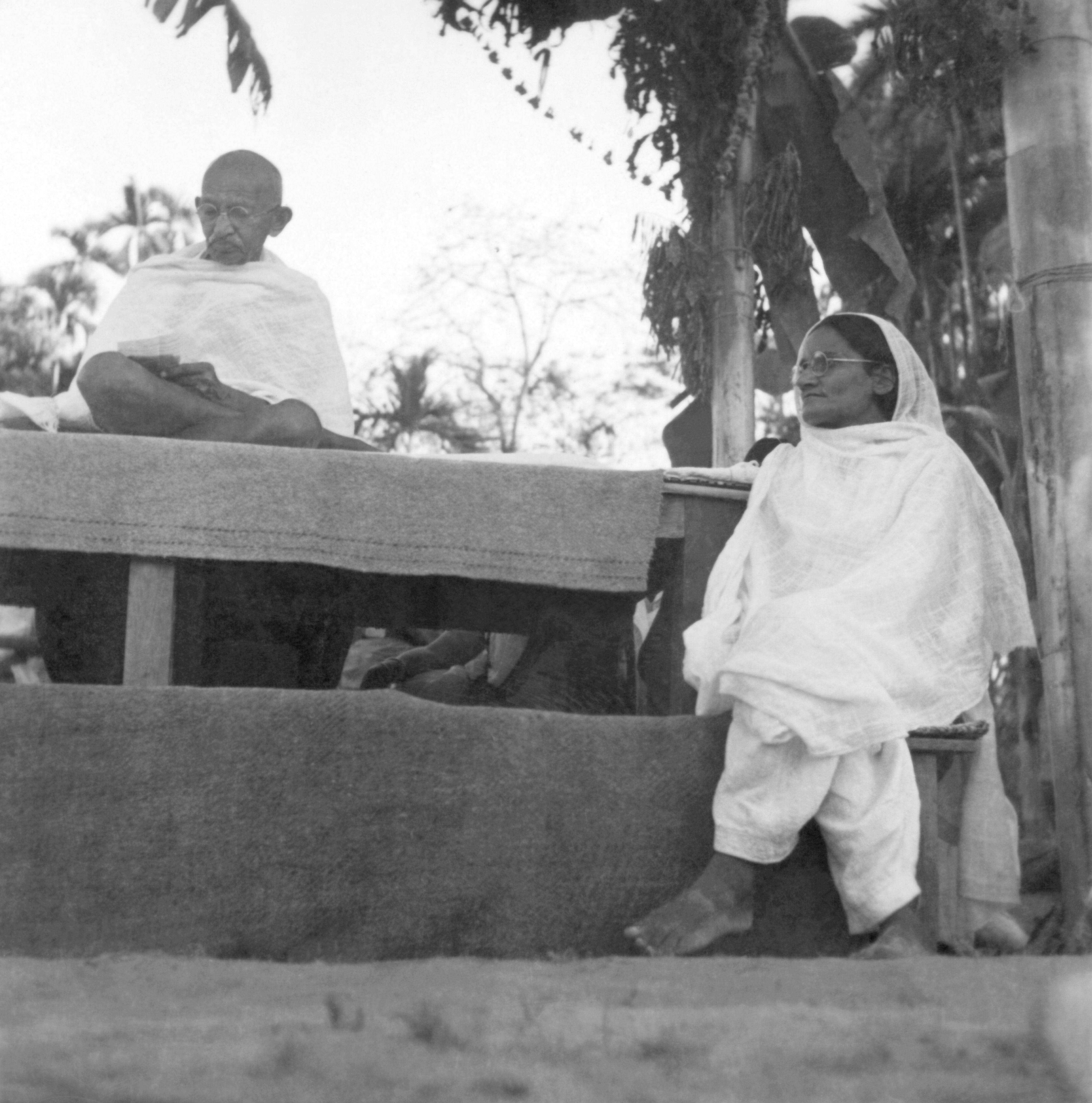
Gandhi and Amtul Salaam at a prayer session
Gandhi and Amtul Salaam at an ecumenical prayer session led by Gandhi, circa 1946.
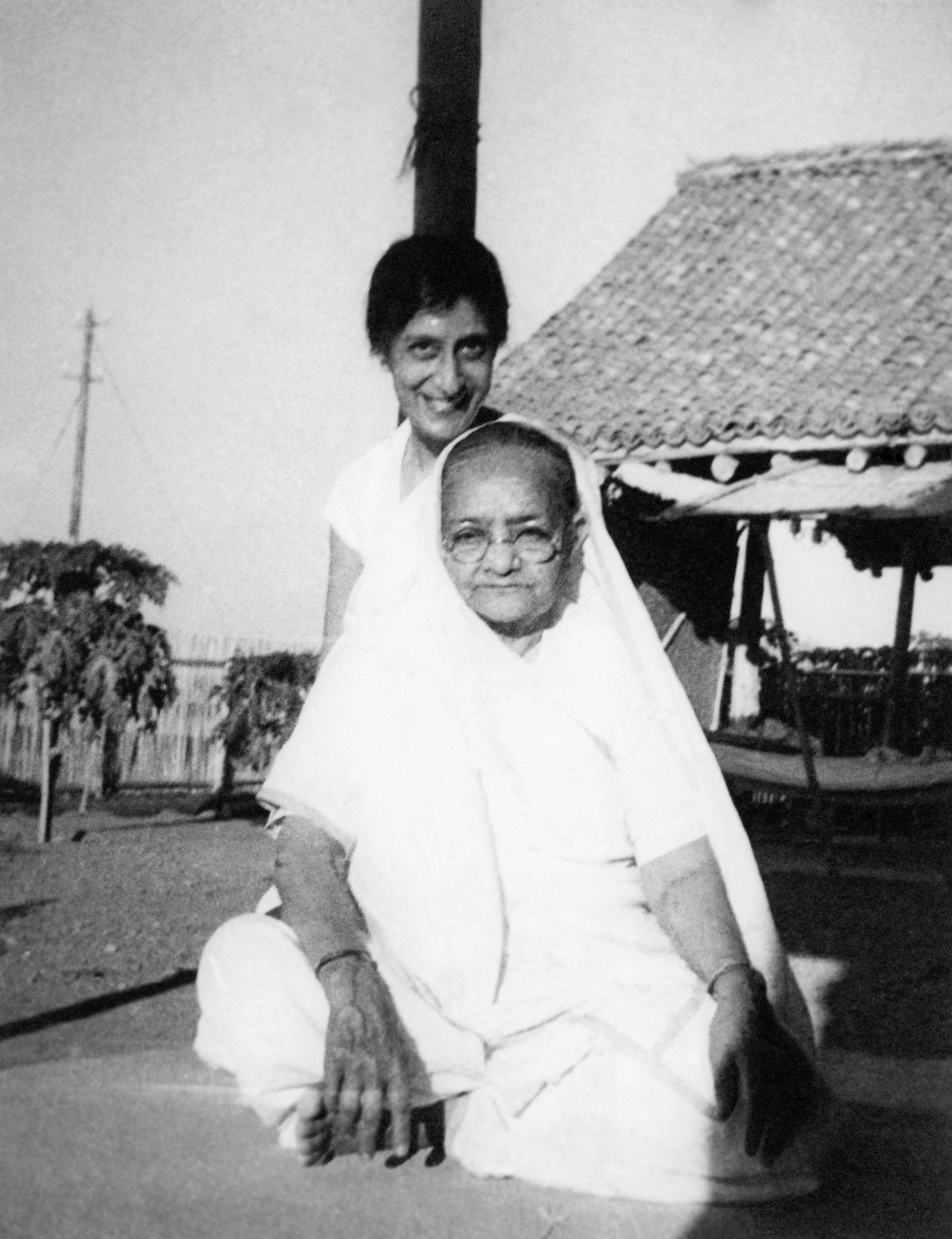
Amrit Kaur and Kasturba Gandhi
Kasturba Gandhi (seated, front) and Amrit Kaur (standing, rear) at Sevagram Ashram, circa 1941.
Gandhi (Photographer)
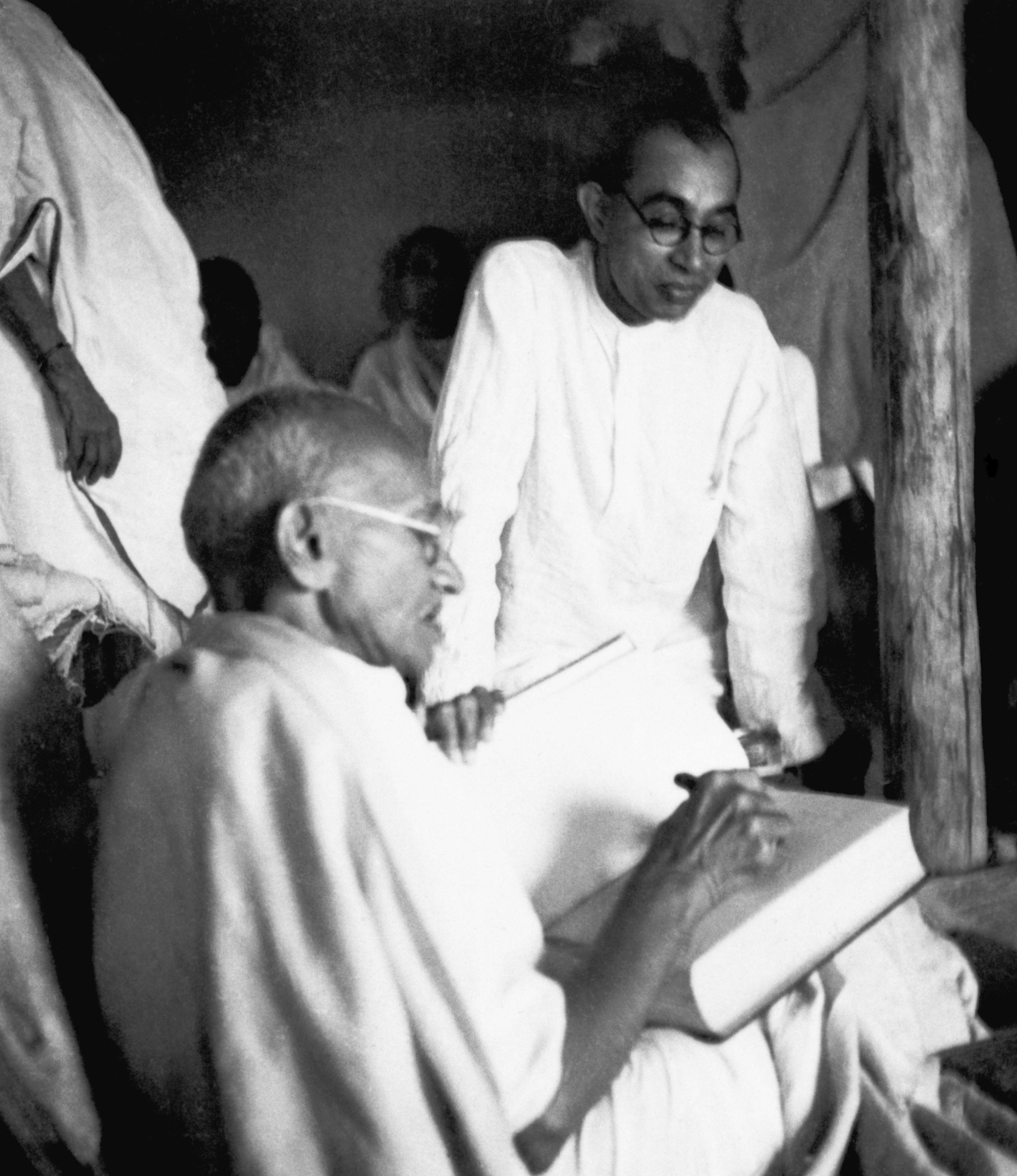
Gandhi and Pyarelal Nayar
Pyarelal Nayar with Gandhi, in Gandhi's hut at Sevagram Ashram, circa 1939.
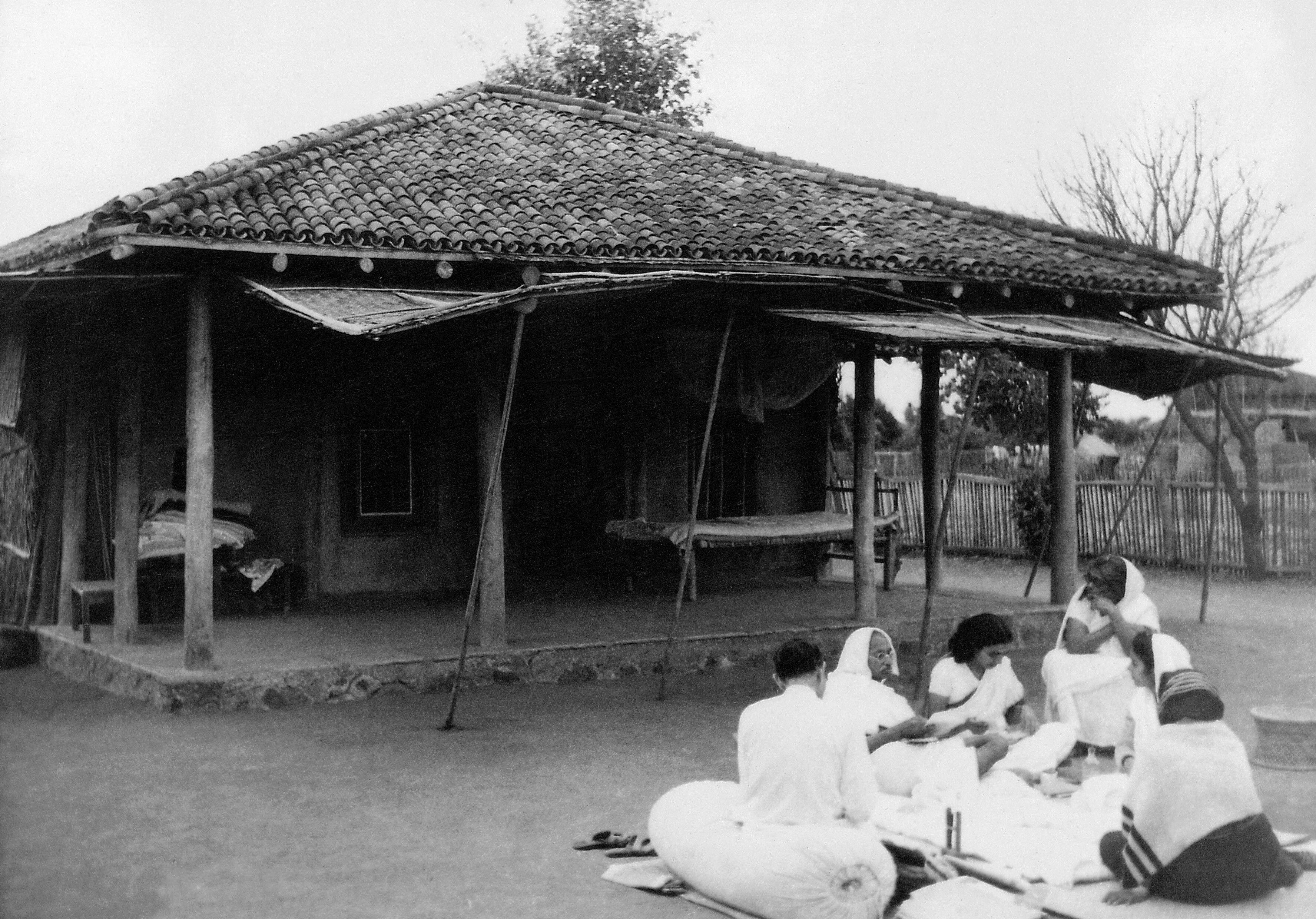
Gandhi seated with coresidents
Gandhi seated with coresidents in front of his hut at Sevagram Ashram, circa 1939. Sushila Nayar is seated to Gandhi's left.
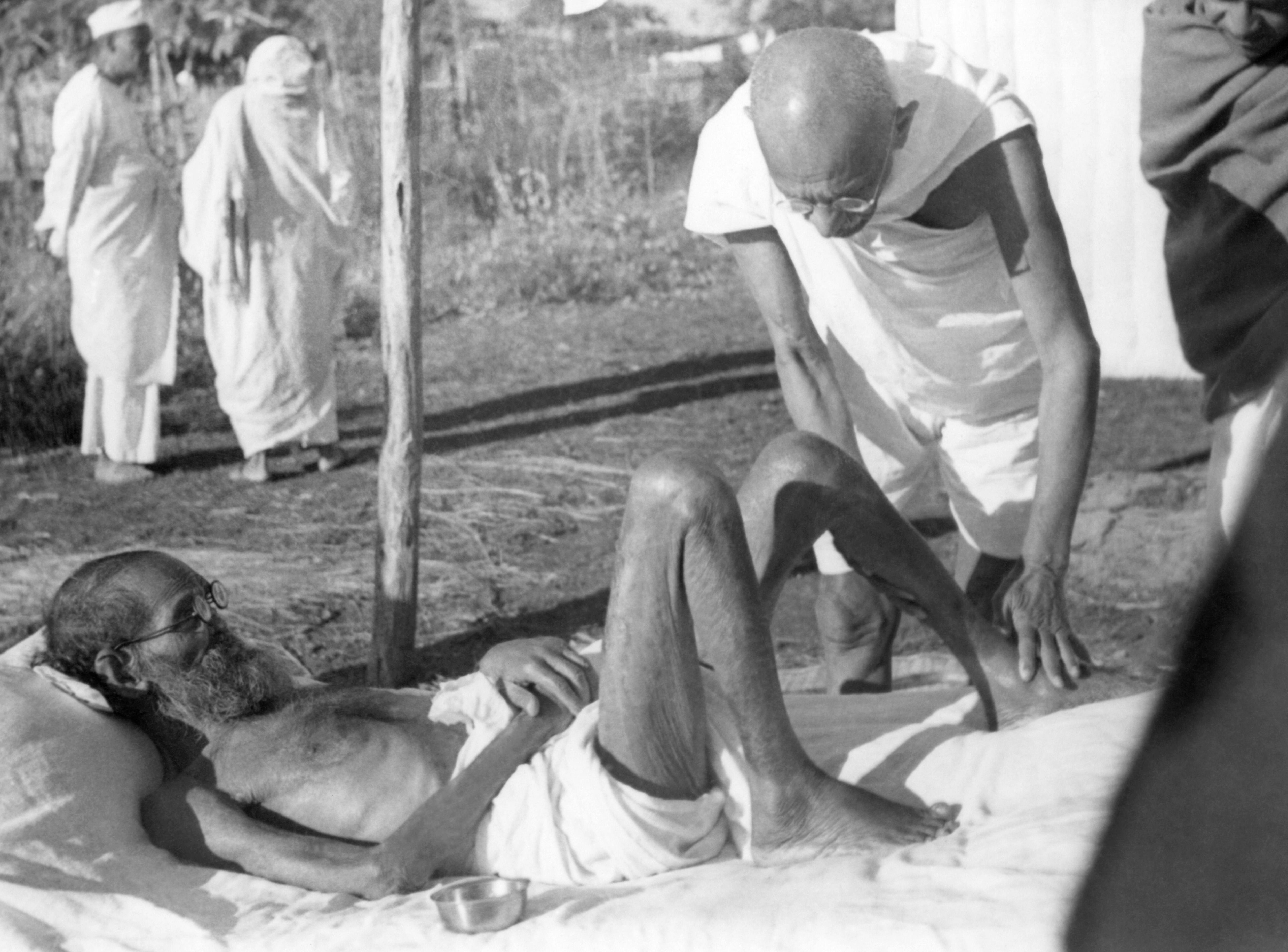
Gandhi attending to Parchure Shastri
Gandhi attending to Parchure Shastri at Sevagram Ashram, 1939. Parchure Shastri was stricken with leprosy, and therefore deemed an outcaste by
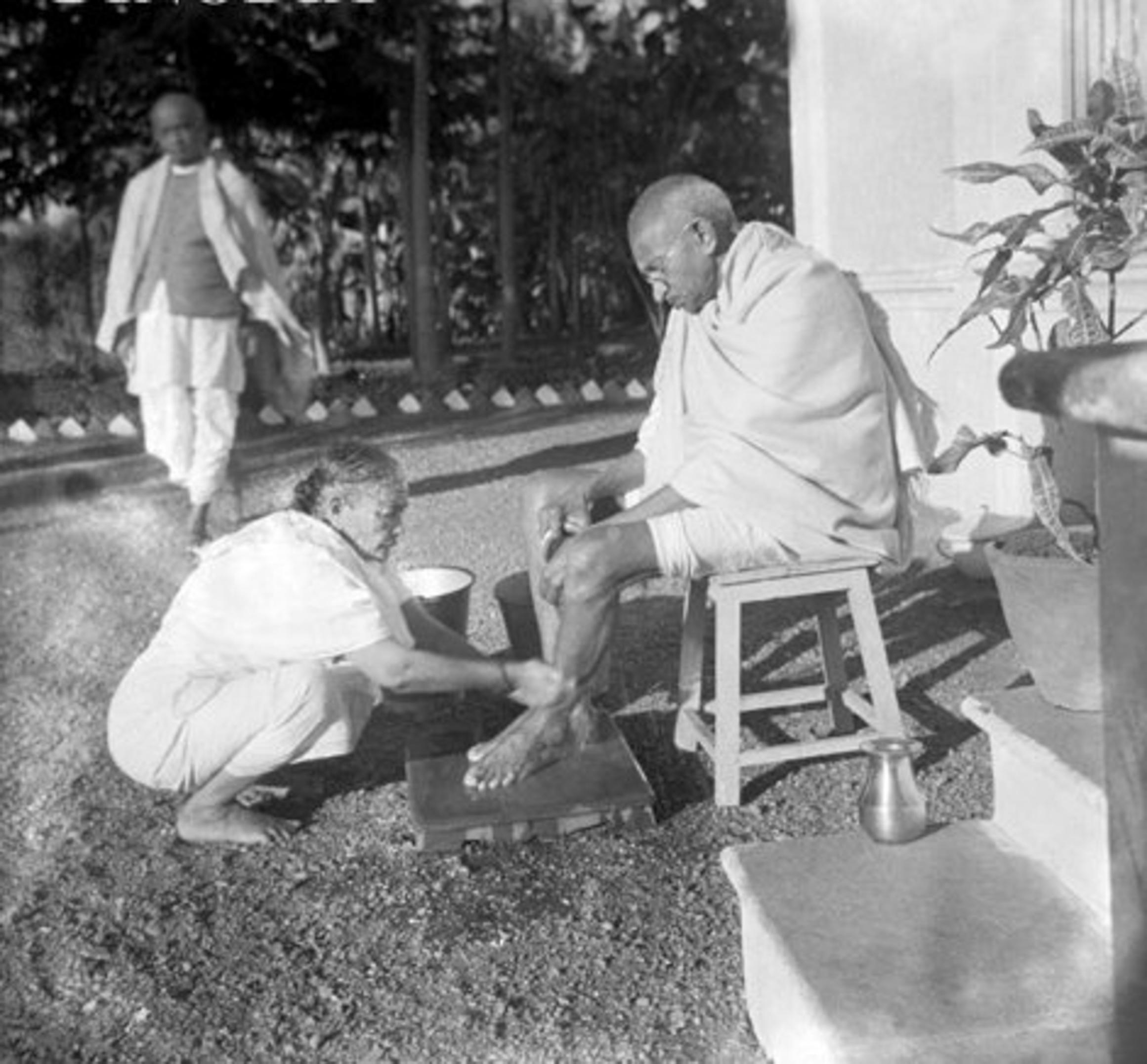
Kasturba Gandhi washing Gandhi's feet
Kasturba Gandhi washing Gandhi's feet, circa 1939. Such bodily service (seva) toward Gandhi was performed by Kasturba and some other
Gandhi (Photographer)

Lilavati Asar washing Gandhi's feet
Lilavati Asar washing Gandhi's feet, circa 1939. Such bodily service (seva
Gandhi (Photographer)

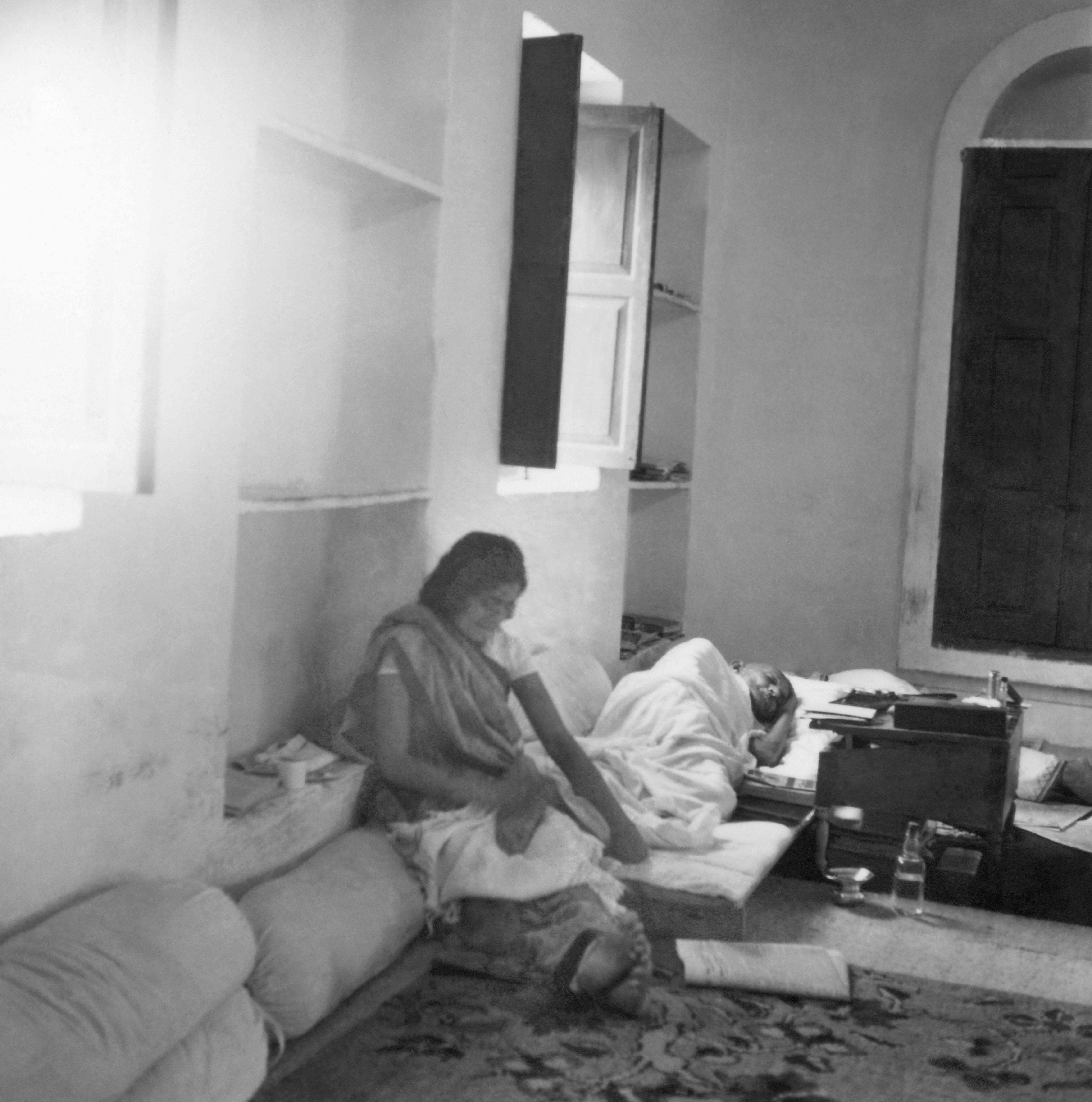
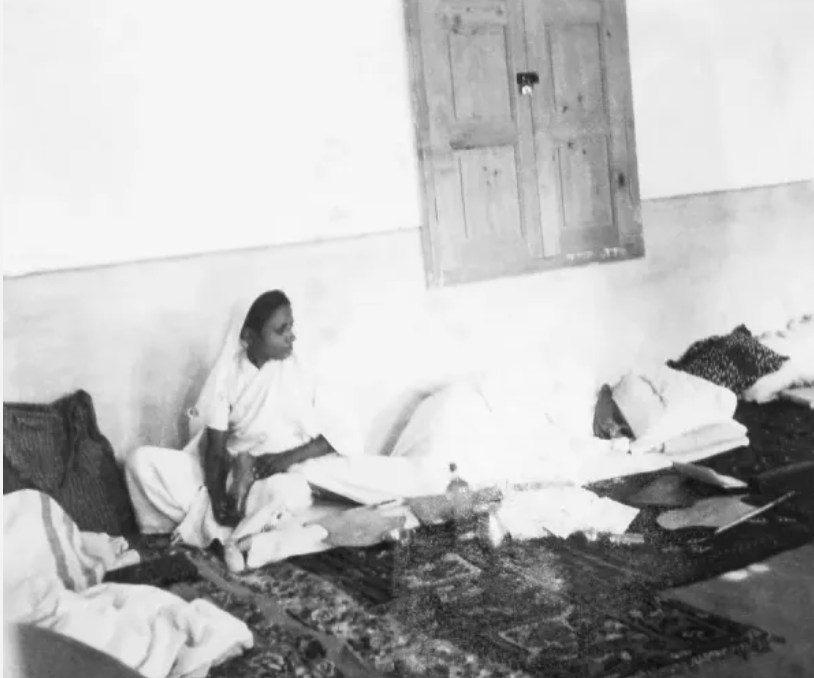
Amtul Salaam giving Gandhi a massage
Amtul Salaam giving Gandhi a massage, circa 1938. Such bodily service (seva
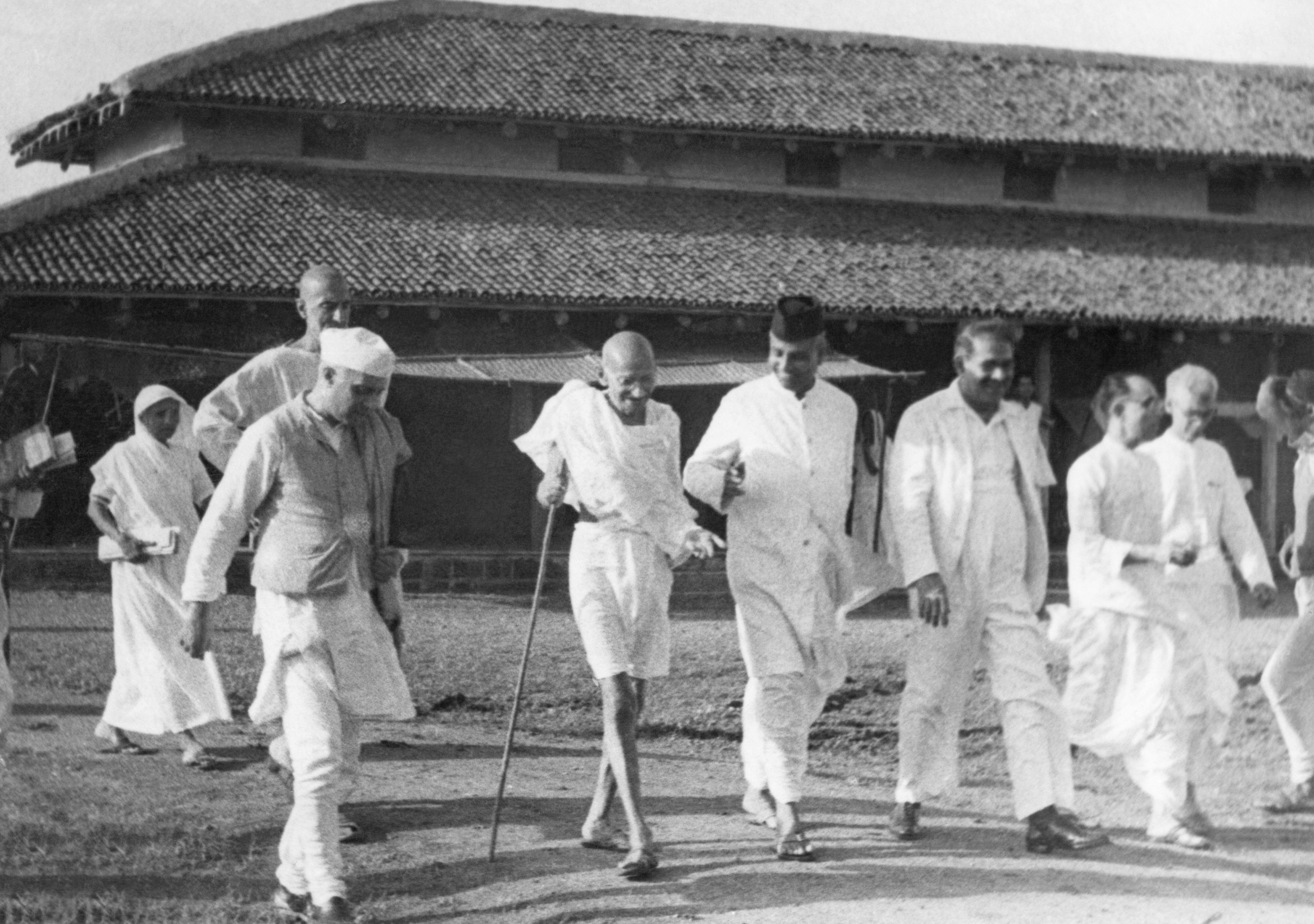
Gandhi with politicians at Sevagram Ashram
Politicians visiting Sevagram Ashram to consult with Gandhi and plan a civil disobedience campaign. Pictured in the photo are: Jawaharlal Nehru (
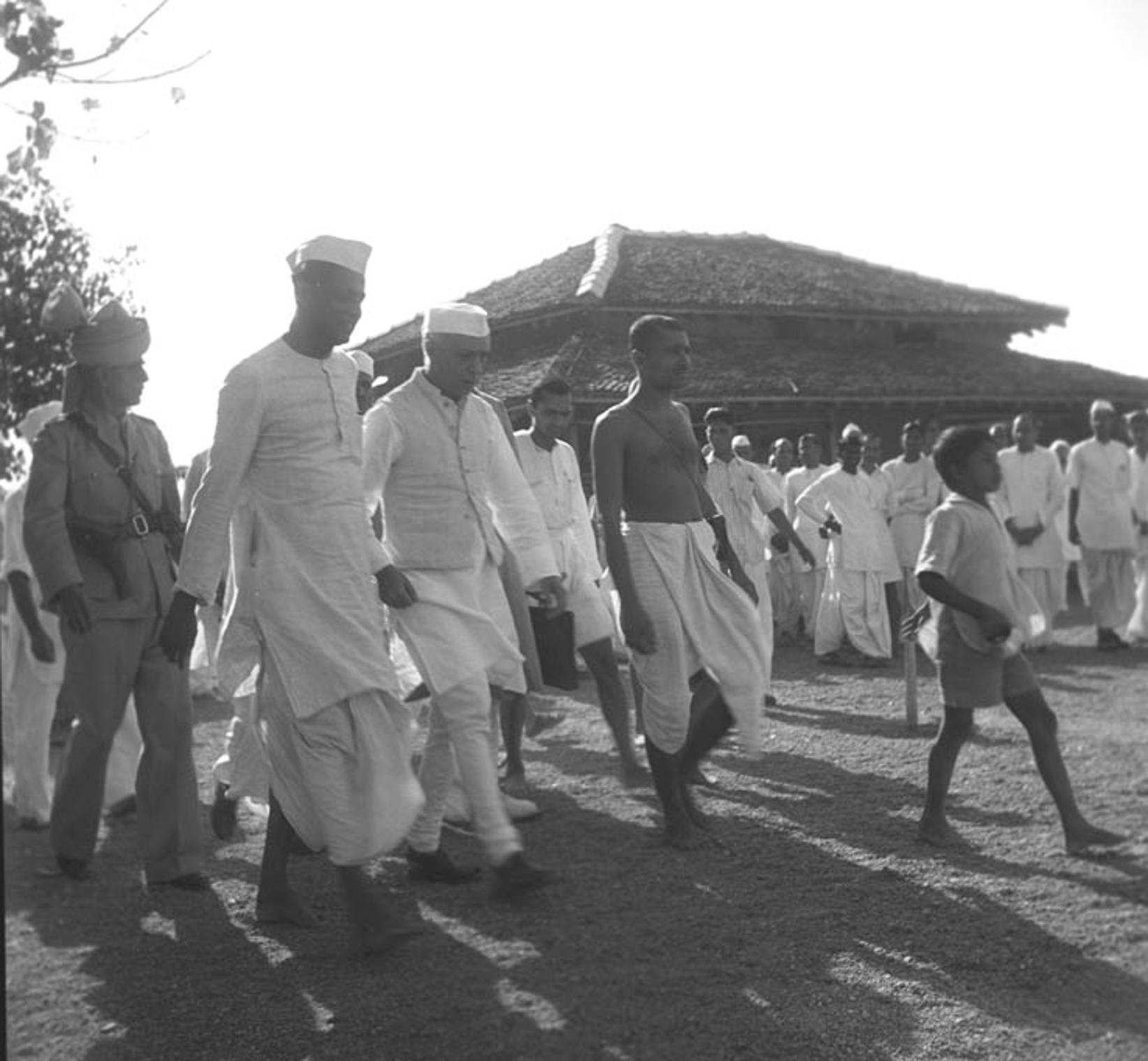
Jawaharlal Nehru visiting Sevagram Ashram
Jawaharlal Nehru and other politicians visit Sevagram Ashram. Jawaharlal Nehru later became the first Prime Minister of independent India.
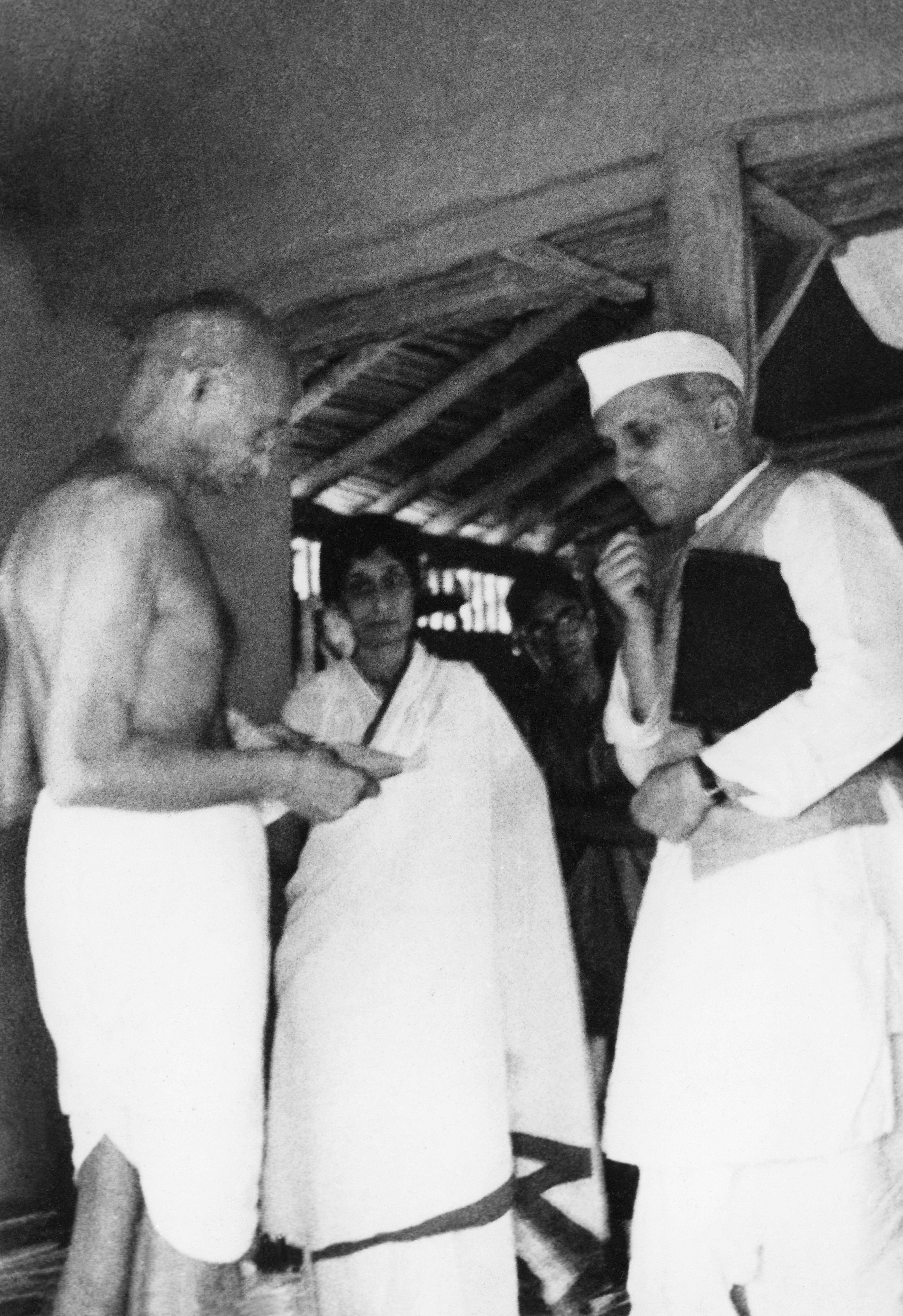
Jawaharlal Nehru with Gandhi and Amrit Kaur at Sevagram Ashram
Jawaharlal Nehru (who eventually became Prime Minister of India at independence) consulting with Gandhi and Amrit Kaur at Sevagram Ashram, circa
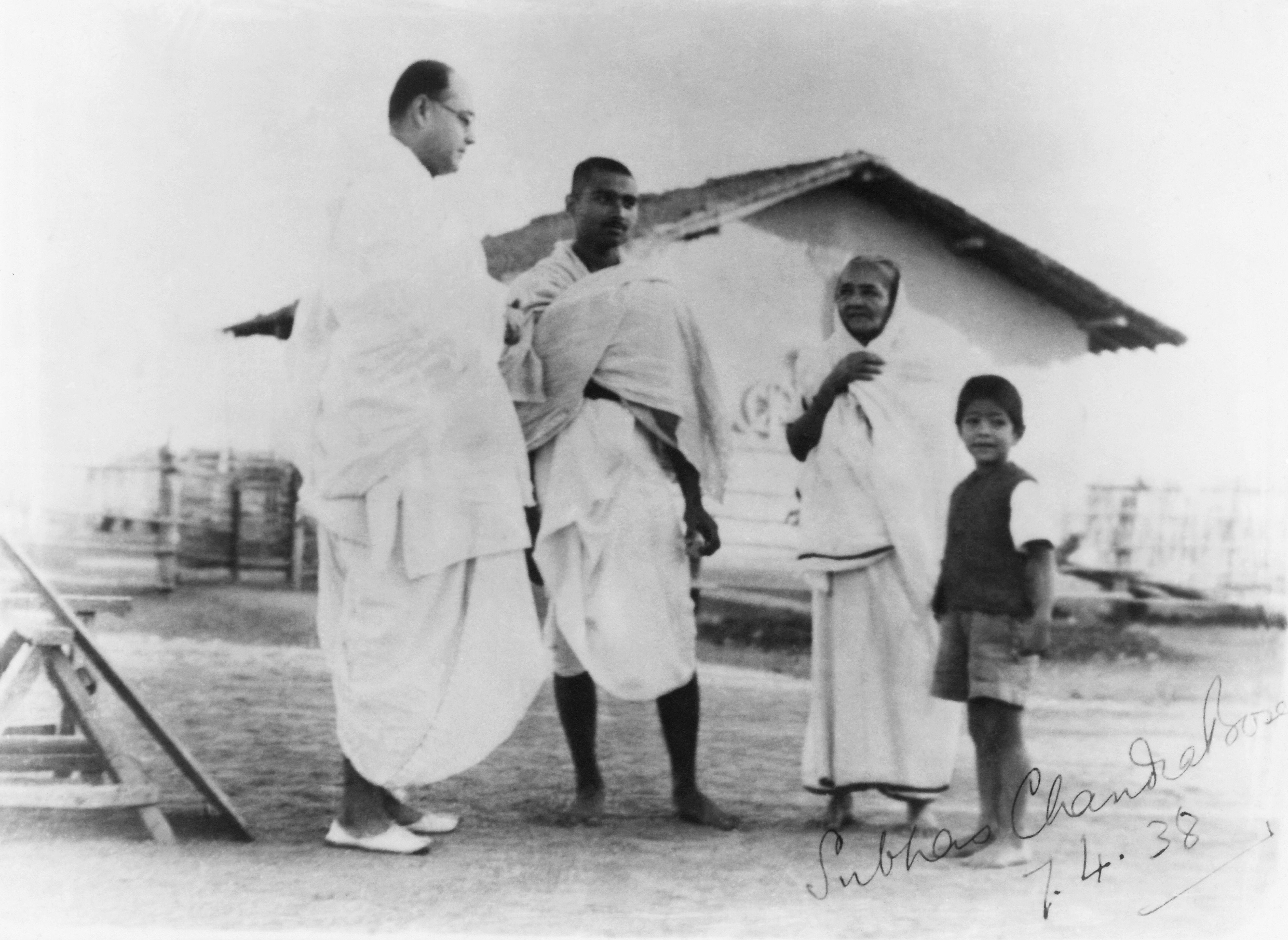
Subhas Chandra Bose visiting Sevagram Ashram
Subhas Chandra Bose visiting Sevagram Ashram, 1938. Subhas Chandra Bose was a politician and anticolonial nationalist. Subhas Chandra Bose stands
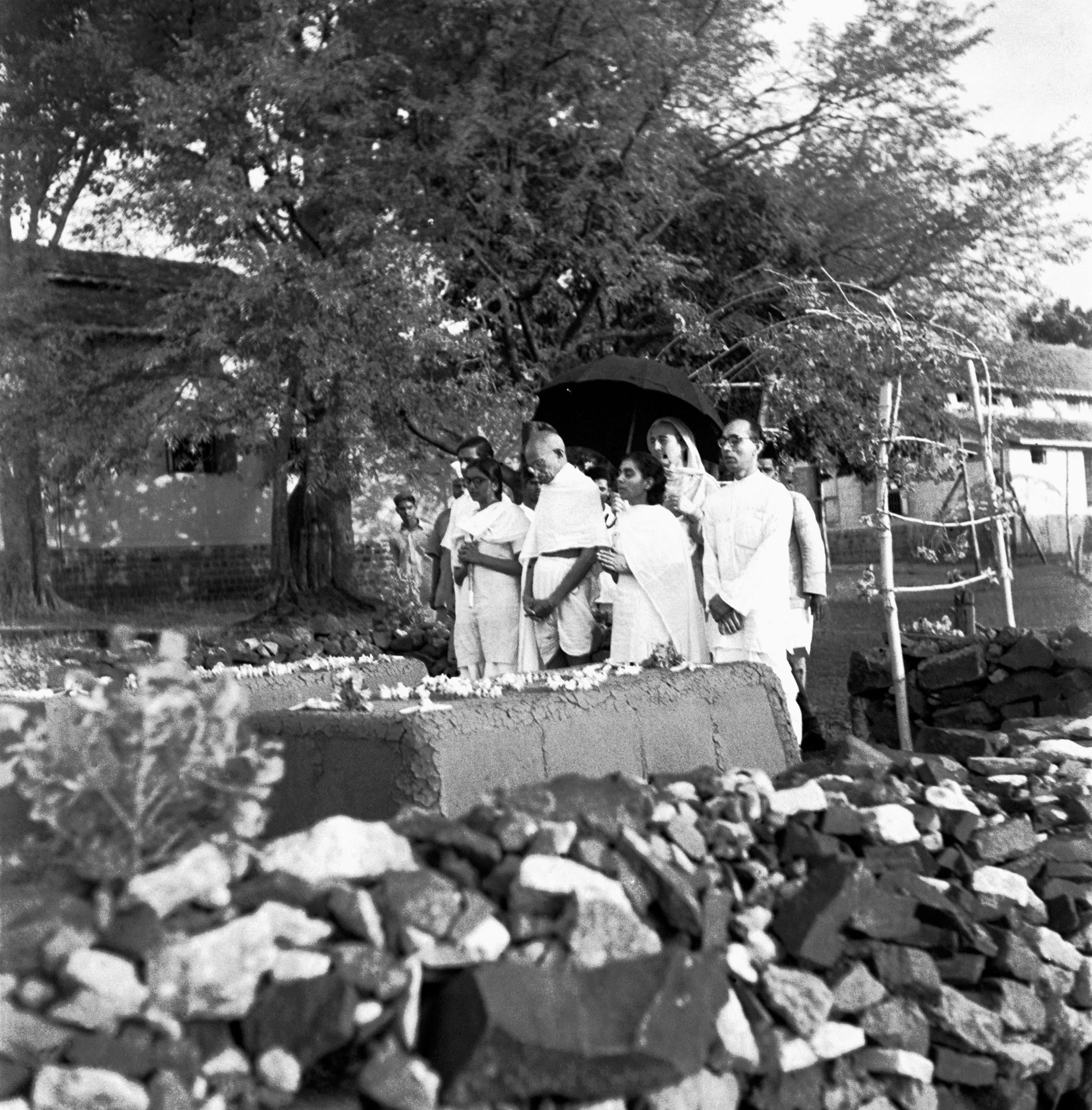
Mourning Kasturba Gandhi and Mahadev Desai
Gandhi and coresidents from Sevagram Ashram mourning the passing of Kasturba Gandhi and Mahadev Desai at the Aga Khan Palace prison, 1944.
Gandhi (Photographer)
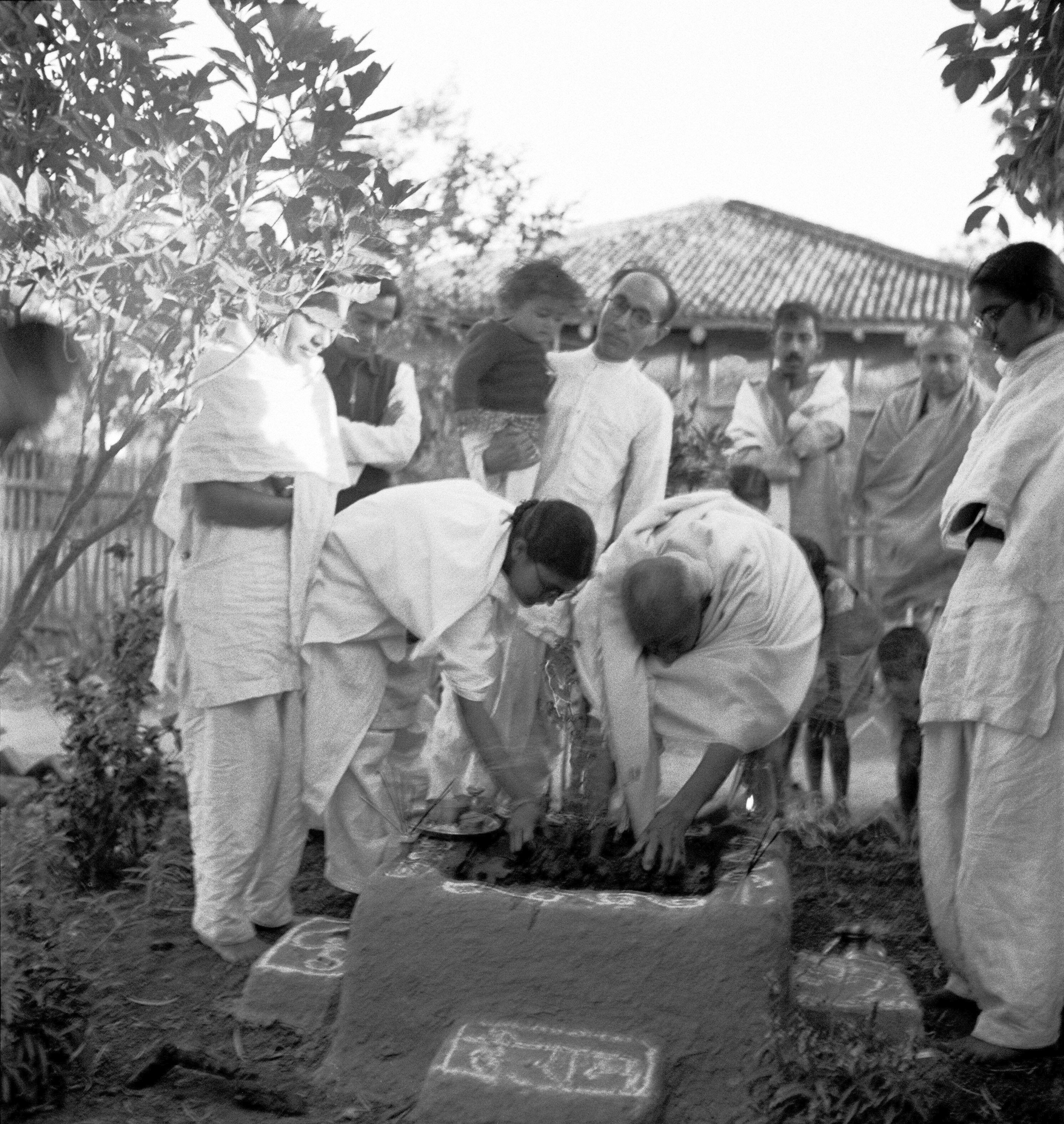
Gandhi and residents planting holy basil (tulsi)
Gandhi and coresidents planting holy basil (tulsi) at Sevagram Ashram in 1944. The holy basil was planted in memory of Kasturba Gandhi
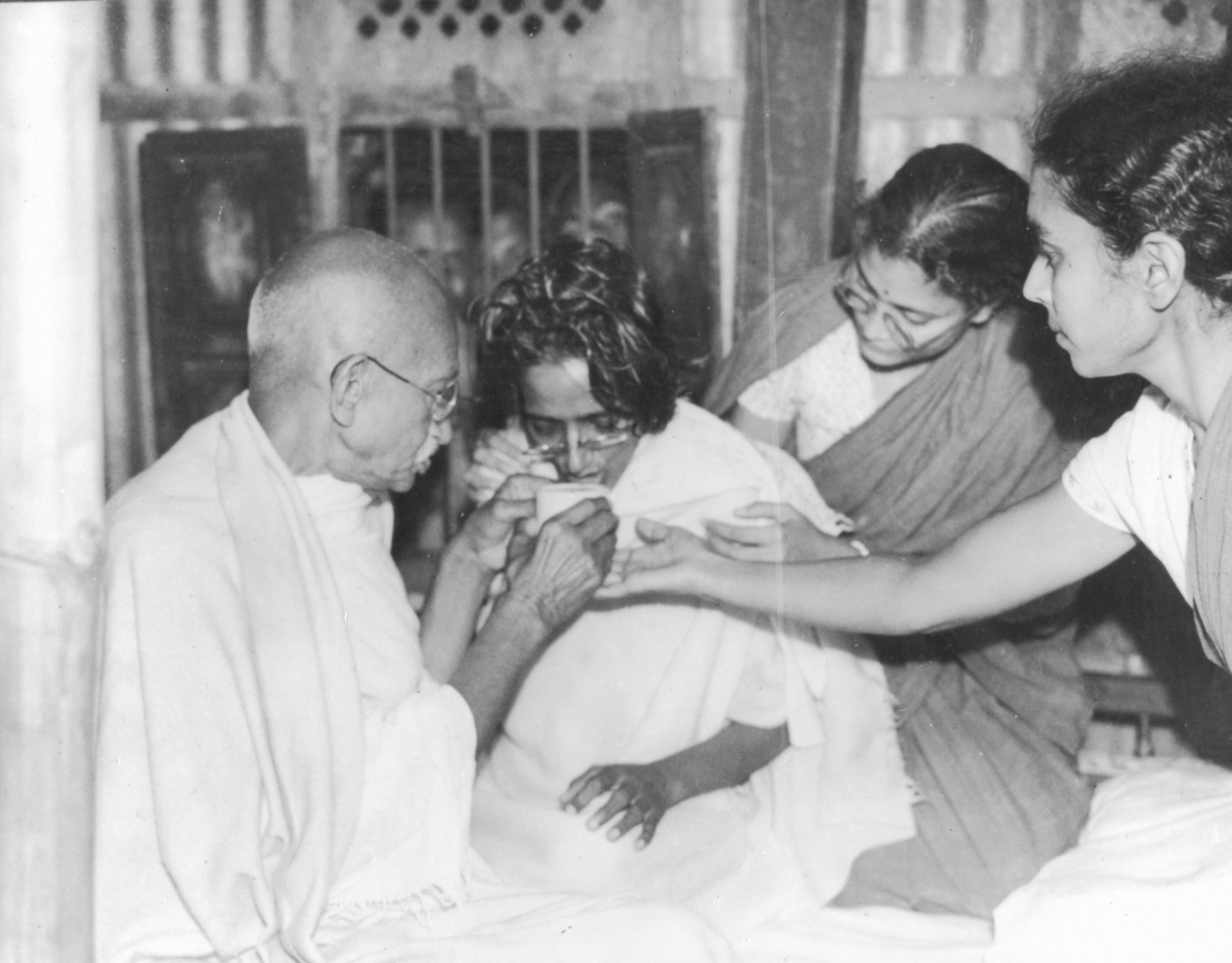
Amtul Salaam breaks her fast
Amtul Salaam breaks her fast, 1947. After riots broke out between Hindus and Muslims at the time of independence, Gandhi was not the only one who
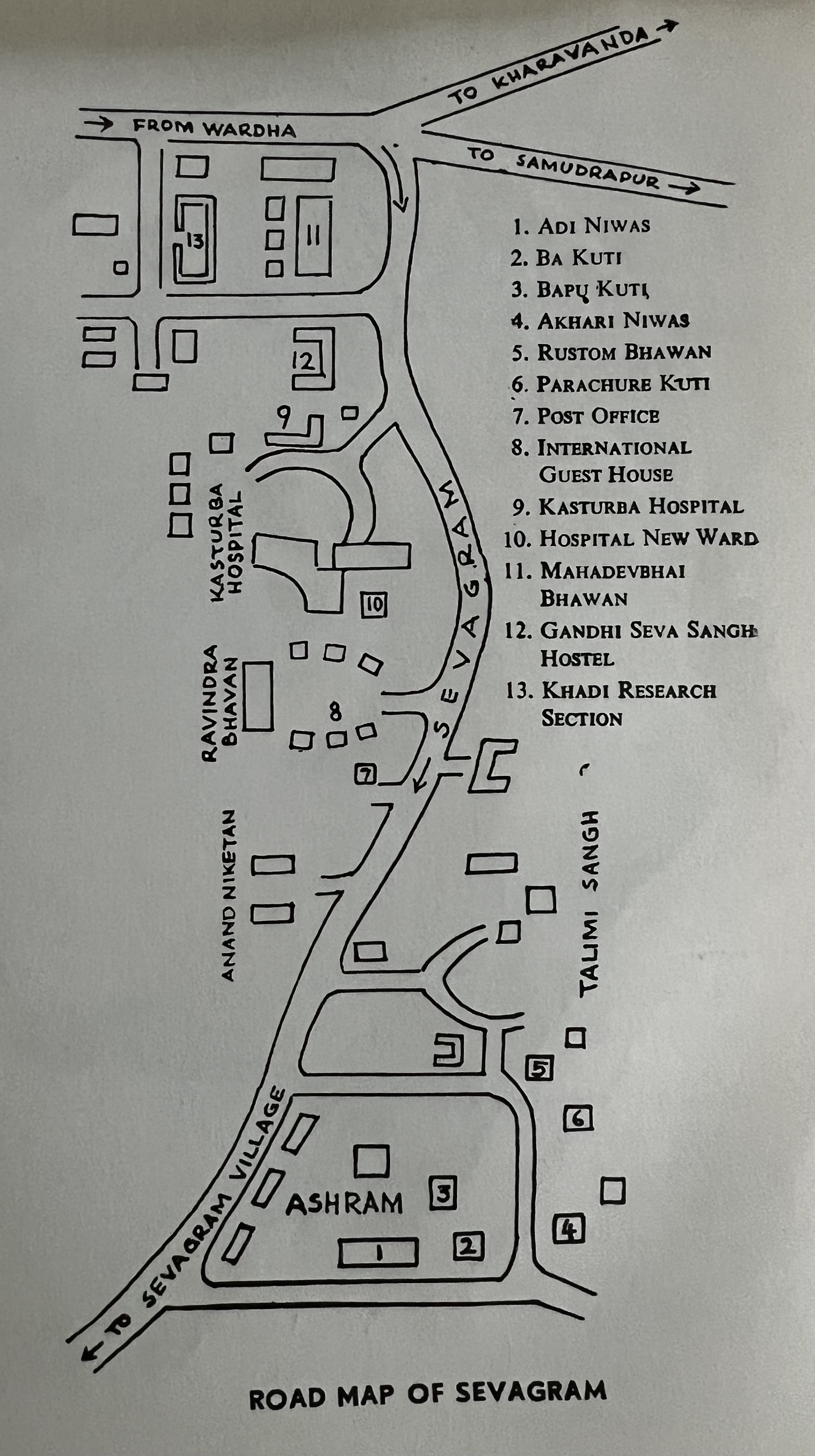
Sevagram Ashram map
Map of the Sevagram Ashram grounds. Not included: the newer addition of the Yatri Niwas tourist accommodation area.
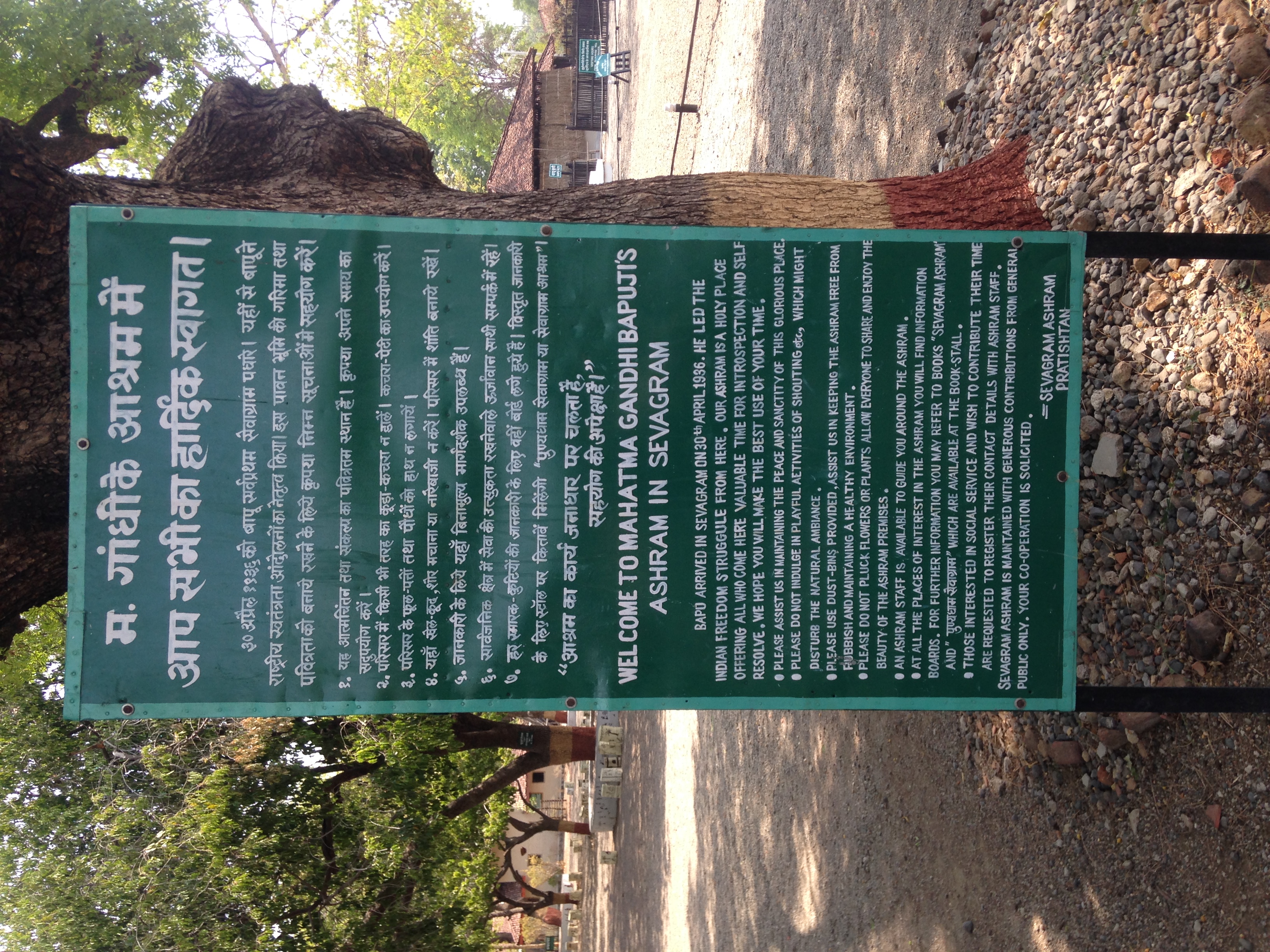
Welcome sign at Sevagram Ashram
Welcome sign at Sevagram Ashram. Written in both Hindi and English, the sign emphasizes that Sevagram Ashram is both a historic place of national
McLain (Photographer)
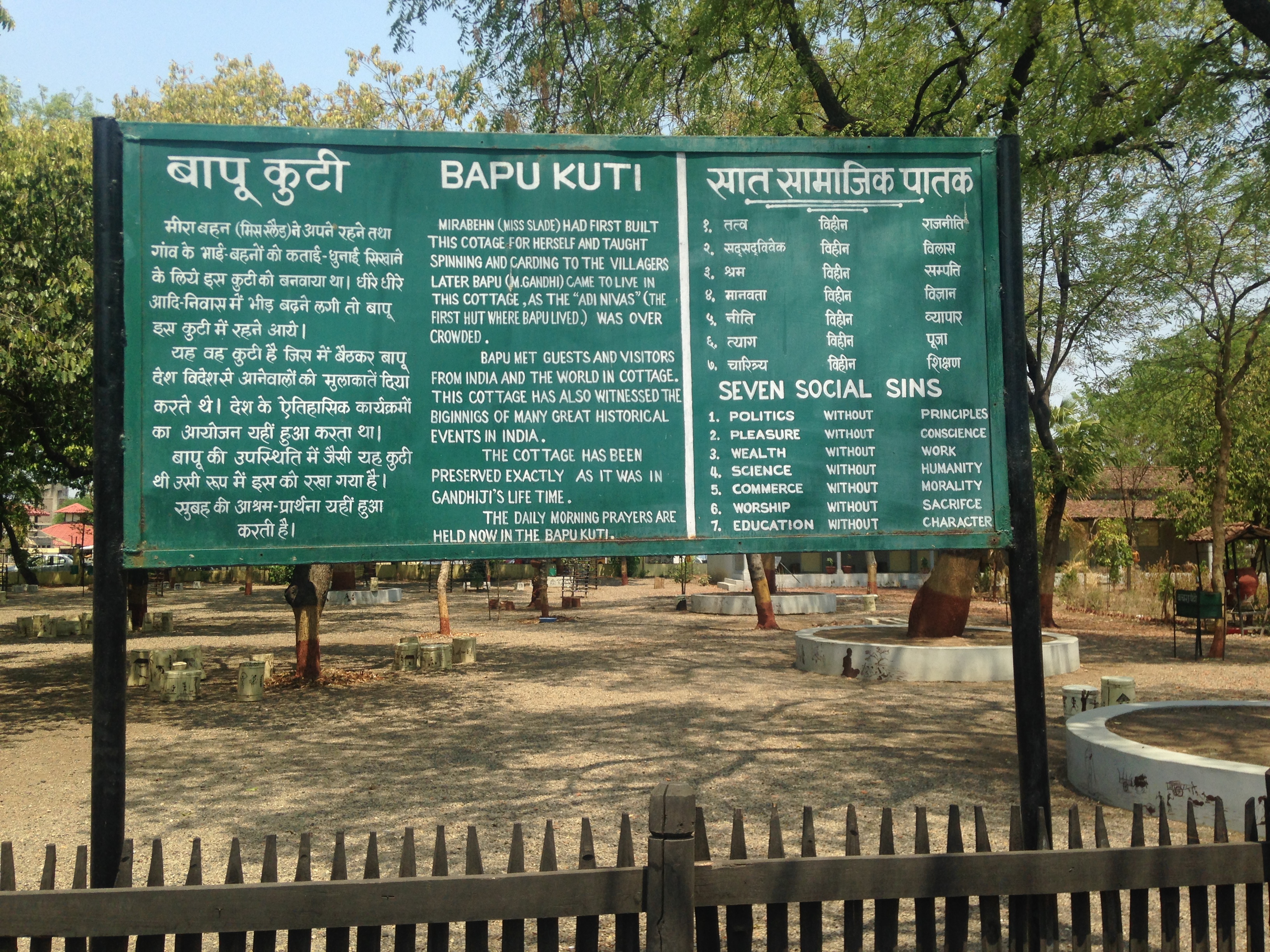
Bapu Kuti sign
"Bapu Kuti" sign at Sevagram Ashram. This sign explains the significance of "Bapu Kuti" as Gandhi's residence at Sevagram Ashram, emphasizing that
McLain (Photographer)
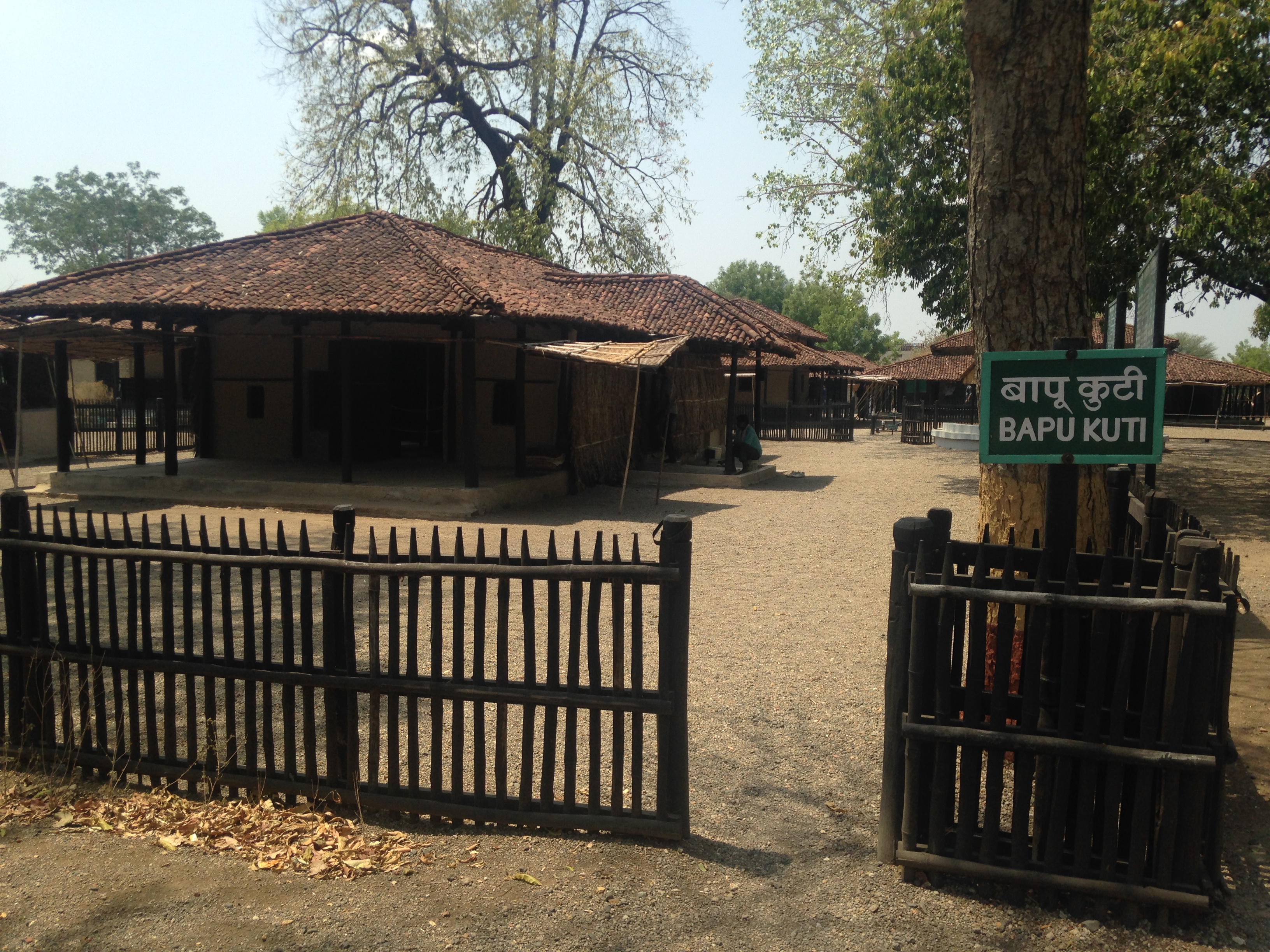
Bapu Kuti exterior 1
Gandhi's cottage, "Bapu Kuti," at Sevagram Ashram. Today this house is preserved as a heritage site. In the decades since Gandhi lived here, a
McLain (Photographer)
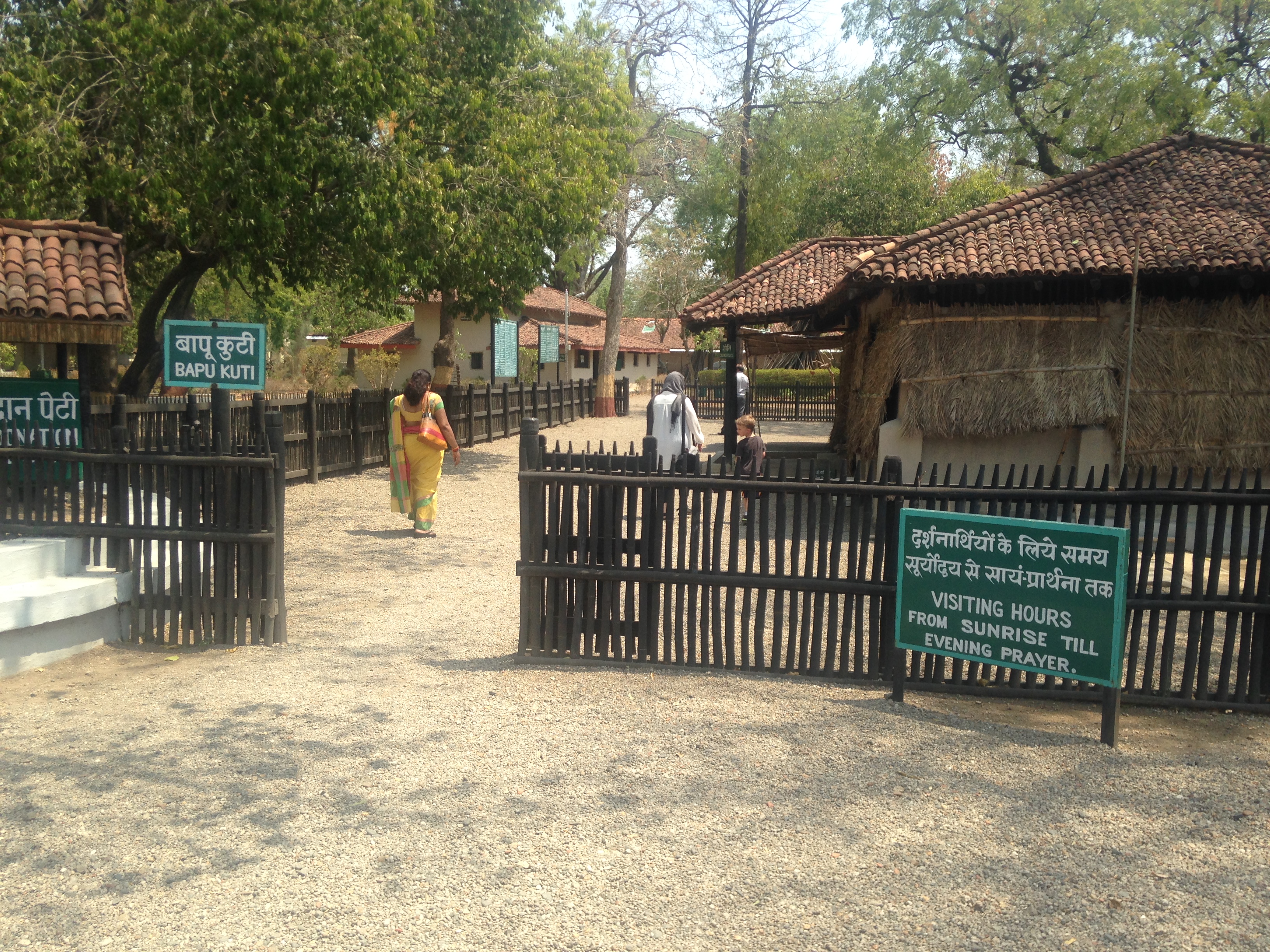
Bapu Kuti exterior 2
Exterior of "Bapu Kuti," Gandhi's Cottage at Sevagram Ashram.
McLain (Photographer)