
Harilal Gandhi
Gandhi, Harilal
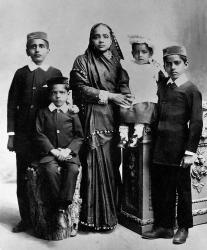
Description
Harilal Gandhi (1888-1948) was born in Rajkot, India. He was the eldest son of Gandhi and Kasturba. As a young man, Harilal lived at Phoenix Settlement from 1906-1910, and then at Tolstoy Settlement from 1910-1911. From an early age Gandhi began training Harilal to lead civil disobedience movements. In 1908, when Gandhi and his coresidents at Phoenix Settlement began to plan their protest of the Asiatic Registration Act, Gandhi selected nineteen-year-old Harilal to lead it. Harilal was first arrested for civil disobedience in July of 1908. Gandhi served as his lawyer in court, and requested that Harilal receive the maximum sentence. Harilal was imprisoned for seven days with hard labor. Gandhi wrote in his Indian Opinion newspaper that going to jail was an important part of Harilal’s education, and he encouraged others to follow in Harilal’s footsteps and flood the jails in protest of the unjust Asiatic Registration Act.
After his first arrest, Harilal was imprisoned for civil disobedience five additional times during his years in South Africa, and each prison sentence he received was longer than the previous one. Phoenix settlers began to refer to him as “Chhote Gandhi” (“Little Gandhi”) in reference to his willingness to endure prison just like his father. In 1910, after just being released from a six-month stay in prison, Harilal and his brother Manilal joined Gandhi and Hermann Kallenbach at Tolstoy Farm, where they began preparing this second intentional community for additional inhabitants. Gandhi upheld Harilal and Manilal as exemplars, teaching the youth at Tolstoy Farm that just as he and his sons had done, so too could they survive time in jail, and ideally even learn to thrive there. Gandhi recruited Harilal to give regular talks to the community members about what to expect while incarcerated.
By 1911, Harilal concluded that he did not want to live at Tolstoy Farm any longer, nor did he want to spend additional time in prison. Harilal had repeatedly asked his father to send him to England for professional education, but Gandhi repeatedly told Harilal that an education on the farm and in prison was sufficient for him and his younger brothers. In May of 1911, Harilal confronted his father, and decided to leave South Africa and sail home to India. Unfortunately, the relationship between Gandhi and his son Harilal never recovered.