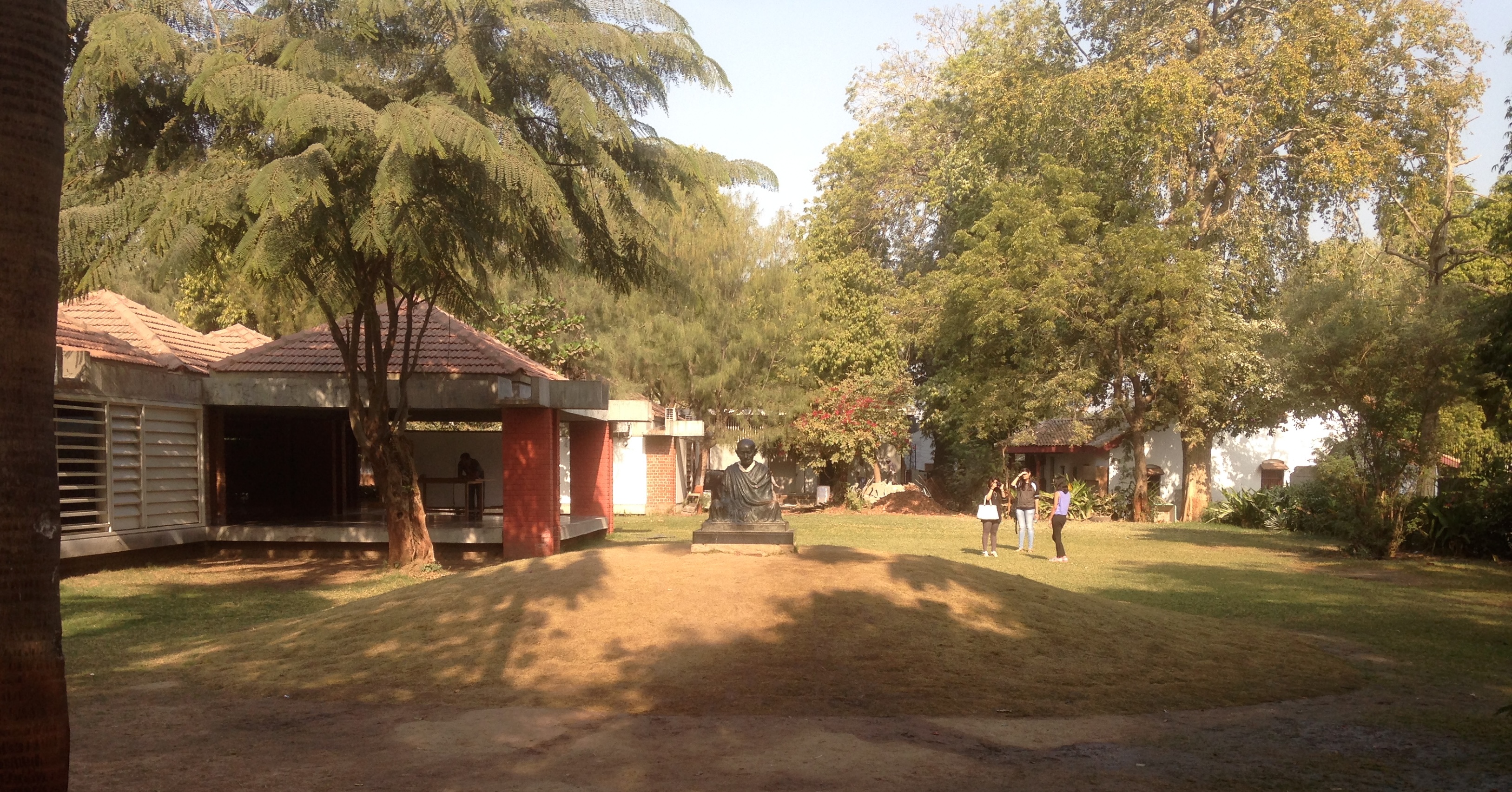
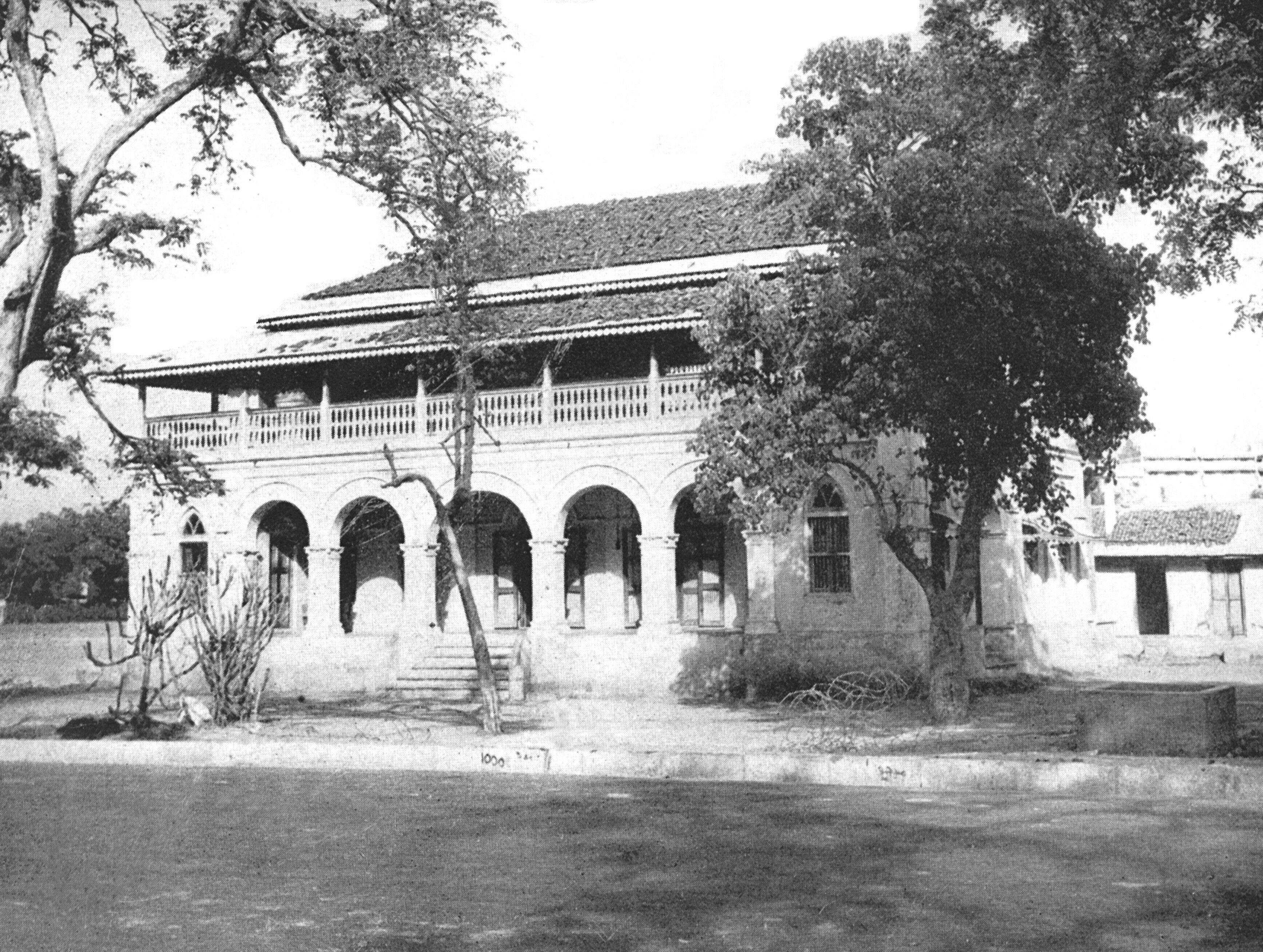
Kochrab Bungalow
The Kochrab Bungalow was where Gandhi and approximately twenty-five coresidents who had come to India from Gandhi's communities in South Africa
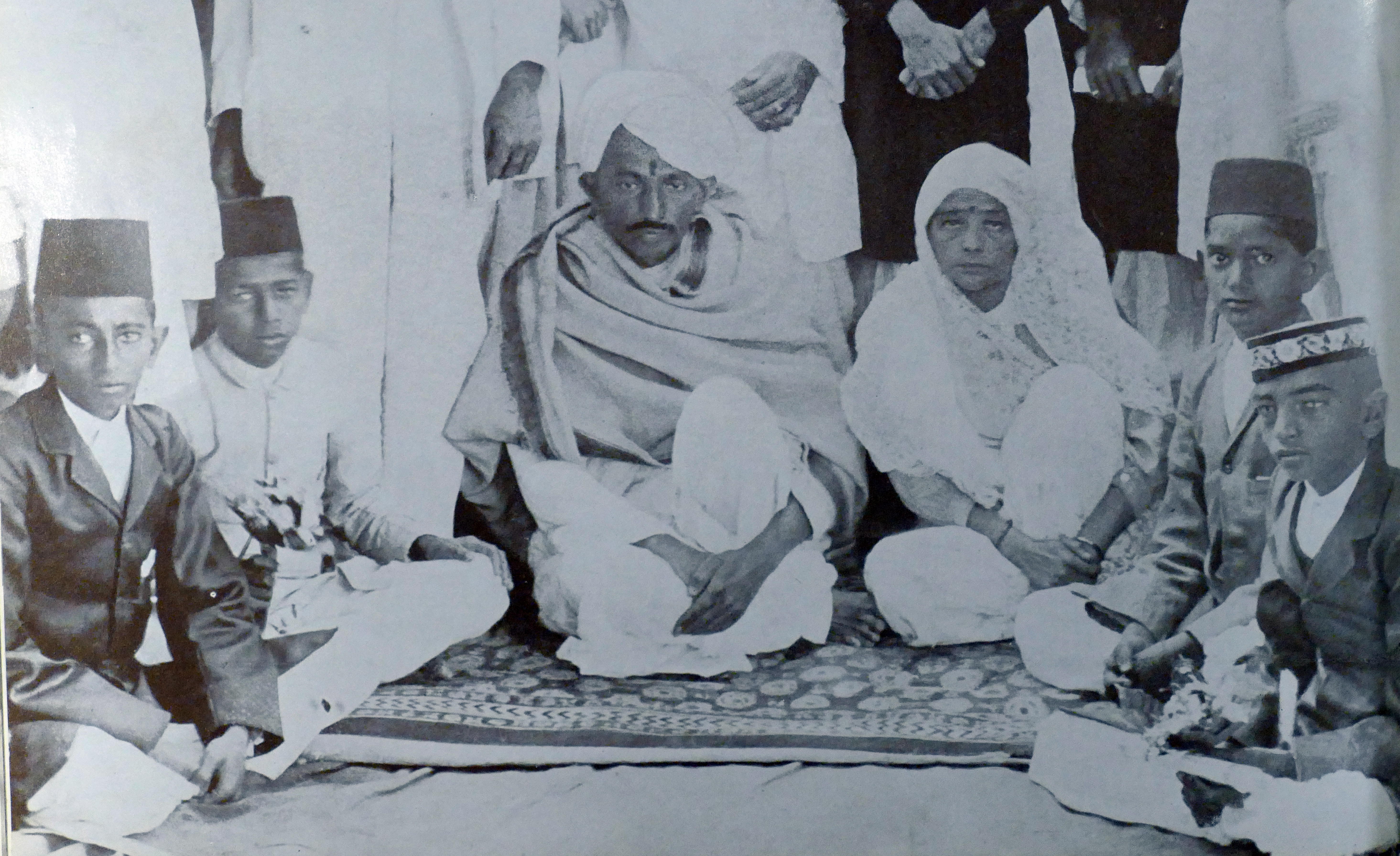
Gandhi and Kasturba 1915
Gandhi and Kasturba returning to India in 1915 after living in South Africa for twenty-one years. Approximately 25 of his coresidents from
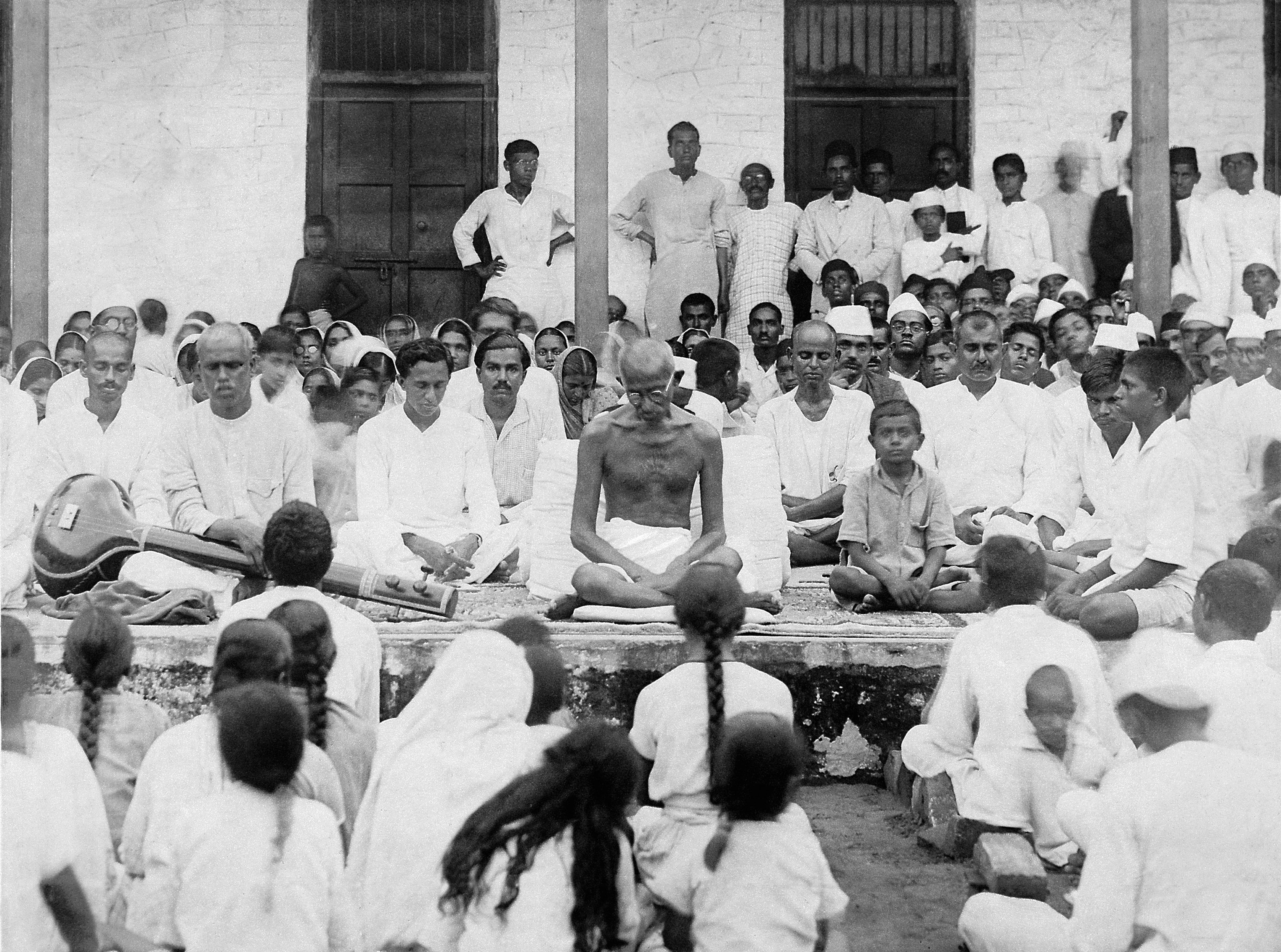
Sabarmati Ashram prayer session
Gandhi and coresidents gathered for the daily ecumenical prayer session at Sabarmati Ashram, circa 1930. The community regularly read scripture
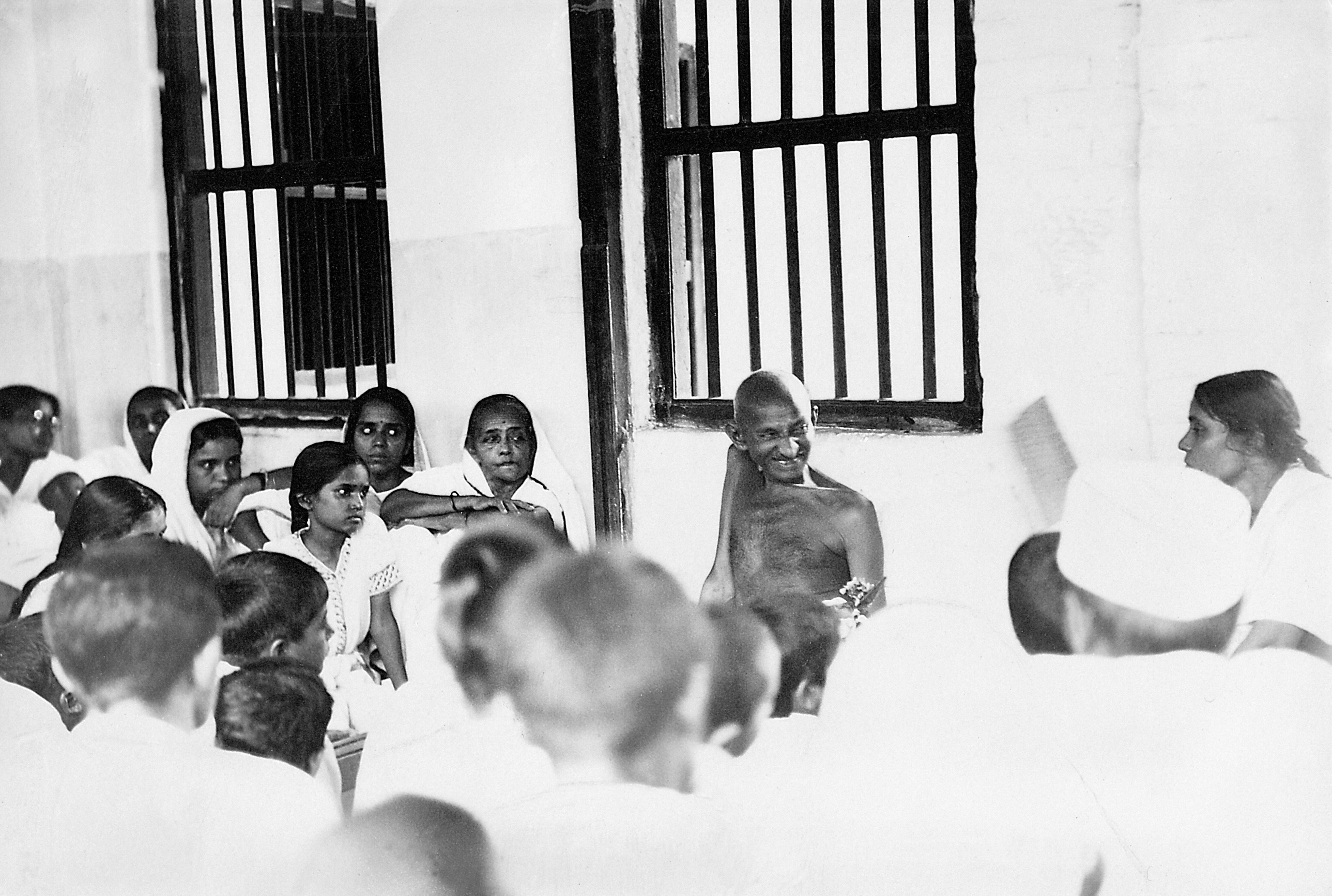
Gandhi Teaching
Gandhi and Kasturba teaching the children in residence at Sabarmati Ashram, circa 1929. Lakshmi Dafda Sharma is the student reading aloud to the
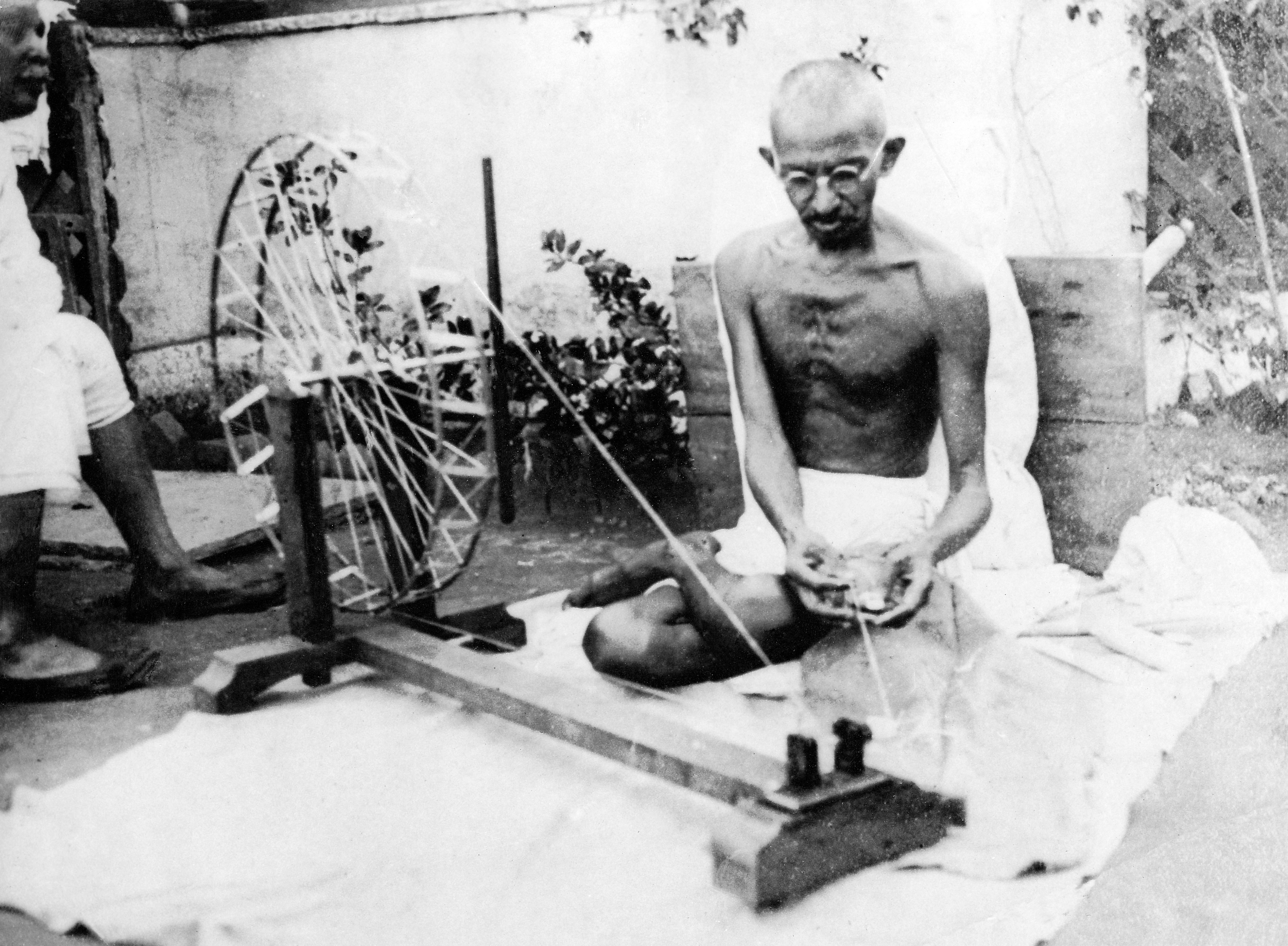
Gandhi Spinning
Gandhi spinning "khadi" (homespun cotton) on his spinning wheel at Sabarmati Ashram, circa 1925. All residents were expected to spin for an hour

Gandhi and Lakshmi
Gandhi walking with Lakshmi Dafda Sharma, circa 1919. Lakshmi was Gandhi's "adopted" Dalit ("untouchable") daughter, and she and her parents were
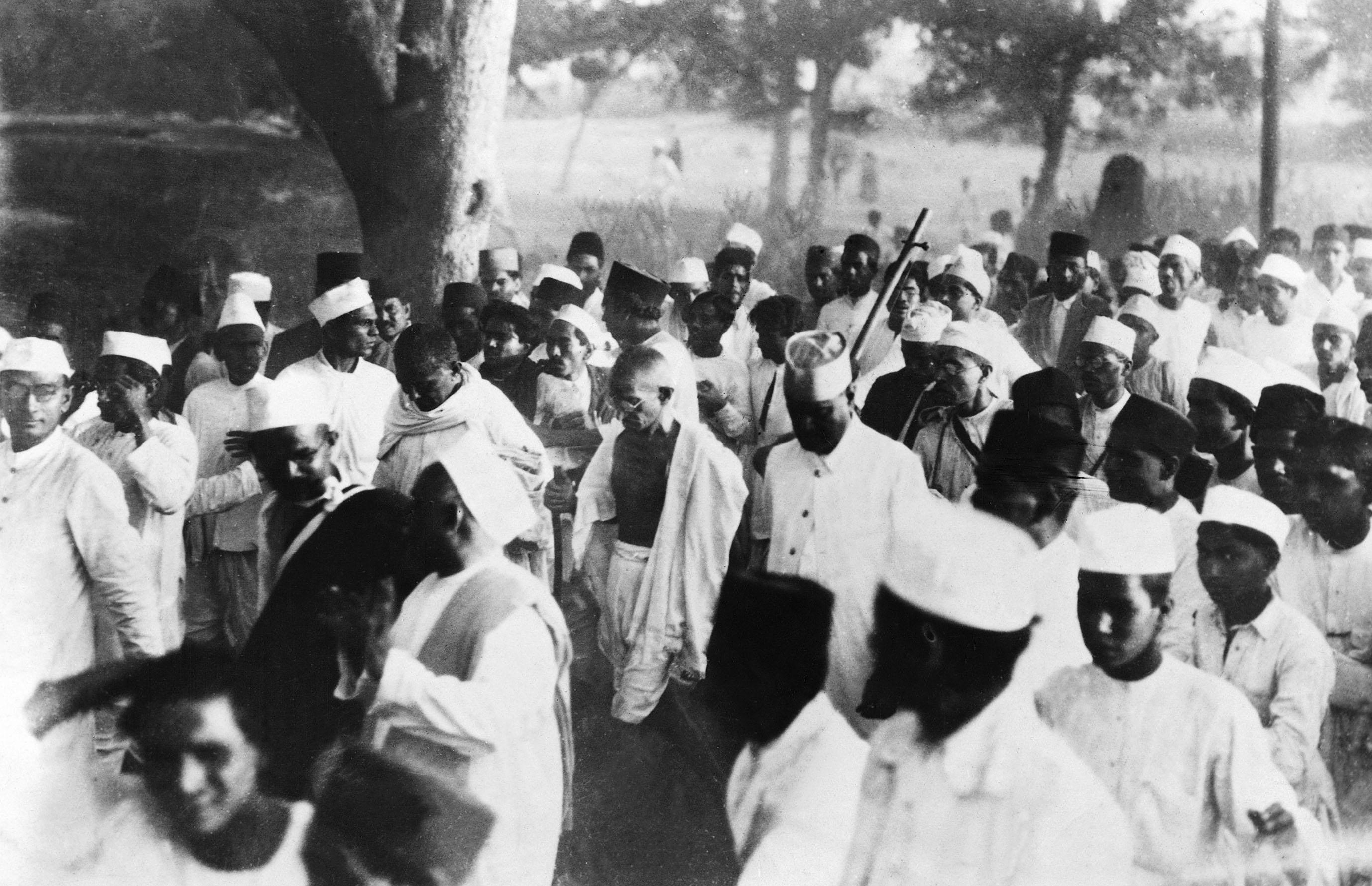
Salt March 1930, 1
Gandhi and seventy-eight coresidents from Sabarmati Ashram leading the Salt March in 1930. The Salt March launched a nationwide anticolonial civil

Salt March 1930, 2
Gandhi and seventy-eight coresidents leading the Salt March from Sabarmati Ashram, 1930.

Salt March 1930, 3
Gandhi and Kasturba during the Salt Satyagraha, 1930. Gandhi initially led the Salt March with 78 male coresidents from Sabarmati Ashram. He then

Salt March 1930, 4
Gandhi leading the evening ecumenical prayer session during the Salt March civil resistance campaign, 1930. Here Gandhi sits under the tree,


Reginald Reynolds, 1930s
Reginald Reynolds, conversing as he leans out the window of a train in the 1930s.
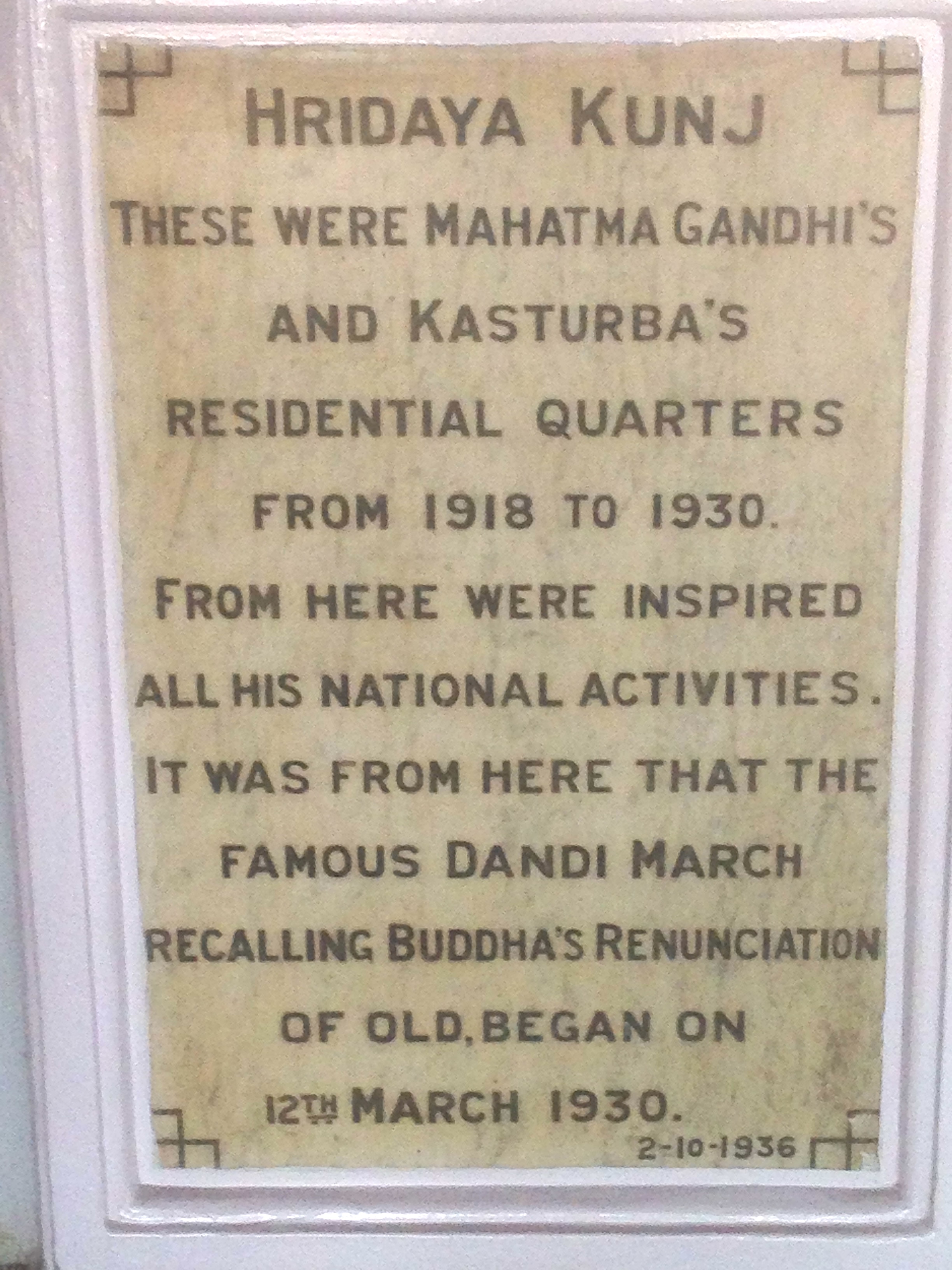
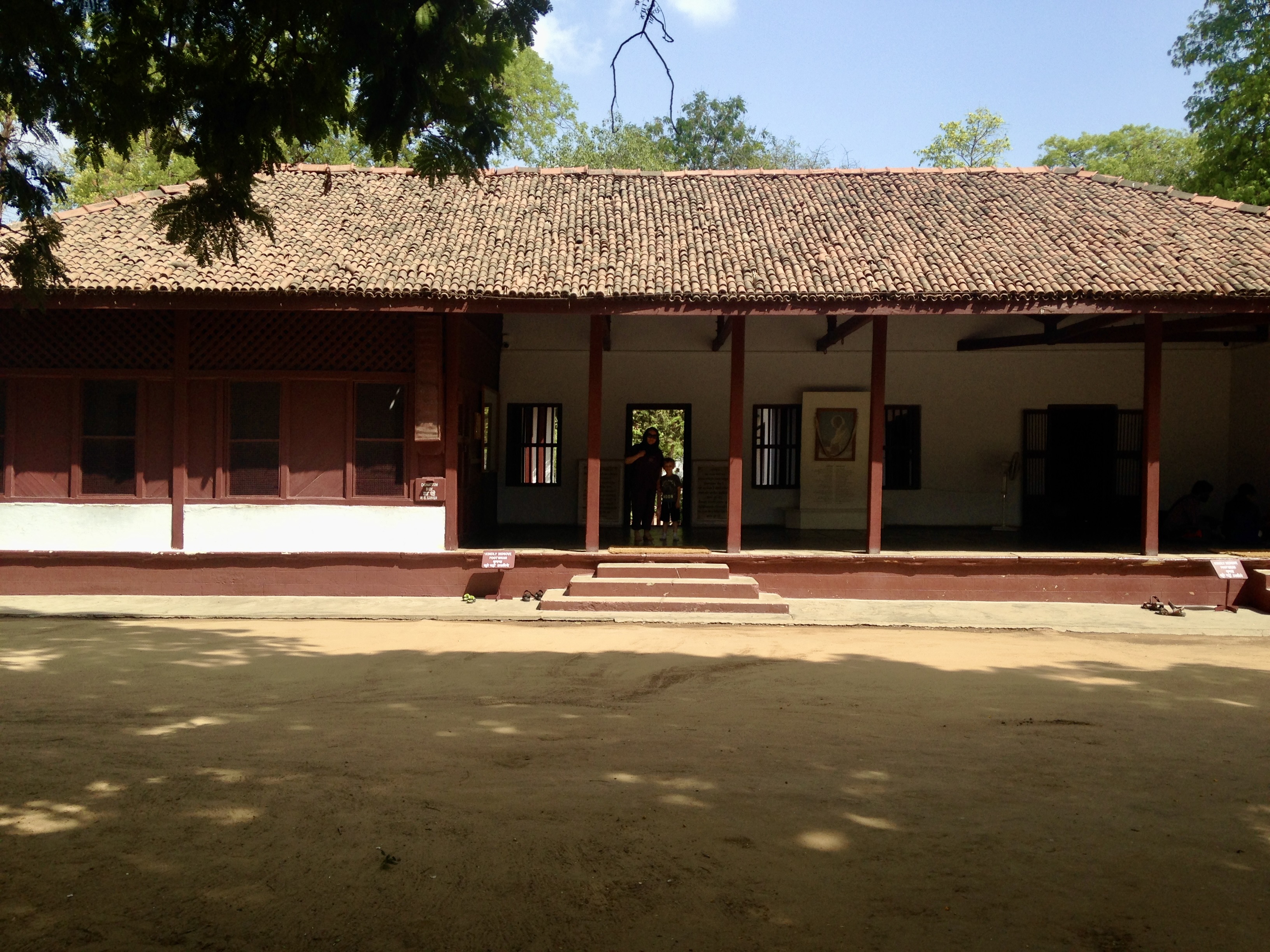
Hridaya Kunj
"Hridaya Kunj," the home of Gandhi and Kasturba at Sabarmati Ashram.
McLain (Photographer)
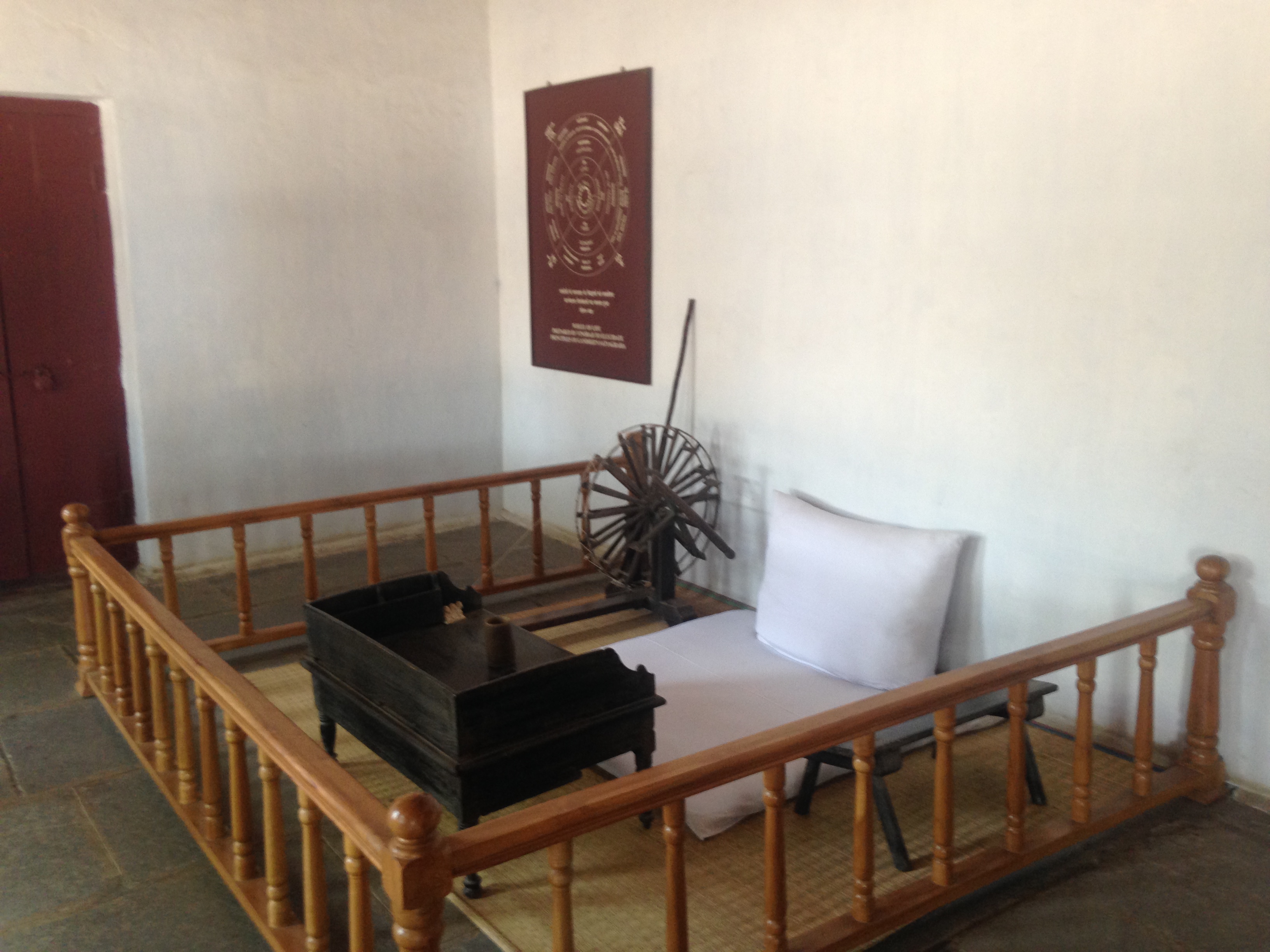
Hridaya Kunj veranda
Veranda of "Hridaya Kunj," Gandhi and Kasturba's house at Sabarmati Ashram.
McLain (Photographer)

Sabarmati Ashram rules
Display featuring the rules that all residents agreed to abide by while living at Sabarmati Ashram. This display hangs on the veranda of the
McLain (Photographer)
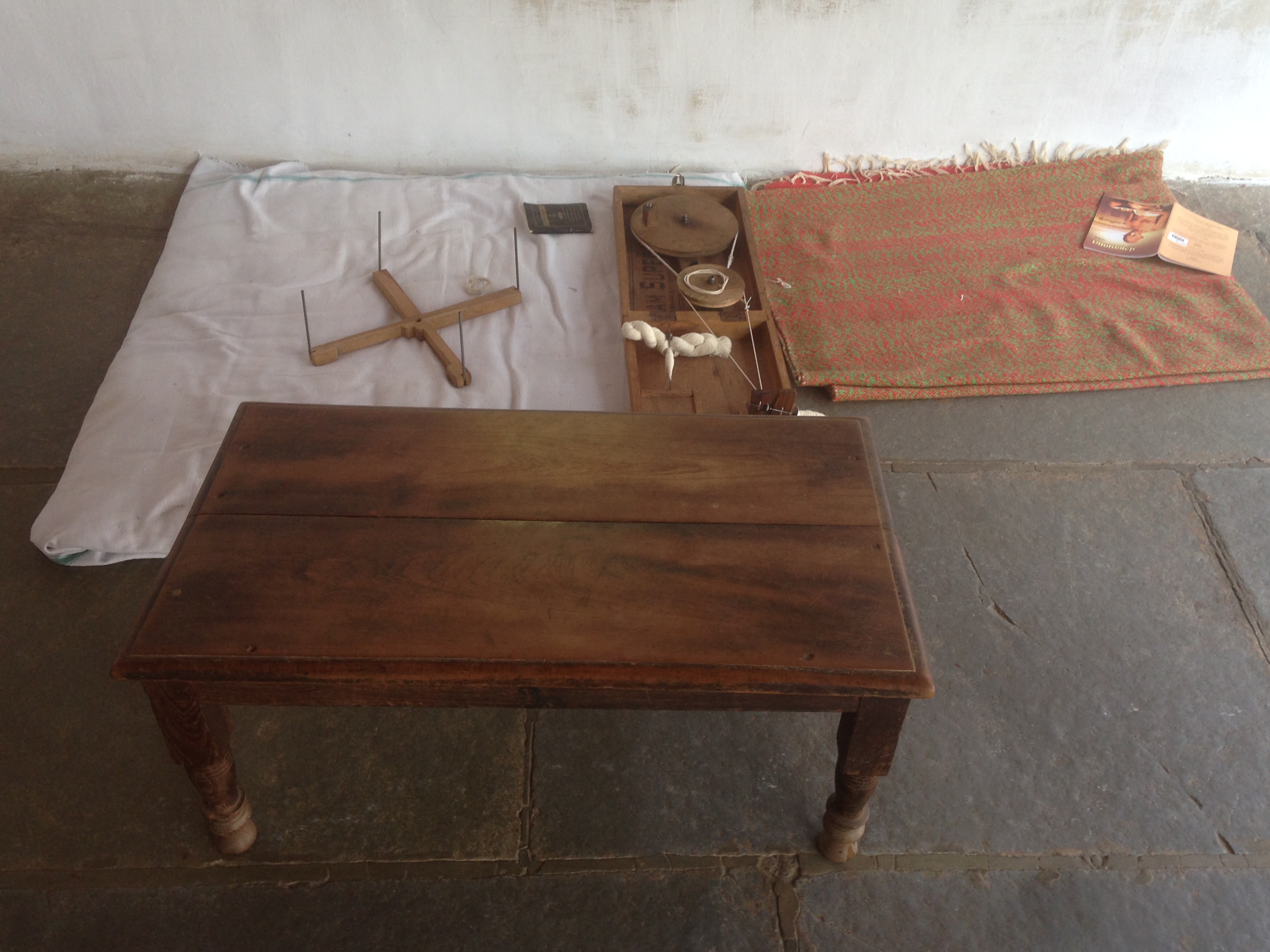
Gandhi's desk and portable spinning wheel
Gandhi's desk and portable spinning wheel, or "box charkha," at his home at Sabarmati Ashram.
McLain (Photographer)
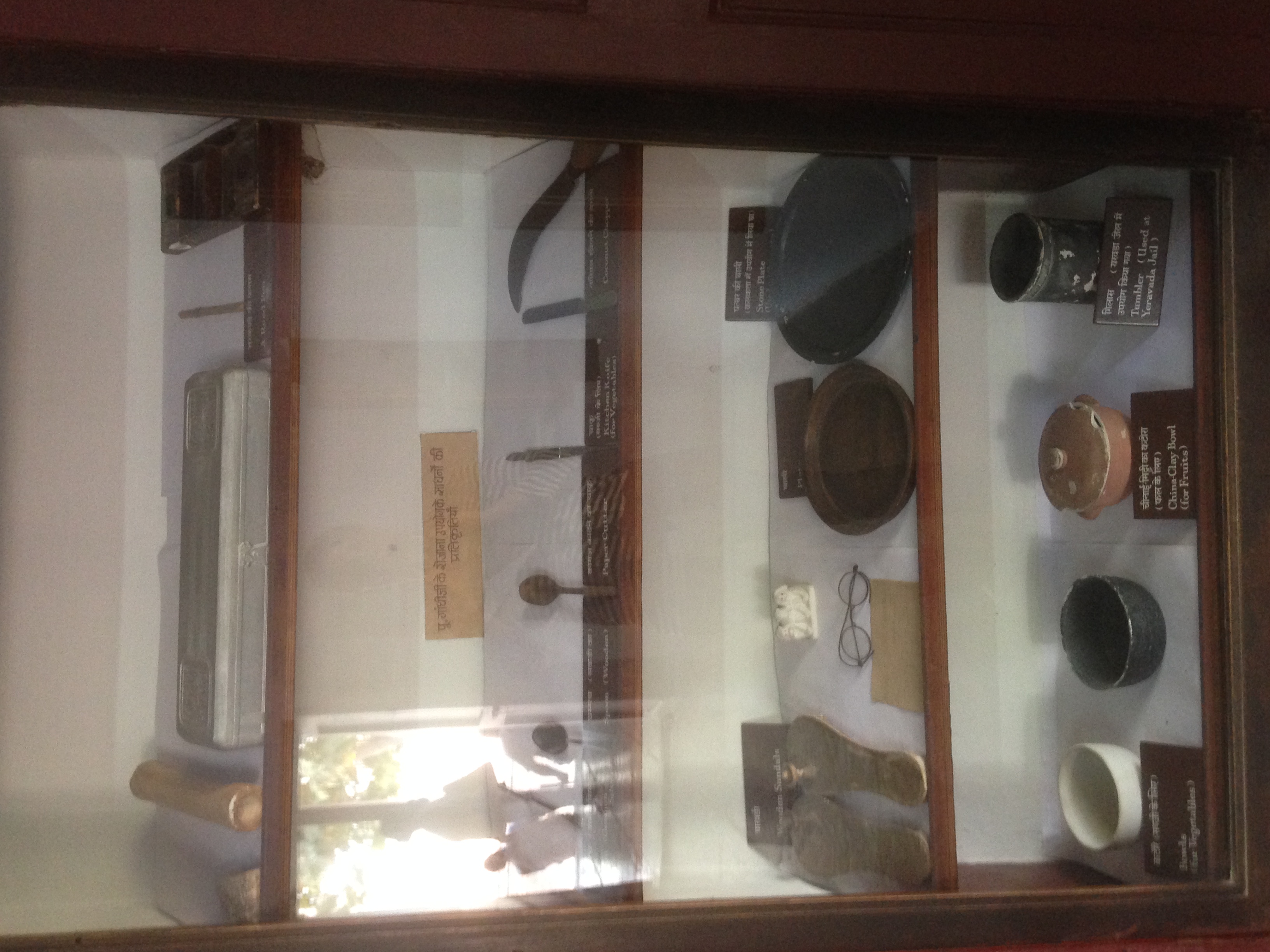
Gandhi's possessions
Display case at Sabarmati Ashram featuring some of Gandhi's minimalist possessions.
McLain (Photographer)

Upasana Mandir sign
The sign for the prayer ground, "Upasana Mandir," at Sabarmati Ashram. The community members gathered here in the morning and evening for
McLain (Photographer)
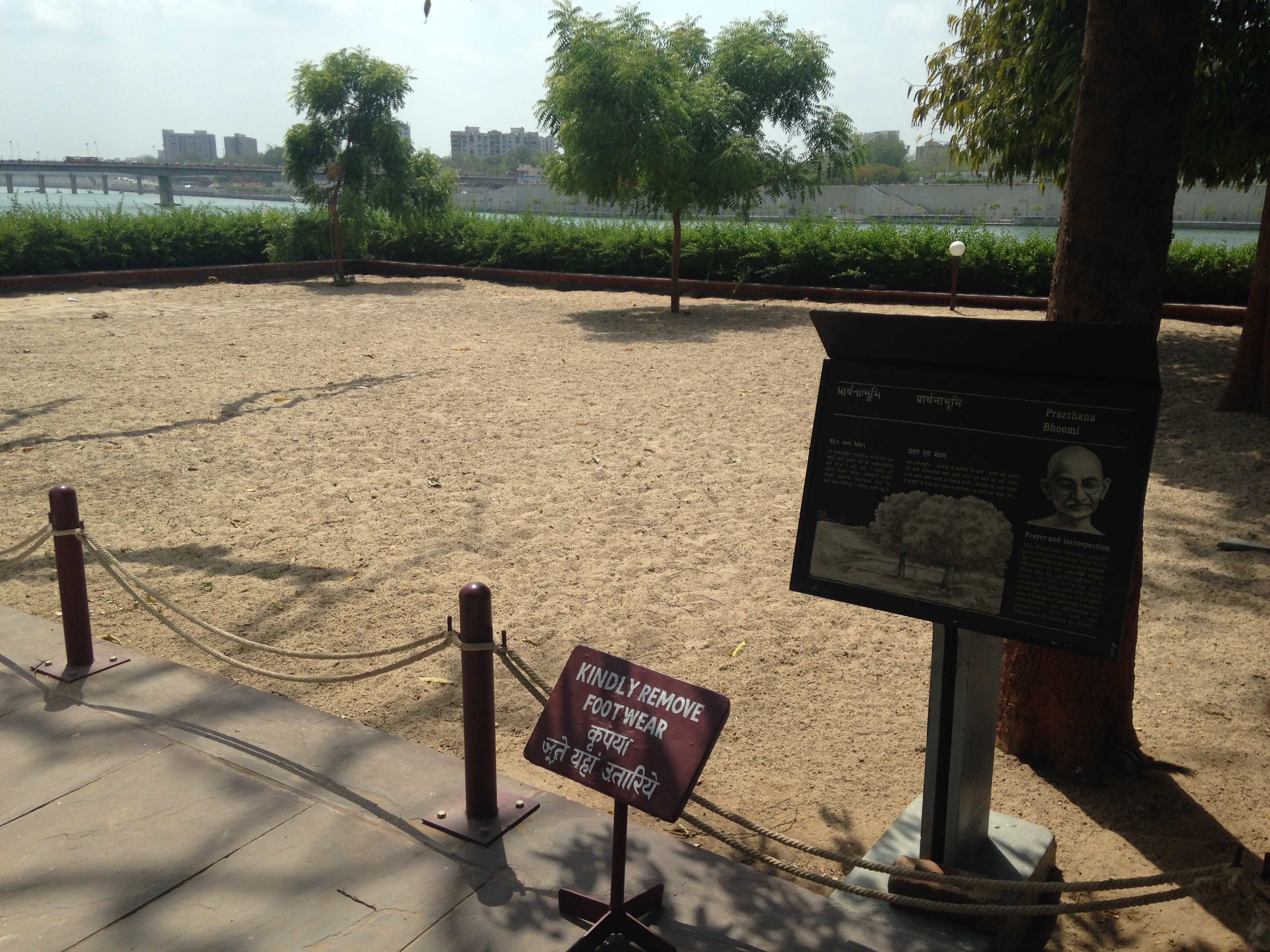
Upasana Mandir (Prayer Ground)
"Upasana Mandir," the prayer ground at Sabarmati Ashram. Here the community members gathered in the mornings and evenings for ecumenical prayers
McLain (Photographer)

Sabarmati River from the Prayer Ground
View of the Sabarmati River from the Upasana Mandir / Prayer Ground. The community members gathered here in the morning and evening for ecumenical
McLain (Photographer)

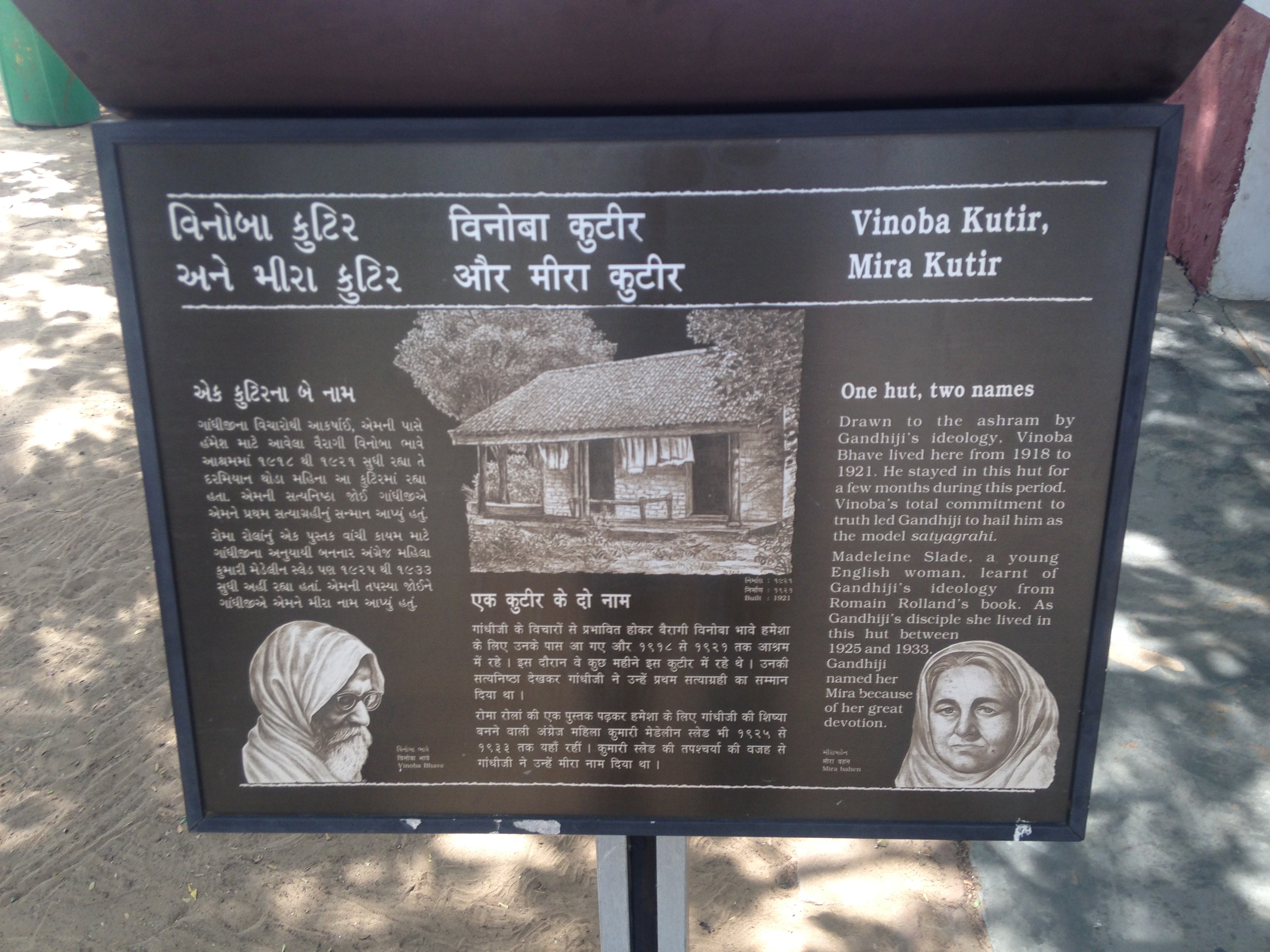
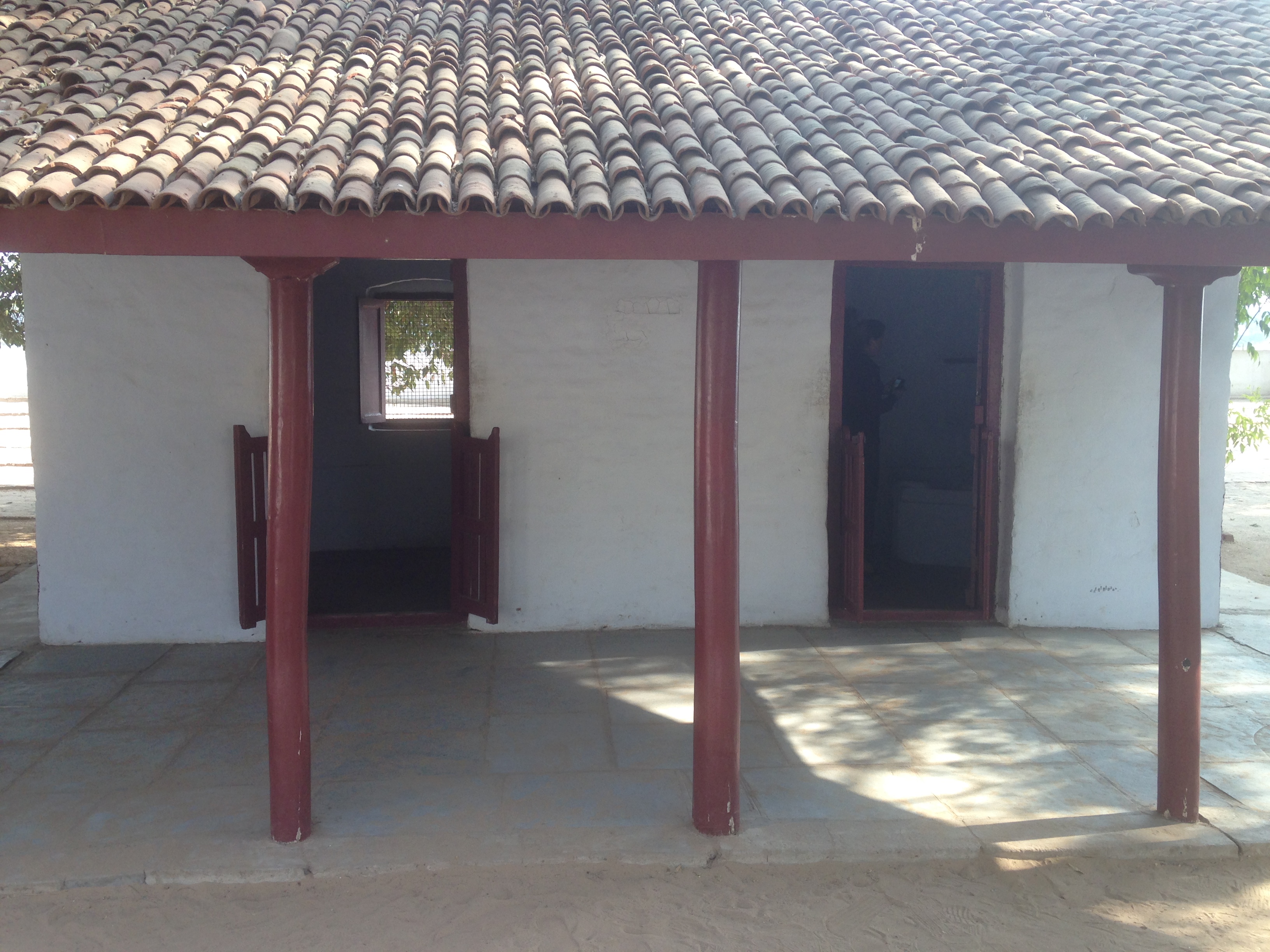
Vinoba Mira Kuti
"Vinoba/Mira Kuti," the home occupied first by Vinoba Bhave and later by Mirabehn at Sabarmati Ashram.
McLain (Photographer)

Vinoba Mira Kuti (from distance)
View of the Vinoba / Mira Kuti house at Sabarmati Ashram from in front of Hridaya Kunj.
McLain (Photographer)
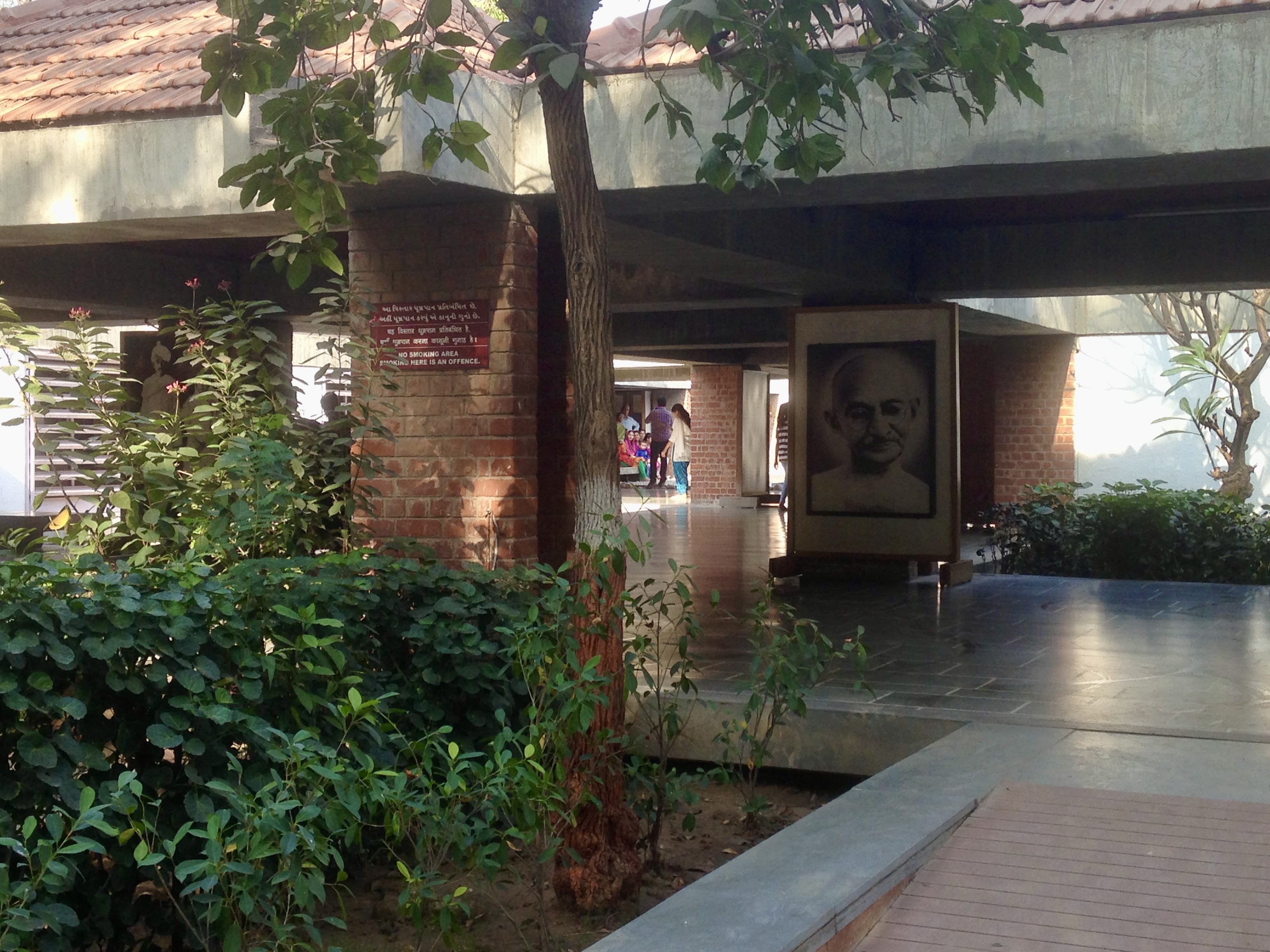
Museum at Sabarmati Ashram
The Gandhi Memorial Museum at Sabarmati Ashram. The museum was added in 1963 to memorialize Gandhi's political leadership in the anticolonial
McLain (Photographer)
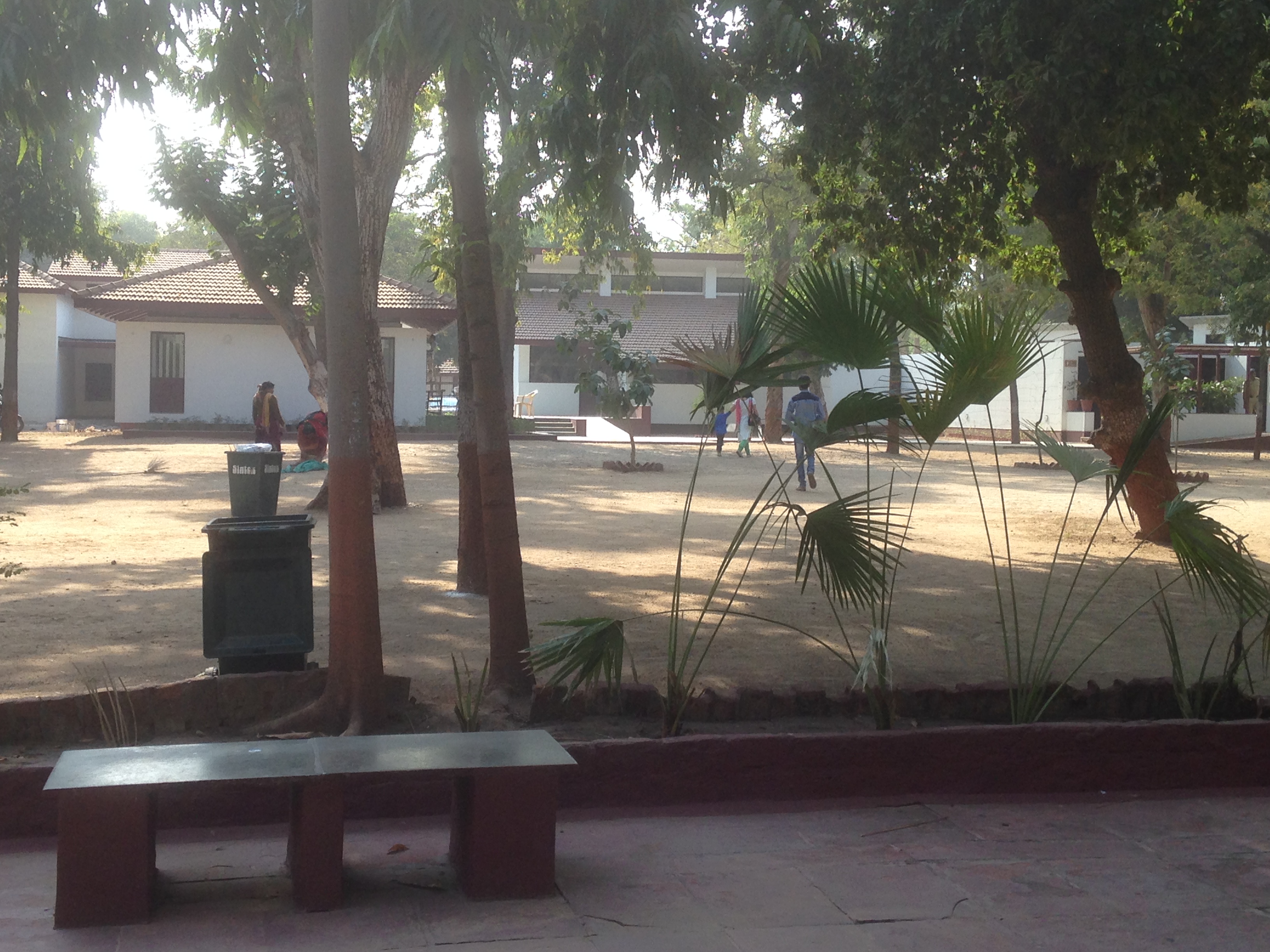
Research Center at Sabarmati Ashram
The research center at Sabarmati Ashram is an important archive for scholars that houses a collection of Gandhi's correspondence, manuscripts,
McLain (Photographer)
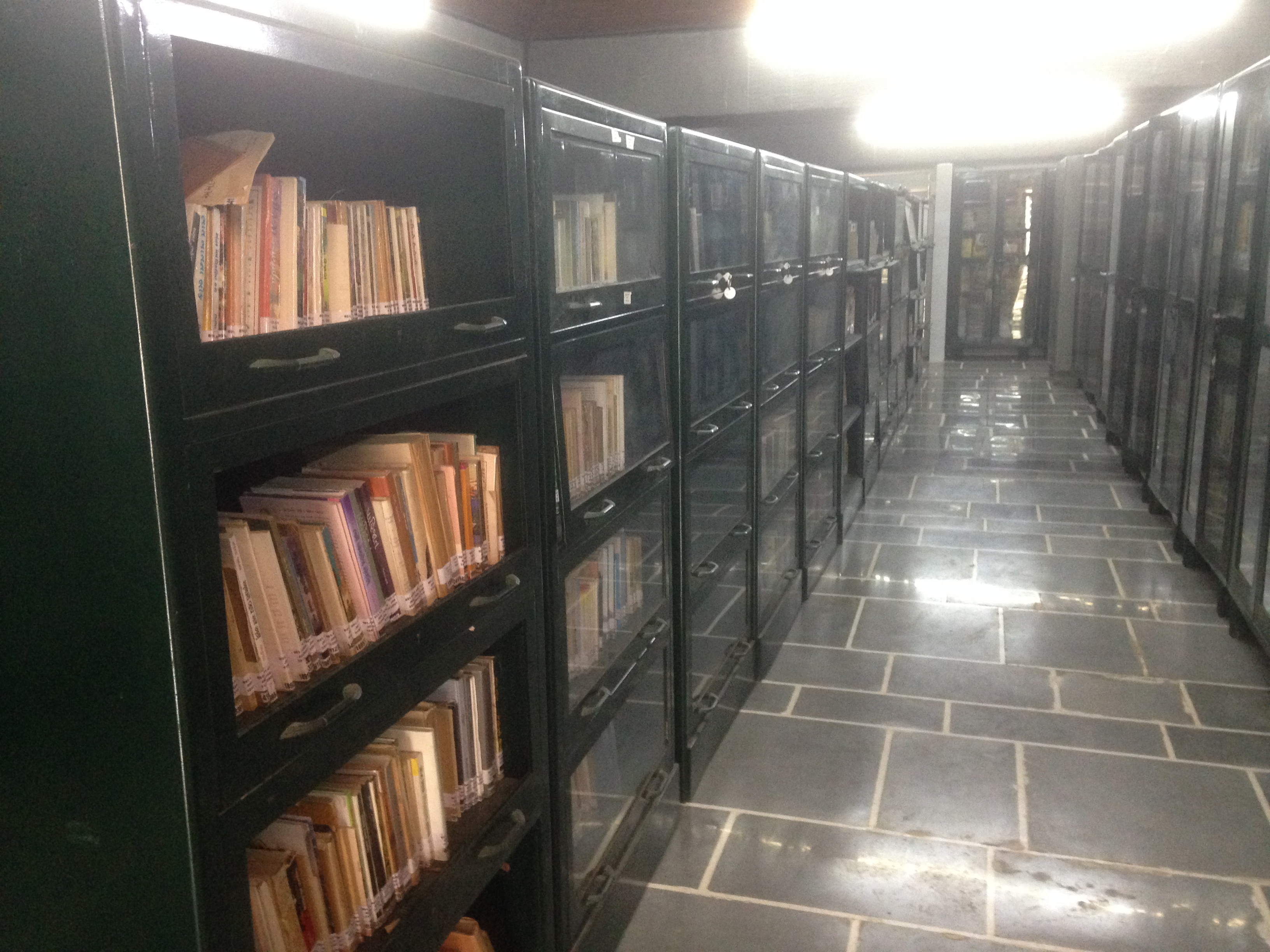
Library within the Sabarmati Ashram Research Center
The library within the Research Center at Sabarmati Ashram.
McLain (Photographer)